




Why Local Connections Matter
It’s easy to assume that any flower will do, but creating a truly effective pollinator haven requires a more thoughtful approach. Just as we have local cuisines, local pollinators have evolved alongside specific native plants. Matching local blooms to local species
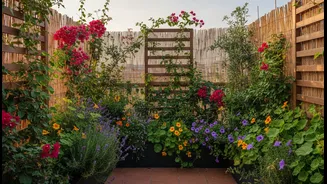
creates a more efficient and impactful habitat. Think of your balcony not as an isolated garden, but as a crucial stepping stone in a larger urban network, helping these vital creatures navigate cities. A single pot might seem insignificant, but together, these mini-habitats create a lifeline for pollinators whose natural food sources are dwindling due to urbanisation.
Meet Your Neighbourhood Pollinators
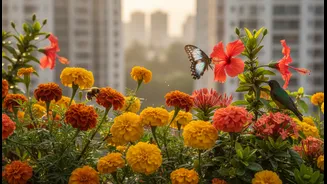
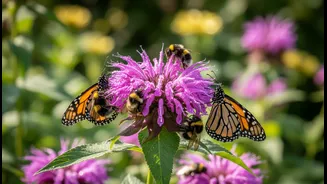
India is home to an incredible diversity of pollinators. In urban areas, you’re likely to encounter hardworking native bees like carpenter bees and tiny stingless bees, which are crucial for pollinating vegetables like tomatoes and brinjals. You'll also see a dazzling array of butterflies, from the Common Mormon and Plain Tiger to the striking Blue Mormon. And don’t forget the birds! The flash of a purple sunbird sipping nectar from a hibiscus is a common and welcome sight on many Indian balconies. By understanding who might visit, you can roll out the perfect floral welcome mat.
For Sun-Drenched Balconies
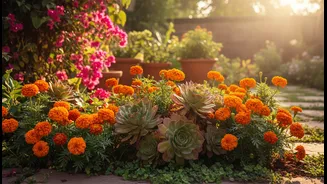
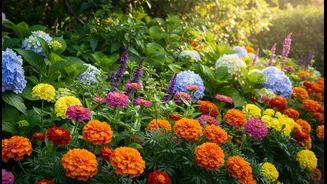
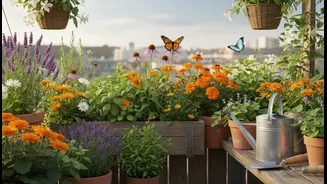
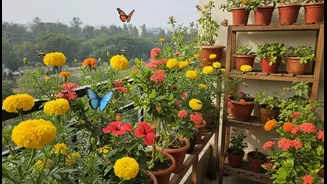
If your balcony gets plenty of direct sunlight, you have a wide array of choices to create a bright, inviting buffet. Marigolds (Genda) are a top choice, as their bright orange and yellow blossoms are nectar-rich and act as a powerful magnet for bees. Zinnias, which thrive in heat, offer a feast for butterflies with their bold, colourful blooms. For a plant that attracts both bees and butterflies, consider Pentas. Its clusters of star-shaped flowers are irresistible. Another excellent option is Vinca (Sadabahar), a low-maintenance plant that blooms profusely and attracts butterflies.
For Partially Shaded Spots
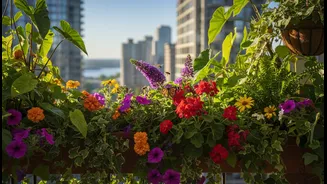
Not all balconies are bathed in sun, but that doesn't mean you can't create a pollinator paradise. Jasmine (Chameli) varieties, with their fragrant flowers, attract both insects and nectar-seeking birds, and many do well without constant direct sun. Hibiscus is another versatile choice; while it loves sun, it can tolerate some shade and its large, nectar-rich flowers are a favourite for sunbirds. Another great choice for shadier spots is Ixora, whose clustered, nectar-filled flowers are particularly attractive to sunbirds and butterflies.
The Pollinator Herb Garden
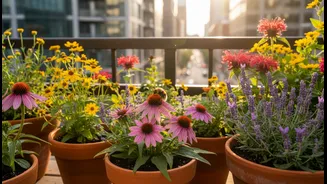
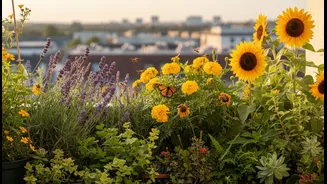
Don't overlook your herb collection; it can be a powerhouse for pollinators if you let some of the plants flower. The small blooms of Tulsi (Holy Basil) are a favourite for bees and butterflies. Mint, fennel, and coriander also become highly valuable when allowed to bolt and produce flowers, attracting a host of beneficial insects. Lavender is another fantastic addition, popular for its calming scent and its nectar-rich flowers that are especially attractive to bees. These plants do double duty, providing for your kitchen and for the local wildlife.
Beyond the Blooms: Offer a Full Service
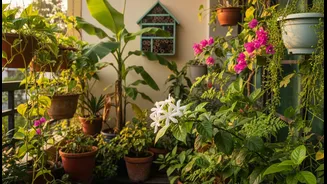
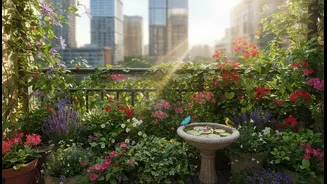
A true haven offers more than just food. Pollinators also need water and shelter. You can provide a safe drinking station by placing a shallow dish of water with pebbles or marbles in it. The stones give insects a safe place to land so they don't drown. It is also crucial to avoid chemical pesticides, which can be deadly to the creatures you're trying to attract. Opt for natural pest control methods like using neem oil. Allowing some bare branches or even adding a simple 'bee hotel' made of bamboo sticks can provide much-needed shelter and nesting spots for solitary bees.