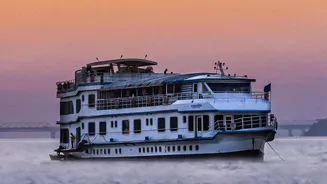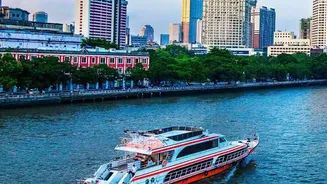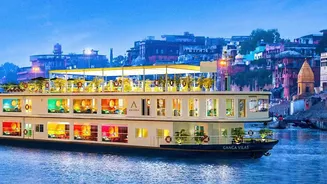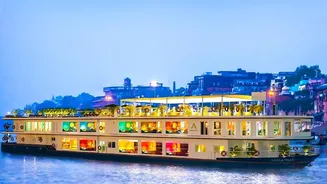

Delhi's iconic Yamuna River is poised for a transformation. A new initiative by Delhi Tourism aims to turn its waters into a recreational hub with boat rides, complete with a modern online booking system for seamless access for all residents and visitors.
A New Vision for the Yamuna
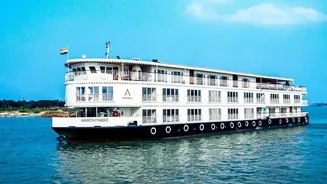
Delhi's relationship with the Yamuna is complex, but a new chapter is about to begin. The Delhi Tourism and Transportation Development Corporation (DTTDC) has announced an ambitious plan to introduce recreational boating and water sports on the river. This initiative aims to unlock the Yamuna's potential as a major tourist attraction, offering a fresh perspective on the capital city. The project's centerpiece will be a fleet of modern boats operating from a newly developed site, promising a safe and enjoyable experience for families, tourists, and locals alike. By creating accessible recreational activities, the authorities hope to foster a renewed public connection with the historic waterway, transforming it from a neglected backdrop into an active and vibrant part of city life.
What to Expect from the Rides
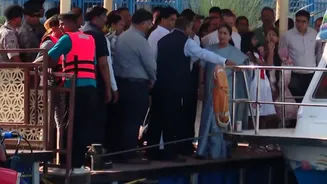
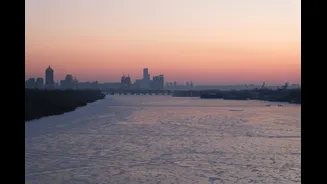
The initial phase of the project is expected to launch from the vicinity of the iconic Signature Bridge. This location provides a stunning urban backdrop, offering passengers unique and picturesque views of the city's modern architecture and skyline from the water. According to preliminary plans, the service will feature motorboats, with rides designed to last for a duration that offers a meaningful experience without being overly time-consuming. Jetties and ticketing counters are being established to ensure smooth operations. While full details on the exact routes are forthcoming, the rides will be curated to showcase the riverfront's beauty and provide a peaceful escape from the city's hustle. This offers a completely new way to experience Delhi, especially during the pleasant morning and evening hours.
Booking Your Spot Online
Perhaps the most significant aspect of this new service is its focus on convenience. Delhi Tourism plans to roll out a dedicated online portal for booking these Yamuna river rides. This move acknowledges the need for modern, hassle-free tourism solutions. Visitors will be able to check available time slots, select their preferred ride, and make payments digitally, all from the comfort of their homes. This eliminates the need to wait in long queues, making the entire experience more predictable and enjoyable. The user-friendly interface will likely be accessible via both desktop and mobile devices, ensuring that planning a trip to the Yamuna is just a few clicks away. This digital-first approach is expected to significantly boost the attraction's appeal, especially among younger audiences and tech-savvy travellers.
Part of a Broader Rejuvenation
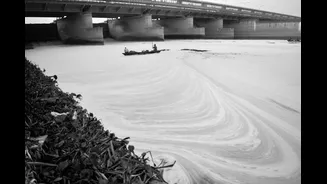
This boating project is not an isolated effort. It is a key component of a much larger vision to rejuvenate the Yamuna and its riverfront. For years, various government bodies have been working on plans to clean the river and develop its banks into public spaces. This includes creating green belts, walkways, cycling tracks, and recreational zones. The introduction of water-based activities like boating is a crucial step in this process, as it gives citizens a tangible reason to visit and engage with the river. By turning the Yamuna into a hub of activity, the project aims to create a positive feedback loop where increased public interest drives greater accountability for the river's ecological health. It's a strategy that combines recreation with conservation, aiming for a sustainable and beautiful riverfront for future generations.
What This Means for Delhiites
For the residents of Delhi, this initiative offers a welcome new option for leisure and entertainment. It provides a much needed local getaway and a chance to see the city from a different vantage point. Beyond recreation, the project is also a source of civic pride, representing a tangible effort to reclaim and celebrate a vital natural asset. For the city's tourism economy, it adds another unique attraction to its portfolio, potentially drawing in more domestic and international visitors. As the service becomes operational, it is expected to create jobs and spur local economic activity around the riverfront. It marks a shift in how the city views its natural resources, moving from passive landmarks to active, engaging experiences.