



A Hard-Won Certification
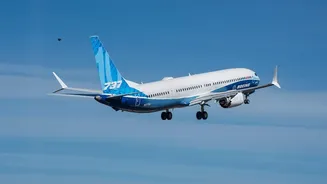
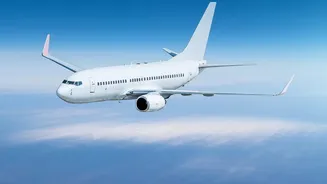
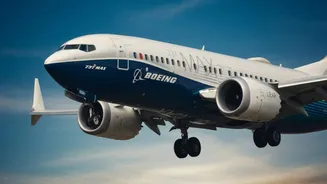
The Federal Aviation Administration (FAA) granted the amended type certificate for the 737 MAX 7 on August 3, 2026, clearing the smallest member of the MAX family for commercial service. This milestone concludes a certification process that began in 2018
and was prolonged by the intense regulatory oversight following two fatal crashes of the larger MAX 8 model in 2018 and 2019, which killed 346 people. The journey to certification was arduous, involving over 1,000 hours of flight and ground tests. Regulators required significant updates to the aircraft's flight-control software and a complete redesign of its engine anti-ice system to prevent a potential overheating hazard. FAA safety inspectors will maintain a presence at Boeing's production facilities to monitor the manufacturing process and safety culture.
The Next Hurdle: The Production Line
While the FAA's approval is a significant vote of confidence, it doesn't magically solve Boeing's ongoing production challenges. The manufacturer has been grappling with supply chain disruptions, quality control issues, and a production cap imposed by the FAA after a door plug blew out of an Alaska Airlines 737 MAX 9 in early 2024. These constraints have created a significant backlog of orders, not just for the MAX 7 but across Boeing's commercial aircraft portfolio. The company is working to ramp up its production rate but remains under close watch. Even with the certification in hand, the pace at which Boeing can safely build and deliver finished aircraft is now the primary bottleneck determining when the MAX 7 will become a common sight at airports.
Airlines in a Holding Pattern
No airline has been watching this process more closely than Southwest Airlines, the launch customer for the 737 MAX 7. The carrier has hundreds of the planes on order to replace its aging fleet of 737-700s. The certification and delivery delays have forced the airline to adjust its growth plans and fleet strategy for years. While Southwest welcomed the certification news, its schedule shows no plans to operate the aircraft before early 2027. For Southwest, the MAX 7 is crucial. The 150-seat jet is a perfect fit for thinner routes where its larger 175-seat MAX 8 is less economical. The delays have meant using larger, less efficient planes on some routes, impacting operational costs. Other major customers for the yet-to-be-certified, larger MAX 10, like United Airlines, are also facing similar strategic headaches due to Boeing's cascading delays.
What About the MAX 10?
The certification of the MAX 7 is a positive sign, but it doesn't mean the path is clear for the final variant, the 737 MAX 10. This larger model, which has also completed its certification flight tests, faced the same technical hurdles, including the engine anti-ice system redesign. Boeing anticipates the MAX 10 will also receive certification in 2026, with first deliveries slated for 2027. However, the entire MAX program's timeline has been a story of shifting goalposts. Airlines have been forced to extend leases on older, less fuel-efficient aircraft, which affects both their operating costs and environmental targets. The MAX 10 has over 1,200 orders, and those customers will be watching closely to see if the lessons learned from the MAX 7's prolonged certification can help streamline the final approval.