




The Shifting Himalayan Threat
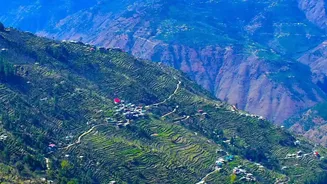
The Indian Himalayas, a region of stunning beauty and vital resources, are facing a growing threat from avalanches. These sudden, massive flows of snow, ice, and rock are a recurring natural hazard in states like Jammu & Kashmir, Himachal Pradesh, Uttarakhand,
and Arunachal Pradesh. However, climate change is amplifying this danger. Unprecedented precipitation, rapid glacier retreat, and degrading permafrost are making steep mountain slopes more unstable, leading to a higher frequency of catastrophic events. This isn't a distant problem; it has immediate consequences for communities, infrastructure like hydropower plants, and the brave soldiers stationed in these high-altitude areas. The increasing human footprint from tourism and development projects in this fragile ecosystem further escalates the risk, making proactive disaster management more crucial than ever.
The Science of Saving Lives: Forecasting and Early Warnings
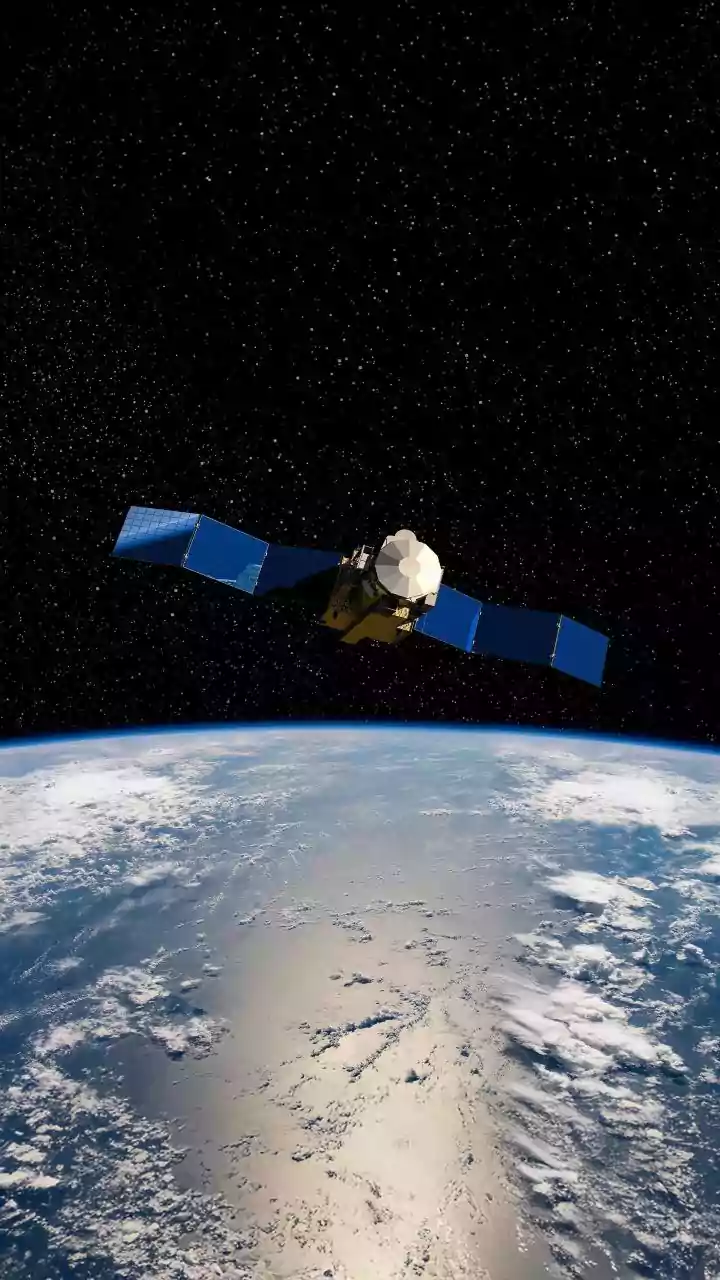
You cannot stop an avalanche, but you can predict its potential and warn people in its path. This is where science and technology become lifesavers. In India, the Defence Geoinformatics Research Establishment (DGRE), a lab under the DRDO, is the nodal agency for avalanche forecasting. Based in Chandigarh, the DGRE analyzes data from a growing network of automatic weather stations (AWS) and snow observatories across the Himalayas to issue advance warnings. These forecasts, often provided 24 hours in advance, are vital for the Army, the Border Roads Organisation (BRO), and civilian populations. Technological advancements are making these warnings even more precise. India has installed its first avalanche monitoring radar in North Sikkim, which can detect an avalanche within three seconds of its trigger, even through fog or at night, and automatically sound an alarm. These systems, coupled with machine learning algorithms and satellite imagery analysis, are revolutionizing our ability to foresee and react to danger.
From Warning to Action: The Critical Role of Evacuation
An early warning is only effective if it leads to swift action. International case studies prove that preparedness, not just the size of the hazard, determines the outcome of an avalanche disaster. A 2025 incident in Blatten, Switzerland, saw a massive avalanche bury a village but cause minimal loss of life because of continuous monitoring and clear evacuation protocols that were followed promptly. In contrast, the tragic 2021 Chamoli disaster in Uttarakhand highlighted the devastating consequences when warning signs are missed and no clear evacuation plan is in place. Experts stress that for fast-moving events like ice-rock avalanches, downstream communities might only have minutes to react. This makes having pre-planned, well-rehearsed evacuation routes and clear communication channels absolutely essential. It's this combination of detecting the threat early and having a plan to move people to safety that truly changes outcomes.
Building a Culture of Preparedness
Technology alone is not the entire solution. A culture of preparedness must be embedded within communities. The National Disaster Management Authority (NDMA) champions this approach, stating that “preparedness is the best form of mitigation.” This involves a multi-layered strategy that includes not only high-tech warning systems but also community engagement. Initiatives like public awareness campaigns, training programs, and regular drills in vulnerable villages help build local capacity to respond effectively. Simple but crucial advice, such as knowing the signs of unstable snow, understanding hazard zonation maps that mark high-risk areas, and knowing who to contact in an emergency, empowers residents and tourists alike. Non-governmental organizations like Avalanche Himalaya also play a role by providing daily forecasts and educational courses for those who venture into the backcountry. Ultimately, when communities are aware and prepared, the crucial minutes provided by an early warning system can be used effectively to save lives.