




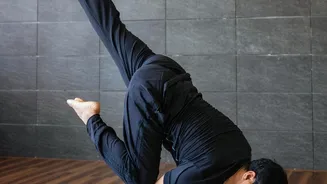
Why Your Balance Deserves Attention
Balance is the silent hero of our daily lives, an intricate dance between our brain, inner ear, eyes, and muscles. This system, known as proprioception, is our body's awareness of its position in space. Strong balance helps us walk on uneven ground, climb
stairs without stumbling, and carry groceries with confidence. As we age, this system can naturally decline, increasing the risk of falls, which are a leading cause of injury among older adults. But it's not just about fall prevention. Better balance improves athletic performance, enhances coordination for people of all ages, and is a cornerstone of maintaining independence and a high quality of life. It even boosts mental focus, as the concentration required can be a form of mindfulness.
Start with a Solid Foundation
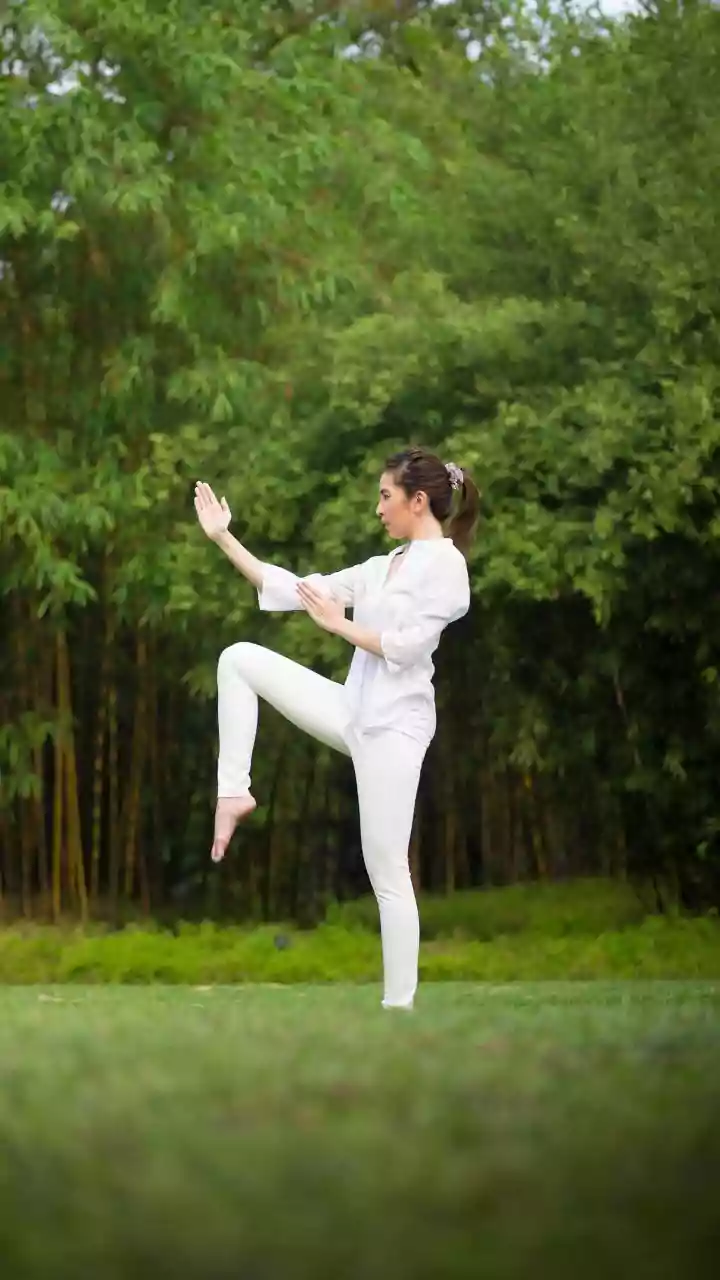
The best part about balance training is that you can start simply and safely in your own living room. The first step is to challenge your stability while standing still. Begin near a wall or a sturdy piece of furniture like a kitchen counter for support. The most fundamental exercise is the single-leg stand. While holding on for support, lift one foot off the ground and try to hold the position for 10 to 30 seconds. As you get more comfortable, you can reduce your reliance on the support. Another foundational exercise is the tandem stance, where you stand with one foot placed directly in front of the other, heel to toe, as if on a tightrope. Hold this position, focusing on keeping your body stable and upright.
Introduce Gentle, Dynamic Movement
Once you feel steady with static holds, the next step is to add movement. This challenges your body to maintain stability while shifting your centre of gravity. A great starting point is the heel-to-toe walk. In an open space, walk in a straight line by placing the heel of one foot directly in front of the toes of the other with each step. You can also try simple leg swings or kicks. Standing on one leg (with support if needed), slowly swing your free leg forward and backward, and then side to side. The key is to perform these movements slowly and with control, focusing on engaging your core muscles to keep your torso stable. These exercises mimic the dynamic adjustments you make in everyday life, like stepping off a curb.
Integrate Balance into Your Daily Routine
The most effective exercise routine is one you can stick with, and the beauty of equipment-free balance training is that you can weave it into your day. You don’t need to set aside a full hour; short, consistent practice is incredibly effective. Try standing on one leg for 30 seconds while you brush your teeth, then switch to the other leg. While waiting for water to boil or for your food to microwave, practice some heel raises or tandem stances. You can even perform sit-to-stand exercises from your chair during a commercial break; simply rise from your chair and sit back down without using your hands for support. These small, frequent challenges constantly refine the communication between your brain and muscles, making good balance second nature.