


Read the Ingredients List First
Before you even check the price, turn the package over and read the ingredients. Authentic paneer is simple: it should only contain milk and an acidic coagulant like lemon juice, vinegar, or citric acid. If you see ingredients like vegetable oil, palm
oil, starch, or milk powder, you might be looking at an 'analogue paneer'. This is a non-dairy substitute made to look like paneer but lacks the protein and nutritional value of the real thing. FSSAI regulations require such products to be clearly labelled as 'analogue' or 'imitation', so a careful read is your first line of defence.
Check the Colour and Texture
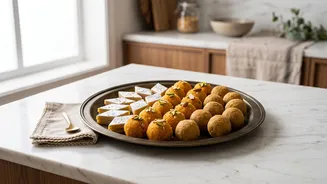
Your senses are powerful tools. Fresh, authentic paneer has a creamy, off-white colour, not a stark, bleached white. It should feel soft and moist, with a slightly crumbly or grainy texture. If you press a piece, it should be firm but yield slightly. Be wary of paneer that feels overly rubbery, dense, or unnaturally smooth. A slimy or sticky surface is a clear sign of spoilage and should be avoided.
Don't Forget the Smell Test
Fresh paneer should have a mild, pleasant, and slightly milky aroma. It should not have a strong smell. If you detect any sour, pungent, or chemical-like odour, it's a major red flag. This could indicate spoilage or the presence of unwanted additives. Trust your nose; if it smells off, it's best to leave it on the shelf.
Look for the FSSAI License Number
For any packaged food product in India, the FSSAI license number is a mark of accountability. This number indicates that the manufacturer is registered with the food safety authority. While it doesn't guarantee every single batch is perfect, its presence shows that the brand is compliant with regulatory standards. When buying packaged paneer, always check for the FSSAI logo and license number. This is a simple check that adds a layer of confidence in your purchase.
Understand the Dates and Packaging
Always check the 'manufacturing date' and the 'use-by' or 'best before' date. Paneer is a perishable product and is best consumed fresh. The packaging itself offers clues; it should be securely sealed with no leaks or puffiness, which can indicate gas buildup from spoilage. If buying loose paneer, don't hesitate to ask the vendor when it was made.
Perform Simple Purity Tests at Home
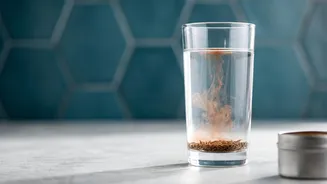
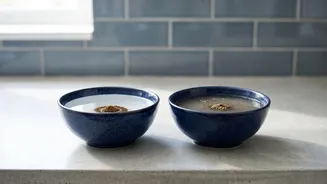
If you're still unsure about the quality of your paneer, a couple of simple home tests can help. To test for starch, a common adulterant, boil a small piece of paneer in water. Let it cool, then add a drop or two of iodine tincture. If the water turns blue or black, it indicates the presence of starch. Another method is the heat test: place a small piece on a hot pan. Real paneer will brown slightly and may crumble, while adulterated paneer might melt unevenly, turn rubbery, or release a lot of water.