



A New Philosophy for Electric Motoring
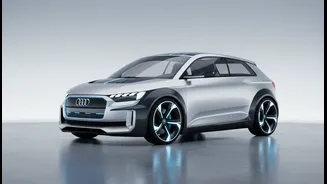
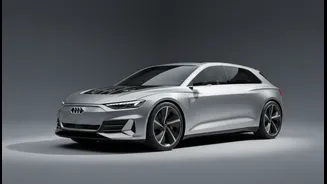
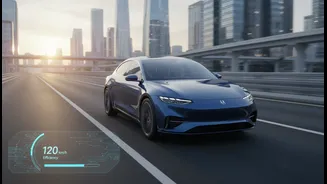
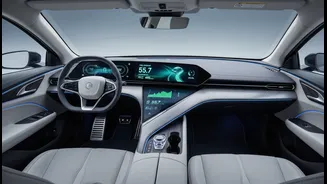
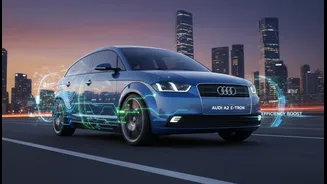
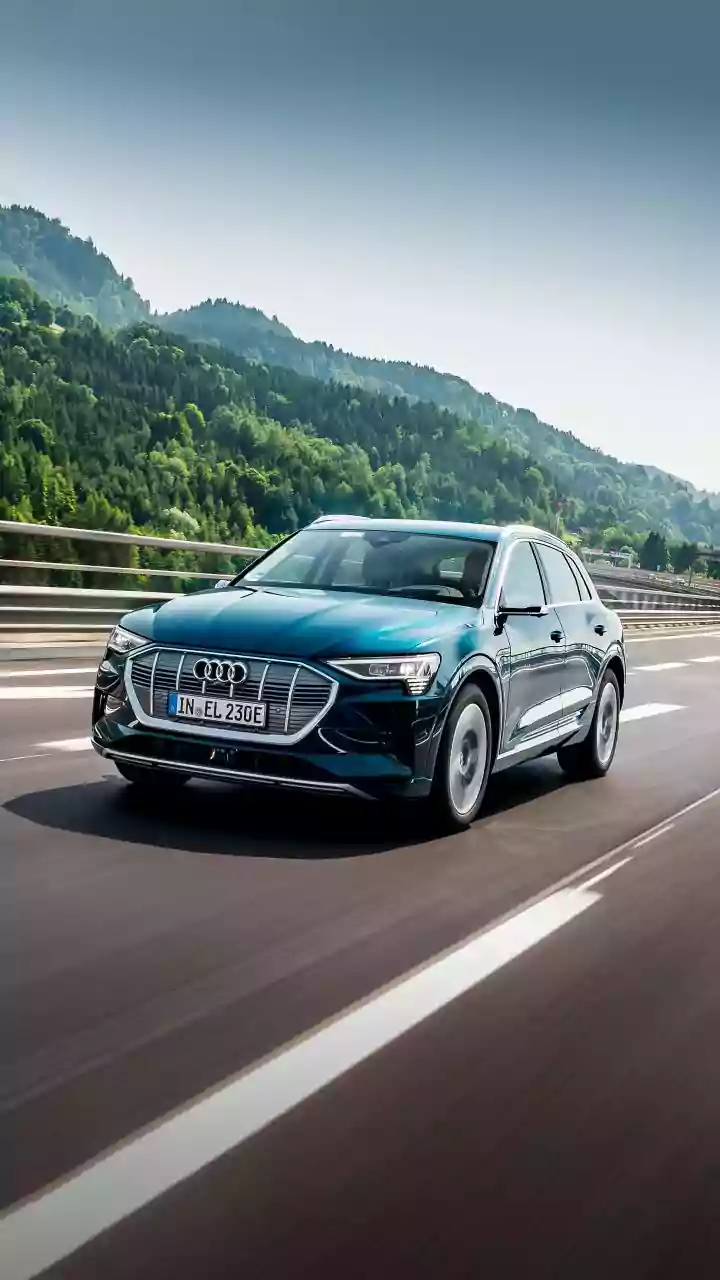
Audi has confirmed its new entry-level electric car, the A2 e-tron, will debut in the autumn of 2026. But in a departure from the usual electric vehicle playbook, the company is deliberately downplaying total range and instead championing overall efficiency.
CEO Gernot Döllner has stated the goal is to provide "electric mobility that impresses in everyday life." This suggests a strategy focused on creating a practical, usable vehicle rather than just winning the 'range war' on paper. By focusing on efficiency, Audi is signaling that the metric that truly matters is how effectively the car uses its energy, not just how large its battery is.
What 'Efficiency-First' Really Means
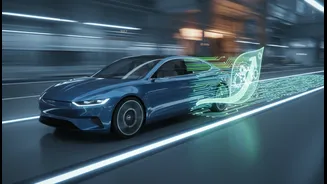
For an electric vehicle, efficiency is measured in miles or kilometers per kilowatt-hour (kWh). A more efficient car uses less energy to travel the same distance, resulting in lower running costs and a smaller environmental footprint. It's the EV equivalent of miles per gallon. This efficiency doesn't come from a single component; it's the sum of many parts working in harmony. Audi's development updates reveal a focus on advanced aerodynamics, being honed in wind tunnels at speeds of up to 300 km/h, alongside optimized thermal management and powertrain software. A lighter vehicle, better aerodynamics, and smart systems like regenerative braking all contribute to using fewer resources to get from A to B. An efficient EV can achieve a useful range with a smaller, lighter, and ultimately cheaper battery, which can lower the purchase price for consumers.
The Unspoken Range Figure
So, why the secrecy around the final range? While Audi remains tight-lipped, this move is likely strategic. The company is deep into an extensive testing program, from winter trials in Scandinavia to road tests in Bavaria, to fine-tune the vehicle's performance. Announcing a final range figure too early could set an expectation that is difficult to adjust later. More importantly, by holding back the number, Audi is forcing a change in the conversation. The company wants potential buyers and industry observers to look beyond the single metric of range and appreciate the holistic engineering involved. Recent reports based on the A2 e-tron's shared platform with the VW ID.3 Neo suggest it could feature battery options from 50 to 79 kWh, with a potential maximum range of around 630-650 kilometers, but these figures remain unconfirmed by Audi.
Echoes of an Innovative Past
The decision to focus on efficiency is a deliberate nod to the A2's heritage. The original Audi A2, produced from 1999 to 2005, was a marvel of its time, famed for its lightweight aluminum construction and obsessive focus on efficiency. One diesel variant was the first five-door car to achieve fuel consumption of under 3 liters per 100 kilometers. While a commercial success it was not, its reputation as a forward-thinking and ingeniously engineered vehicle has endured. By reviving the A2 name for an e-tron model, Audi is tapping into that legacy and promising a car that is not just electric, but intelligently and efficiently so.
A Maturing Electric Vehicle Market
Audi's strategy with the A2 e-tron reflects a broader shift in the electric vehicle market. In the early days of EVs, 'range anxiety' was a major barrier to adoption, and manufacturers competed to offer the largest possible range figures. As charging infrastructure improves and consumers become more familiar with EV ownership, the focus is slowly shifting. Efficiency, running costs, and the overall environmental impact of producing large batteries are becoming more important considerations. Audi's bet is that consumers are ready for a more nuanced conversation—one where the smartest car isn't necessarily the one with the biggest battery, but the one that does the most with the energy it has. The A2 e-tron is poised to be the first major test of that theory.