




The Sobering Statistics
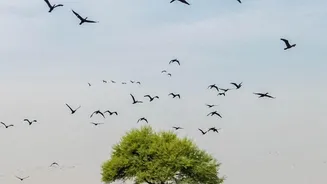
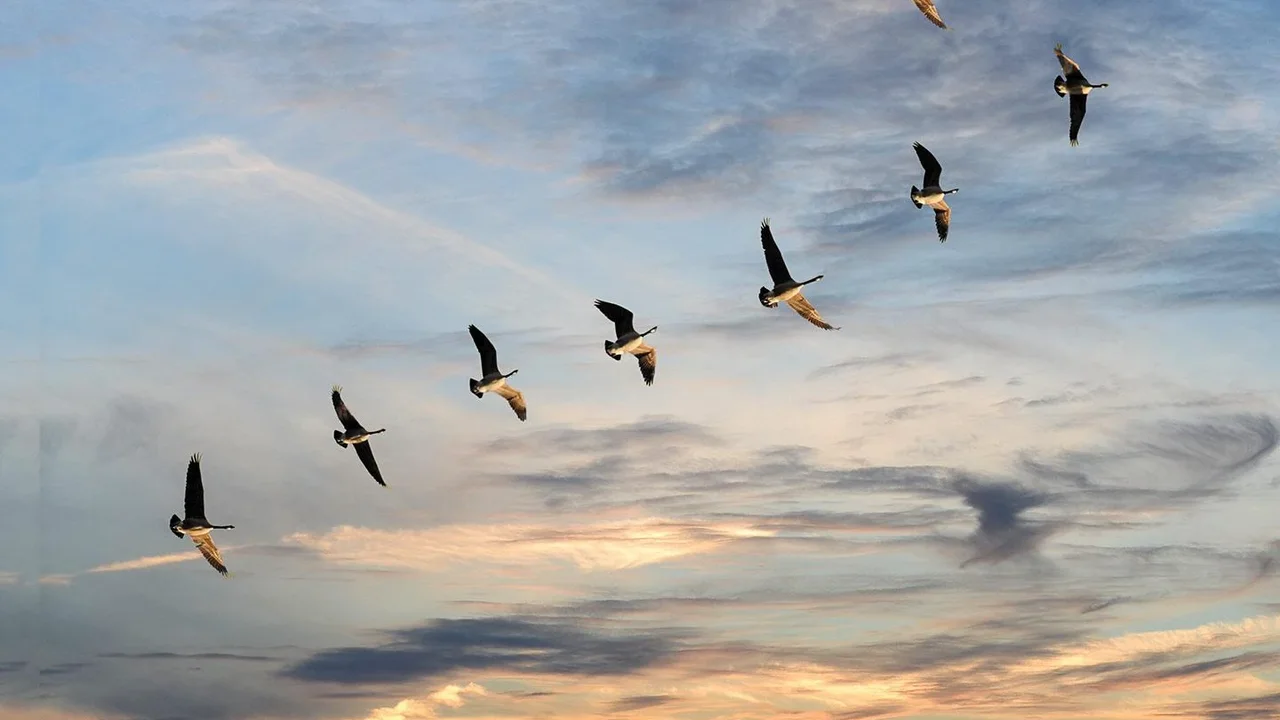
Recent global studies have delivered a troubling verdict on the health of our planet's migratory birds. A comprehensive review, synthesizing data from researchers worldwide, found that approximately 51% of migratory bird species are experiencing population
declines. This isn't limited to rare or exotic species; many once-common birds are also vanishing at an alarming rate. The United Nations has echoed these concerns, with reports highlighting that nearly half of all migratory species, not just birds, are declining. For birds specifically, long-distance migrants, such as those that travel from the Arctic to India, are among the hardest hit, with some populations having fallen by over 50%. This widespread trend suggests that the threats they face are systemic and span across their entire migratory routes, known as flyways.
Why Their Numbers Are Dwindling
The decline is not due to a single cause but a relentless combination of human-driven pressures. Habitat loss stands out as the primary threat. Wetlands are drained for agriculture and urban expansion, grasslands are converted, and coastal areas are developed, leaving birds with fewer safe places to rest and feed. This fragmentation is critical; the loss of even one key stopover site in a long migratory chain can have devastating consequences for an entire population. Furthermore, pollution from plastics and agricultural pesticides poisons their food and water sources. Climate change acts as a threat amplifier, altering migration timings, weather patterns, and the availability of food, creating a mismatch between the birds' arrival and the resources they need to survive and breed.
The View from India
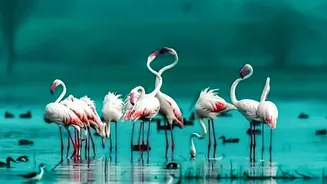
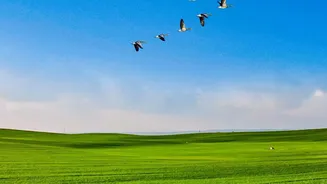
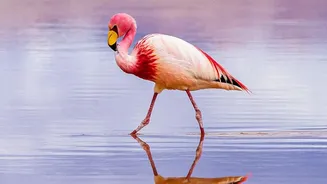
India plays a crucial role in this global drama, sitting at the heart of the Central Asian Flyway (CAF), a superhighway for over 600 migratory species travelling between Eurasia and the Indian subcontinent. From the bar-headed geese in the north to the flamingos in Gujarat, these birds are an integral part of our ecological and cultural heritage. However, reports indicate a worrying downward trend here as well. The State of India's Birds 2023 report found that long-distance migratory birds have declined most steeply. Arctic-breeding shorebirds, for instance, have seen population drops of nearly 80%. Iconic species like the Siberian Crane have already all but vanished from their former wintering grounds in the country. The degradation of vital wetlands like those along the Yamuna and in Kerala, due to pollution and encroachment, directly impacts these visitors.
More Than Just Birds
The disappearance of migratory birds is more than just an aesthetic loss; it's a critical warning about the health of our ecosystems. These birds are vital ecological actors. They are pollinators, they control insect and pest populations, and they disperse seeds, helping to maintain forest and plant health. As indicator species, their decline signals broader environmental problems that affect water quality, food chains, and ultimately, human well-being. Their journeys connect continents, cultures, and economies, and their struggle for survival is a reflection of our own planet's struggle to maintain its delicate balance. The silence in our skies is a direct measure of the stress we are placing on the natural world.
A Path to Recovery
The situation is urgent, but not without hope. Because migratory birds cross dozens of countries, reversing their decline requires unprecedented international cooperation. India has recognised this by launching a National Action Plan for the Conservation of Migratory Birds along the Central Asian Flyway. Conservation successes, such as in Nagaland where communities transformed the Amur falcon's hunting grounds into a protected haven, show that local action can have a global impact. Protecting and restoring critical habitats like wetlands, reducing pesticide use, and mitigating the impacts of infrastructure like power lines are crucial steps. Citizen science initiatives, where ordinary people help track bird populations, are also providing invaluable data to guide these efforts.