




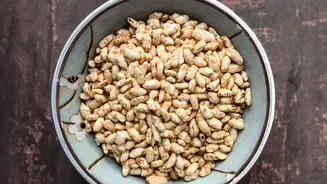
The Royal Grain: What is Amaranth?
Amaranth isn't a true cereal grain like wheat or oats but a 'pseudocereal'. Its name comes from the Greek for 'unfading', a nod to its resilient nature. In India, amaranth is widely known as 'rajgira', which translates to 'royal grain' or 'the king's
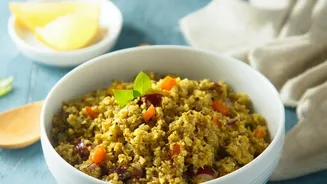
grain', and also as 'ramdana', or 'God's own grain'. It has been cultivated for thousands of years, tracing its roots back to ancient Aztec, Mayan, and Incan civilizations. Often used during religious fasting periods like Navaratri, when traditional grains are avoided, rajgira holds both cultural and spiritual significance. This tiny, gluten-free powerhouse has a pleasant nutty and earthy flavour, making it a versatile ingredient in the kitchen.
A Nutritional Powerhouse
Amaranth's reputation as a superfood is well-deserved. It's packed with high-quality protein, providing all nine essential amino acids, including lysine, which is often lacking in other grains. This makes it a complete protein and an excellent choice for anyone on a plant-forward diet. It's also an incredible source of essential minerals. A single serving of cooked amaranth delivers a significant amount of your daily needs for manganese, which is crucial for brain function, as well as magnesium, phosphorus, and iron. The high fibre content aids in digestion, promotes a feeling of fullness to help with weight management, and supports overall gut health. Being naturally gluten-free, it is a safe and healthy option for those with celiac disease or gluten sensitivity.
How to Cook Perfect Amaranth Porridge
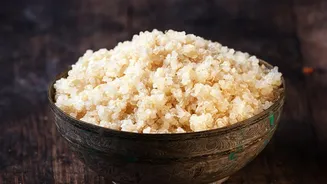
Cooking amaranth for a porridge-like consistency is simple, but it requires a bit more attention than oats. The key is the right liquid ratio and frequent stirring. A good starting point is a 1-to-3 ratio of amaranth to liquid (e.g., 1/2 cup amaranth to 1 1/2 cups water or milk). First, bring your liquid to a boil in a small saucepan. Add the amaranth, reduce the heat to a low simmer, and cover the pot. Let it cook for about 20-25 minutes. It's important to stir frequently, especially towards the end of the cooking time, to prevent it from sticking to the bottom of the pan and to develop a creamy texture. The amaranth is ready when it's tender and has absorbed most of the liquid. Don't be surprised if the seeds retain a slight 'pop' or crunch even when fully cooked.
Recipe: Amaranth and Date Breakfast Bowl
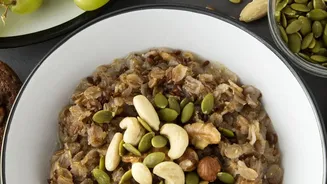
This recipe yields two servings and combines the earthy taste of amaranth with the caramel-like sweetness of dates. Ingredients: - 1/2 cup amaranth grains - 1 1/2 cups water - 1/2 cup milk of your choice (dairy or plant-based) - 4-5 pitted and chopped dates - 1/4 teaspoon cinnamon powder - A pinch of salt Instructions: 1. In a small saucepan, combine the amaranth, water, and salt. Bring the mixture to a rolling boil. 2. Reduce the heat to low, cover, and let it simmer. Cook for about 20 minutes, stirring occasionally. 3. Add the chopped dates, cinnamon, and milk to the saucepan. Stir well to combine. 4. Continue to simmer for another 5-10 minutes, stirring more frequently now, until the porridge is thick, creamy, and the amaranth is tender. 5. Remove from the heat and let it sit for a few minutes; it will thicken further as it cools. Serve warm in bowls.
Customise Your Bowl
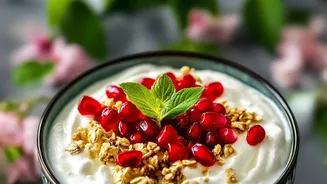
The beauty of this breakfast bowl lies in its versatility. Use the base recipe as a canvas and get creative with your toppings. For extra creaminess, stir in a spoonful of coconut milk or yogurt at the end. A drizzle of honey or maple syrup can add a touch more sweetness if desired. For texture and healthy fats, top your bowl with a handful of toasted almonds, walnuts, or pecans. Sprinkle on some seeds like chia, flax, or pumpkin for an extra nutritional boost. Fresh fruits like sliced bananas, berries, or stewed apples also make for a delicious and vibrant addition, adding natural sweetness and vitamins.