



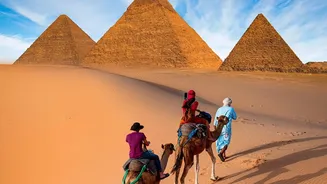

Beyond Giza: The Pyramids of Dahshur
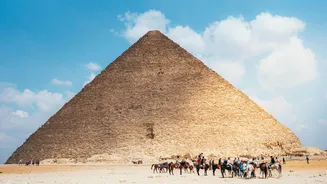
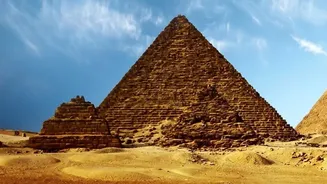
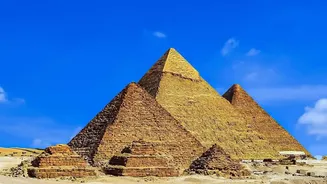
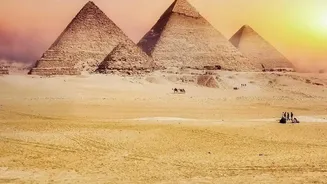
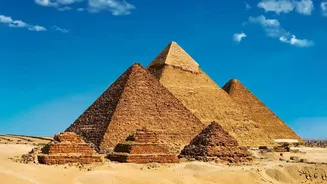
The Pyramids of Giza are monumental, but the nearby Dahshur necropolis offers a sense of discovery without the crowds. This is where pyramid-building techniques were perfected. You can witness this evolution firsthand with the Bent Pyramid, a fascinating
example of early architectural challenges, and the Red Pyramid. The Red Pyramid is the first successful true smooth-sided pyramid and is considered a direct predecessor to the Great Pyramid of Giza. Unlike the bustling Giza plateau, Dahshur is often quiet, allowing you to explore the interiors of these massive structures in relative peace. The experience of descending into the Red Pyramid's chambers, often with few other visitors, provides a far more intimate connection to the world of the pharaohs. It's a chance to see not just the final masterpiece, but the ambitious and brilliant process that led there.
From Karnak to Dendera & Abydos
Luxor's Karnak and Luxor Temples are breathtaking, but a day trip north offers a look at some of the best-preserved temples in all of Egypt: Dendera and Abydos. The Temple of Hathor at Dendera is famous for its stunningly preserved ceilings, which retain much of their vibrant, original colour. Its astronomical ceiling, intricate carvings of the goddess Hathor, and accessible crypts offer a different experience from the more open-air ruins in Luxor. Further north lies Abydos, a sacred pilgrimage site dedicated to the god Osiris. The Temple of Seti I here contains some of the most artistically refined and detailed reliefs in the country, including the famous Abydos King List, a stone-carved record of Egypt's pharaohs. Visiting these two sites in a single, long day trip from Luxor is a popular and rewarding journey into the art and religion of ancient Egypt, far from the main tour bus routes.
A Different Nile: The Temples of Lake Nasser
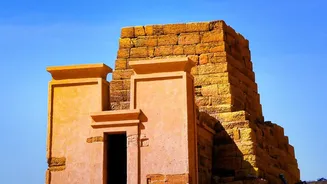
While Aswan’s Philae Temple is a jewel, it is also one of the most visited sites in southern Egypt. For a quieter, but equally moving experience, consider the temples relocated to the shores of Lake Nasser. The Kalabsha Temple, dedicated to the Nubian god Mandulis, is the largest free-standing temple in Nubia. Like Abu Simbel, it was meticulously dismantled and moved to save it from the rising waters caused by the Aswan High Dam. Today it sits peacefully on an island, offering magnificent views. Because it requires a separate trip from the main Aswan sites, it receives far fewer visitors. You can often explore its impressive pylon, colonnaded court, and sanctuary with a sense of quiet contemplation that is harder to find at more popular landmarks.
The Desert Escape: Siwa Oasis
For a complete change of pace from the Nile Valley, the remote Siwa Oasis offers a unique blend of history, culture, and natural beauty. Located deep in the Western Desert, this isolated settlement has maintained its own distinct Amazigh culture and language. The journey is long, which naturally filters out mass tourism and preserves the oasis's tranquil character. Here, you can explore the mud-brick ruins of the 13th-century Shali Fortress, swim in the hyper-saline salt lakes where you float effortlessly, and visit the Temple of the Oracle, where Alexander the Great was famously declared a son of Zeus-Amun. It's an experience that feels worlds away from the monumental temples and tombs, offering a glimpse into a different facet of Egypt's vast and varied landscape.