






The High Price of a Single Number
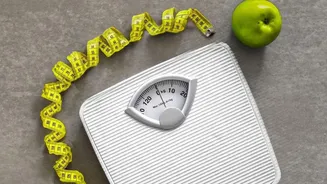
In a world dominated by social media and diet culture, it's easy to believe that self-worth is tied to body size. This pressure fuels an intense focus on weight loss, often leading to restrictive diets and punishing exercise routines. While the intention
might be to improve health, this narrow approach can backfire. The constant monitoring of food, calories, and the number on the scale can spiral into obsessive patterns, creating anxiety around social events and taking the joy out of daily life. This cycle of restriction and guilt doesn't just impact happiness; it can set the stage for more serious mental and physical health issues.
Signs Your Goals Have Become Unhealthy
What starts as a positive resolution can become harmful when the pursuit of weight loss overshadows everything else. Key warning signs include obsessive thoughts about food and body shape, where your self-esteem is dictated by the scale. This can lead to increased anxiety, mood swings, and even depression. Physically, your body may protest. Extreme dieting can cause chronic fatigue, dizziness, hair loss, and digestive problems. Another major red flag is losing weight too quickly (more than one to two pounds per week), which often means you're losing valuable muscle mass and water, not just fat. This actually slows down your metabolism, making long-term health harder to maintain.
Beyond the Scale: A Holistic Approach
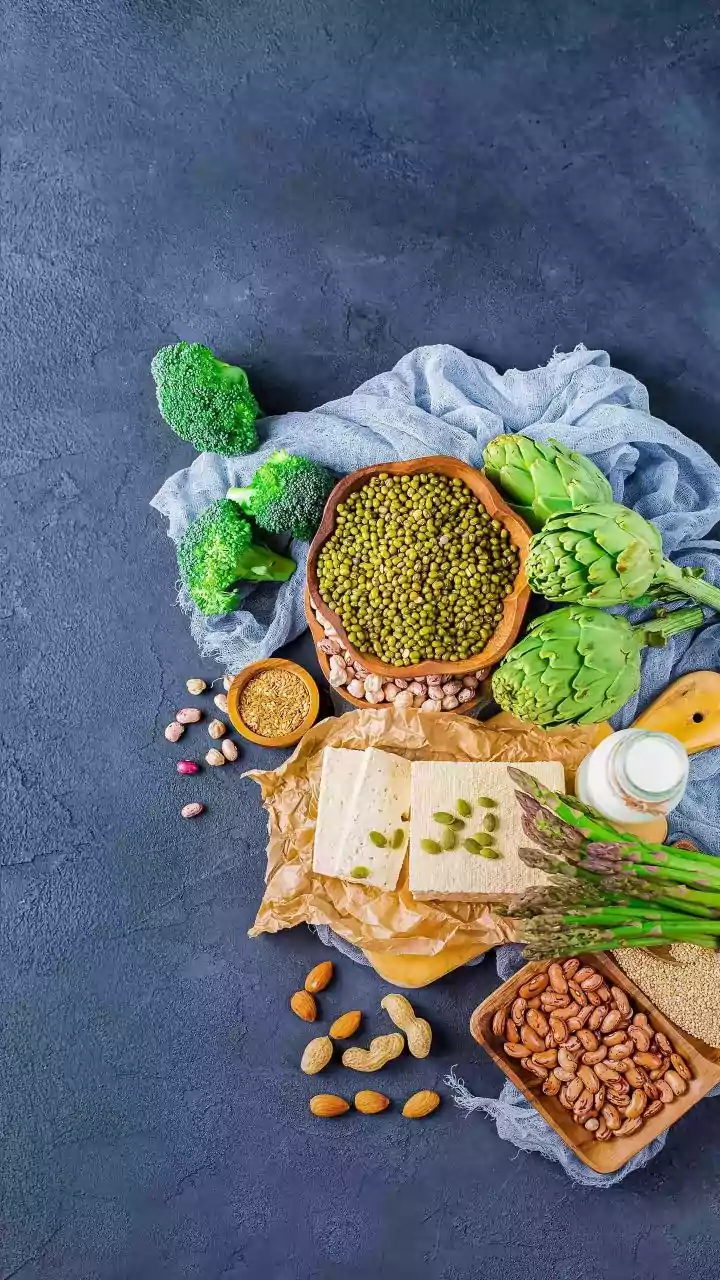
True health is about more than just weight. A holistic approach considers the whole person—your physical, mental, and emotional state. Instead of asking, "How much do I weigh?" it encourages you to ask, "How do I feel?" This perspective shifts the focus from restriction to nourishment and balance. Health isn't an isolated issue; it's interconnected with stress levels, sleep quality, hormonal balance, and daily habits. When these systems are functioning well, a healthy weight often follows as a natural outcome, not as the primary, stress-inducing goal. This approach, sometimes called "Health at Every Size" (HAES), prioritizes sustainable health-promoting behaviours over a fixation on weight loss.
How to Set Healthier, Smarter Goals
To build a truly healthy lifestyle, it’s time to redefine what success looks like. Instead of a target weight, try setting performance-based goals. These could include running a 5K, holding a plank for a minute, or simply being able to walk up a flight of stairs without feeling breathless. Focus on tangible actions you can control, like eating five servings of vegetables a day, drinking enough water, or getting seven to eight hours of sleep per night. You can also aim for consistency, such as exercising three times a week, rather than pushing for perfection and burning out. Celebrating these non-scale victories—like having more energy, feeling stronger, or improving your mood—reinforces positive habits and builds momentum for the long term.