






Steel-Cut, Rolled, Instant: What's the Difference?
All oats start as whole oat groats. The difference lies in the processing. Imagine the groat as a whole grain of rice. Steel-cut oats, also called Irish oats, are simply the groats chopped into two or three pieces with steel blades. This minimal processing leaves
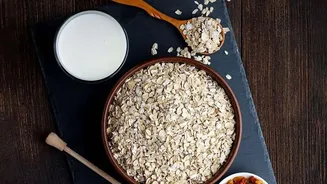
them with a firm, chewy texture and a nutty flavour. Rolled oats, or old-fashioned oats, are steamed and then flattened by rollers. This process gives them a larger surface area, so they cook faster. Instant oats are rolled even thinner and are often pre-cooked, making them the quickest to prepare but also the most processed. While the basic nutrition in terms of calories, protein, and overall fibre is very similar across all plain oats, the way your body digests them is where the real difference lies.
The Fibre Story: More Than Just a Number
Oats are famous for their fibre, but not all fibre is the same. They contain a mix of insoluble and soluble fibre. Insoluble fibre adds bulk and helps keep your digestive system regular. The star player in oats, however, is a specific soluble fibre called beta-glucan. When you eat oats, this beta-glucan dissolves in your gut to form a thick, gel-like substance. This gel is what’s responsible for many of the health benefits associated with oats. Because steel-cut oats are less processed, their structure remains more intact. This means it takes your body longer to break them down, leading to a slower release of nutrients and energy.
Real Benefits, Not Miracles
The “hype” around oats often involves grand claims, but the science points to a few solid benefits, largely thanks to beta-glucan. First is heart health. This soluble fibre has been shown to help lower LDL or "bad" cholesterol by essentially trapping cholesterol in the digestive tract and removing it from the body. Second is blood sugar management. Because steel-cut oats are digested slowly, they have a lower glycemic index (around 42-53) compared to rolled oats (around 57) and especially instant oats (which can be over 80). This means they cause a slower, more gradual rise in blood sugar instead of a sharp spike, which is beneficial for sustained energy and for individuals managing blood sugar levels. Finally, that gel-like substance helps you feel fuller for longer, which can aid in weight management by reducing the urge to snack between meals.
Making Steel-Cut Oats Work for You
The biggest drawback of steel-cut oats is their cooking time—typically 20-30 minutes of simmering on the stovetop. For busy mornings, this can be a deal-breaker. However, there are simple ways to manage this. One popular method is to batch-cook. Make a large pot over the weekend and store it in the fridge for up to a week. You can then scoop out a serving each morning and reheat it in the microwave. Another trick is to soak the oats overnight. Simply bring water to a boil, add your oats, let them cook for one minute, then turn off the heat, cover the pot, and let them sit on the stove overnight. In the morning, they’ll just need a few minutes to heat through. This makes a creamy, ready-to-go breakfast.
The 'Balanced' Part Is Non-Negotiable
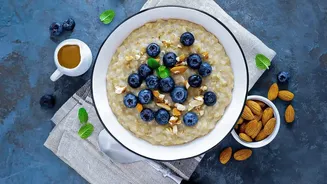
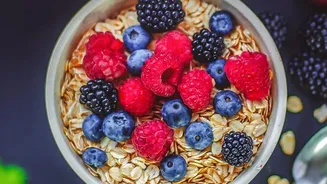
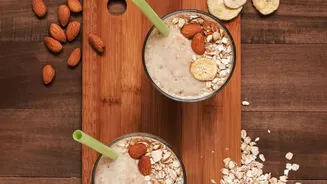
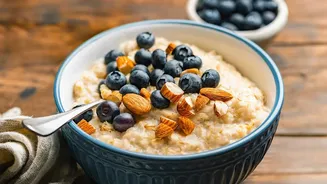
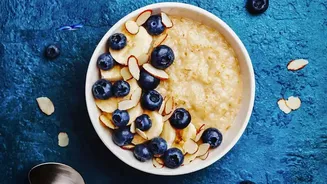
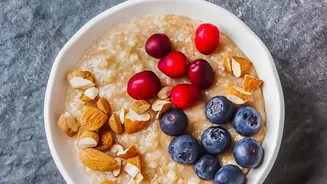
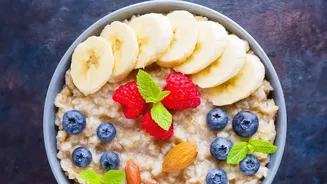
A bowl of steel-cut oats is a fantastic start, but it's not a complete meal on its own. The word “balanced” in a balanced breakfast is key. Many of the benefits of oats can be undone by loading your bowl with brown sugar, honey, or other sweeteners. Instead, focus on toppings that add nutritional value. Boost the protein and healthy fats with a spoonful of nut butter, a sprinkle of chia seeds or hemp hearts, or a handful of walnuts. Add natural sweetness and extra vitamins with fresh fruit like berries, sliced banana, or grated apple. For a savoury twist inspired by Indian breakfasts, try cooking them with turmeric, cumin, and a pinch of black pepper, then topping with fresh coriander and perhaps some toasted seeds. The oats provide the fibrous foundation, but the additions are what make it a truly balanced and satisfying meal.