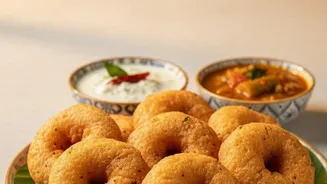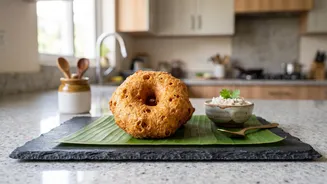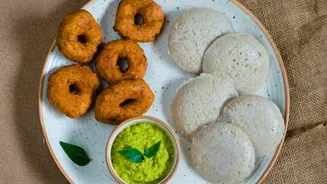

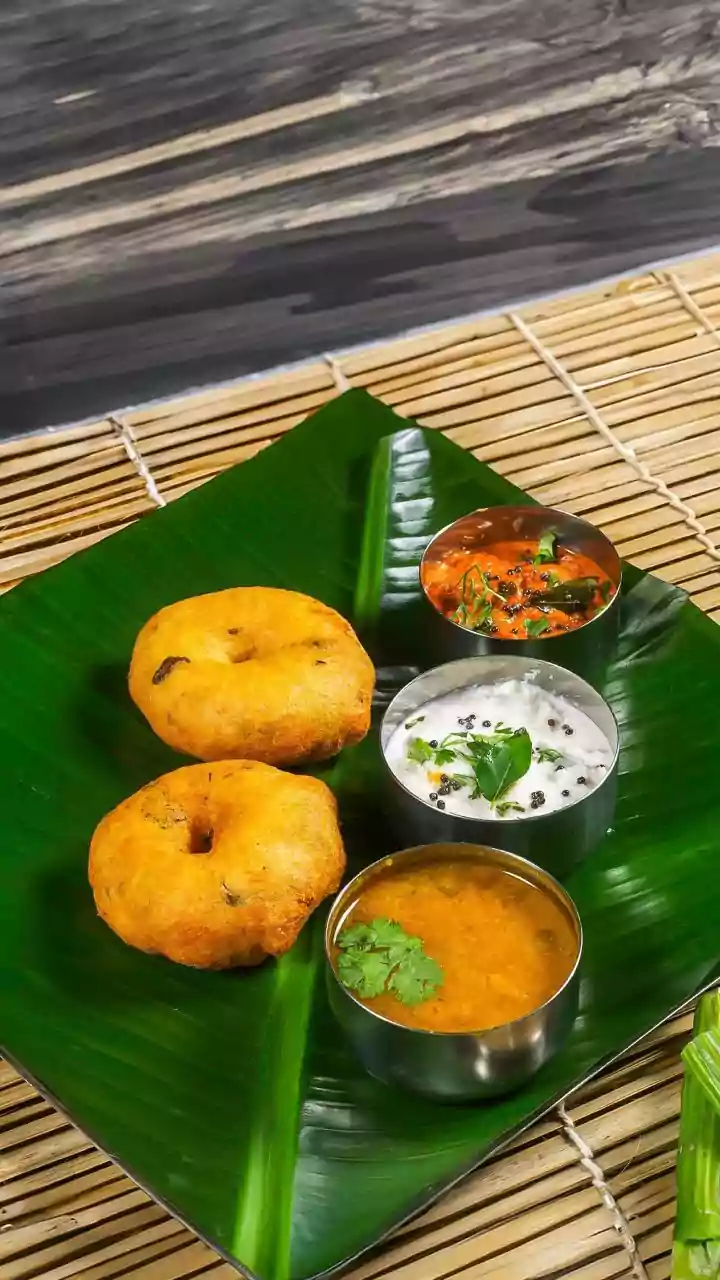

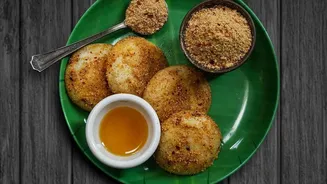
The perfect medu vada—crispy on the outside, impossibly fluffy within—is a South Indian breakfast icon. Its secret lies not just in the frying, but in the heart of its batter: urad dal. This humble lentil is the key to that signature texture.
The Magic of Urad Dal
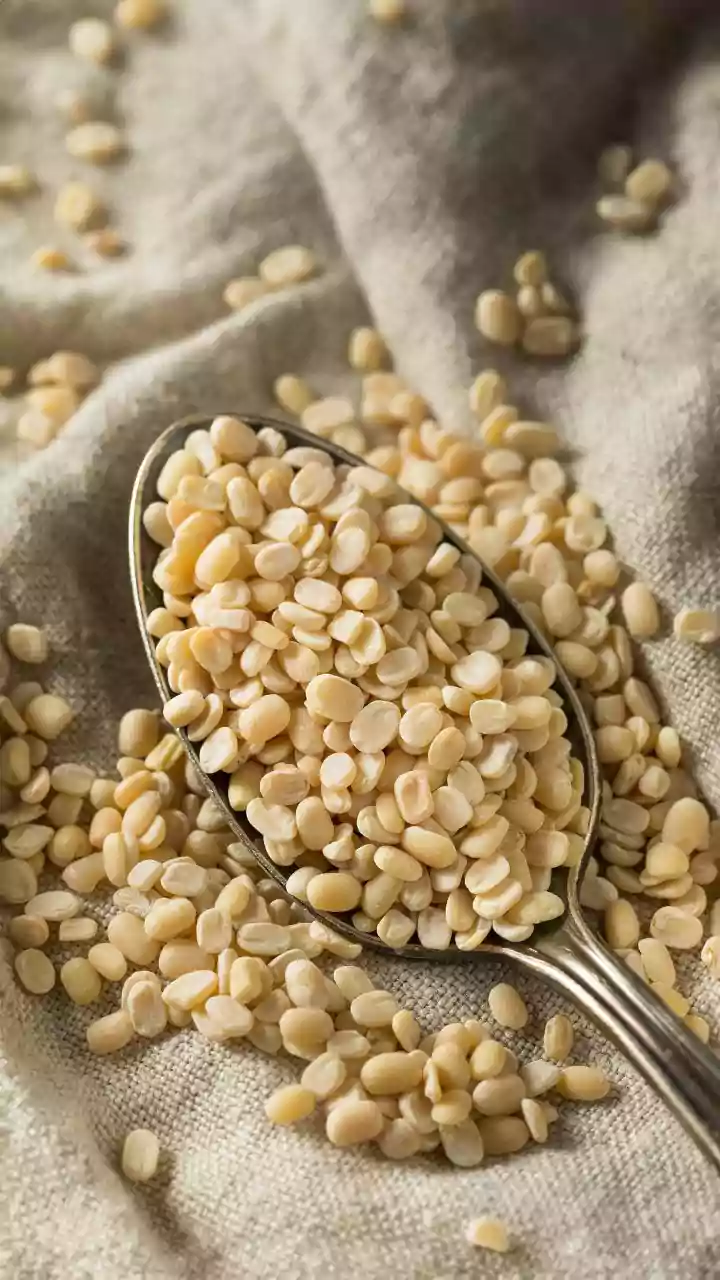
Urad dal,
or split and skinned black gram, is the undisputed star of the vada. Unlike other lentils, it possesses unique properties that make it perfect for creating a light, airy batter. It is packed with protein, around 24 grams per 100 grams, which contributes to its structure. When soaked and ground, its mucilaginous proteins create a sticky, stretchy quality. This allows the batter to trap air, which is essential for achieving the vada's characteristic fluffiness. This high protein content also means vadas are quite satisfying, keeping you energised for hours.
Soaking and Grinding: The First Steps
The journey to a perfect vada begins with soaking. Rinsing the urad dal thoroughly a few times is a crucial first step to remove any surface powder. Then, the dal should be soaked in ample water for at least four to five hours. Soaking not only softens the dal for grinding but also initiates the process that leads to a lighter batter. When it is time to grind, it is essential to use as little water as possible; many seasoned cooks recommend using ice-cold water. This prevents the grinder from heating up, which can make the vadas hard. The goal is a thick, smooth, and fluffy paste. If the batter becomes runny, it will absorb too much oil during frying.
Aeration: The Secret to a Fluffy Vada
Once ground, the batter needs one more critical step: aeration. This is traditionally done by hand, beating the batter in a circular motion for several minutes. This process incorporates air into the thick paste, making it lighter and ensuring the vadas puff up beautifully when fried. A simple test confirms if the batter is ready: drop a small dollop into a bowl of water. If it floats, it's perfectly aerated and light enough for frying. This step is the difference between a dense, heavy vada and one that is delightfully soft and spongy on the inside. Basic seasonings like chopped green chillies, ginger, curry leaves, and crushed black peppercorns can be stirred in just before frying.
The Perfect Pairings: Sambar and Chutney
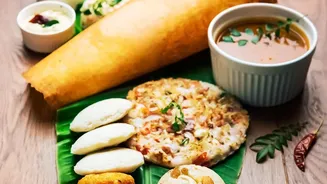
A vada is rarely served alone. Its most iconic companion is sambar, a tangy and spicy lentil and vegetable stew. When hot vadas are dunked into sambar, they absorb the flavourful liquid like a sponge, becoming soft and succulent. This dish, known as sambar vada, is a beloved breakfast item across South India. Alongside sambar, coconut chutney is a classic accompaniment. Made by blending fresh or grated coconut with green chillies, ginger, and sometimes a little roasted chana dal, it provides a cool, fresh counterpoint to the hot, savoury vada. The chutney is often finished with a tempering (tadka) of mustard seeds, curry leaves, and dried red chilli fried in oil, which adds another layer of aroma and flavour.
Exploring Other Chutney Varieties
While classic coconut chutney reigns supreme, vadas are versatile enough to pair with a wide array of chutneys. For a spicier kick, a tomato-based 'kara chutney' made with onions, garlic, and fiery red chillies is a popular choice. Mint chutney offers a refreshing, cool contrast, while a nutty peanut chutney brings a different kind of richness and texture. Some even enjoy a sweet and tangy tamarind and date chutney, which cuts through the richness of the fried vada beautifully. The best pairing often comes down to personal preference, balancing the savoury fritter with tangy, spicy, or fresh flavours.