
A Sudden Reminder at 37,000 Feet
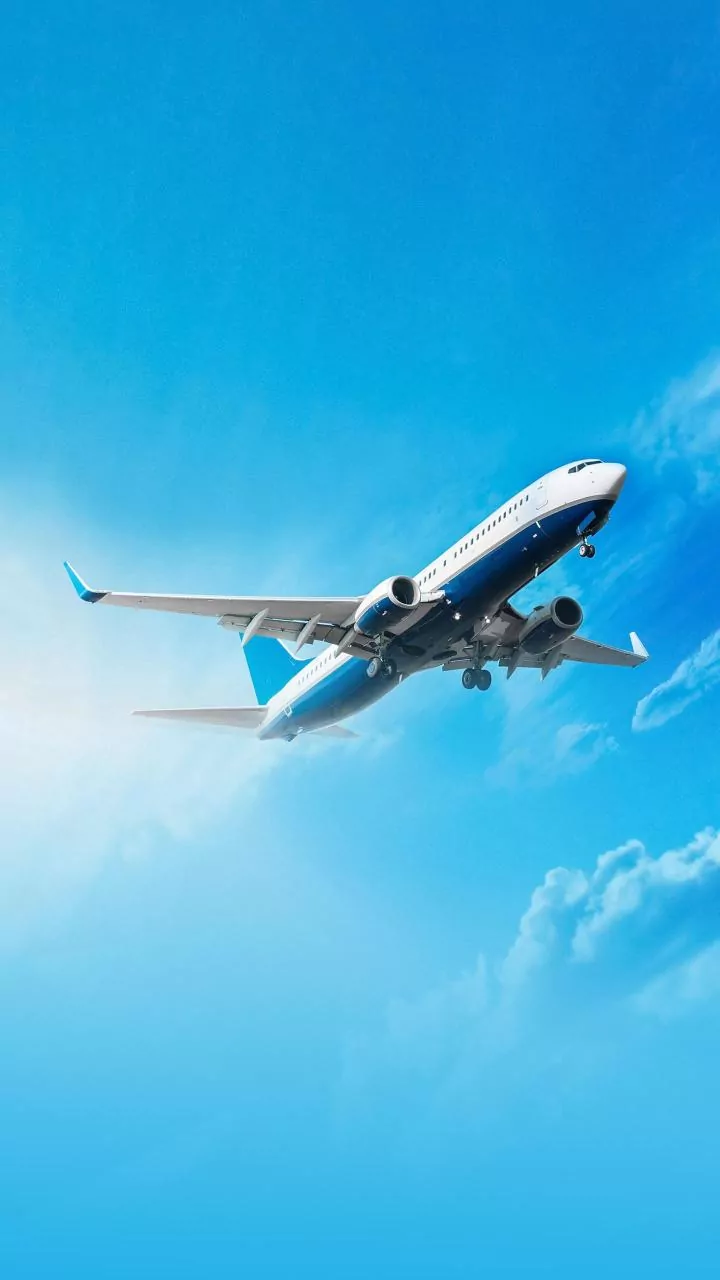
On August 4, 2026, passengers on an Air India flight from Phuket to Delhi experienced a harrowing few moments that underscored the unpredictable nature of air travel. While at cruising altitude, the Airbus A320neo encountered severe turbulence, causing
a sudden drop of approximately 300 feet. The violent jolt resulted in injuries to 17 people, including passengers and cabin crew, who were met by medical teams upon landing safely in Delhi. Incidents like this, and a similar severe event on a Singapore Airlines flight in May 2024 that resulted in a fatality and numerous serious injuries, serve as powerful, real-world case studies for a simple truth: turbulence can strike without warning, and the consequences are felt most by those who are not secured.
The Invisible Threat: Clear-Air Turbulence
While many passengers associate turbulence with stormy weather and flashing lightning, the most insidious form often occurs in perfectly clear skies. It’s called Clear-Air Turbulence, or CAT, and it is the primary reason flight crews advise keeping your seatbelt fastened even when the sign is off. CAT is created by the clash of air masses moving at different speeds, often near high-altitude jet streams. Unlike turbulence from thunderstorms, which pilots can detect with onboard weather radar, CAT is invisible to radar and the naked eye. It can happen suddenly and violently, catching everyone by surprise. This unpredictability is precisely why a loosely fastened seatbelt is your best and only defense when seated.
Why Seatbelts Are a Non-Negotiable Lifesaver
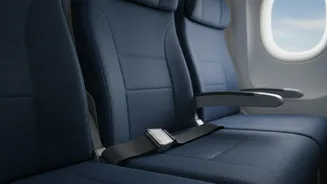
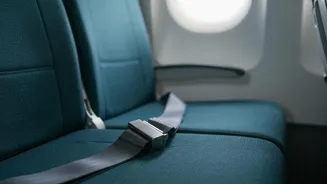
The data is overwhelmingly clear. According to the Federal Aviation Administration (FAA), turbulence is the leading cause of non-fatal injuries in commercial aviation, and the vast majority of these injuries are sustained by passengers who are not wearing their seatbelts. During a severe turbulence event, an aircraft can experience abrupt vertical movements. To an unbuckled passenger, this is like the floor suddenly dropping out from under them, launching them upwards into the cabin ceiling with significant force. A simple lap belt is engineered to distribute these forces across the strongest part of your body—your pelvis—anchoring you to your seat and preventing you from becoming a projectile. This not only protects you but also the people around you.
What Pilots See and What They Don't
Pilots are not flying blind. Modern aircraft are equipped with sophisticated weather radar to navigate around storms and areas of known convective turbulence. They also rely on a constant flow of information, including detailed weather forecasts, data from other aircraft, and pilot reports (PIREPs) that share real-time conditions. If a flight ahead of them reports turbulence at a certain altitude, your pilots can request to climb or descend to find a smoother layer of air. However, as effective as these tools are, they cannot reliably predict Clear-Air Turbulence. This fundamental limitation of current technology is why the ultimate responsibility for personal safety during a sudden jolt falls back to the passenger and their seatbelt.
Your Simple In-Flight Safety Plan
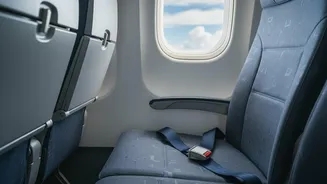
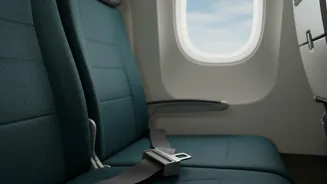
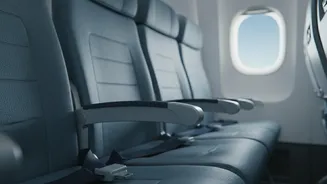
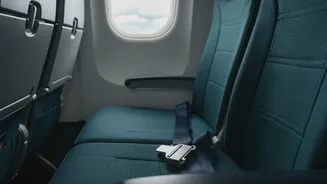
Understanding the risk makes the solution simple and straightforward. The single most effective action you can take to protect yourself from turbulence-related injury is to keep your seatbelt fastened whenever you are in your seat. The FAA requires it during taxi, takeoff, and landing, and anytime the seatbelt sign is illuminated, but safety experts and flight crews universally recommend keeping it on throughout the flight. You don’t need to have it uncomfortably tight; a loosely secured belt is far better than no belt at all. If you are traveling with children under two, the safest place for them is in a government-approved child seat, not on your lap. By following these simple steps, you can significantly mitigate the primary risk associated with the otherwise normal phenomenon of turbulence.