





Identify the Intruders
Before you can defend your pantry, it helps to know what you are up against. In most Indian kitchens, the primary culprits are small insects like rice weevils, flour beetles, and Indian meal moths. Weevils are tiny beetles with a distinctive snout, often
found inside whole grains like rice and wheat. Flour beetles are small, reddish-brown insects that contaminate flour, cereals, and spices. You might notice them leaving a disagreeable odour in infested goods. Indian meal moths are the most obvious, as you may see the small, two-toned moths flying around your kitchen. However, the real damage is done by their larvae, which look like tiny caterpillars. These larvae spin silky webs as they feed on grains, nuts, dried fruits, and even chocolate, contaminating everything they touch.
Build an Airtight Fortress
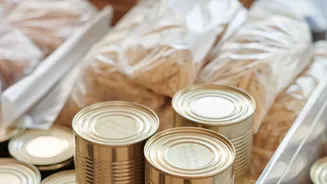
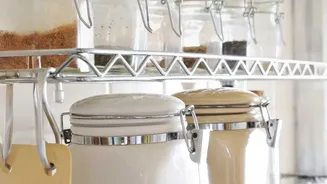
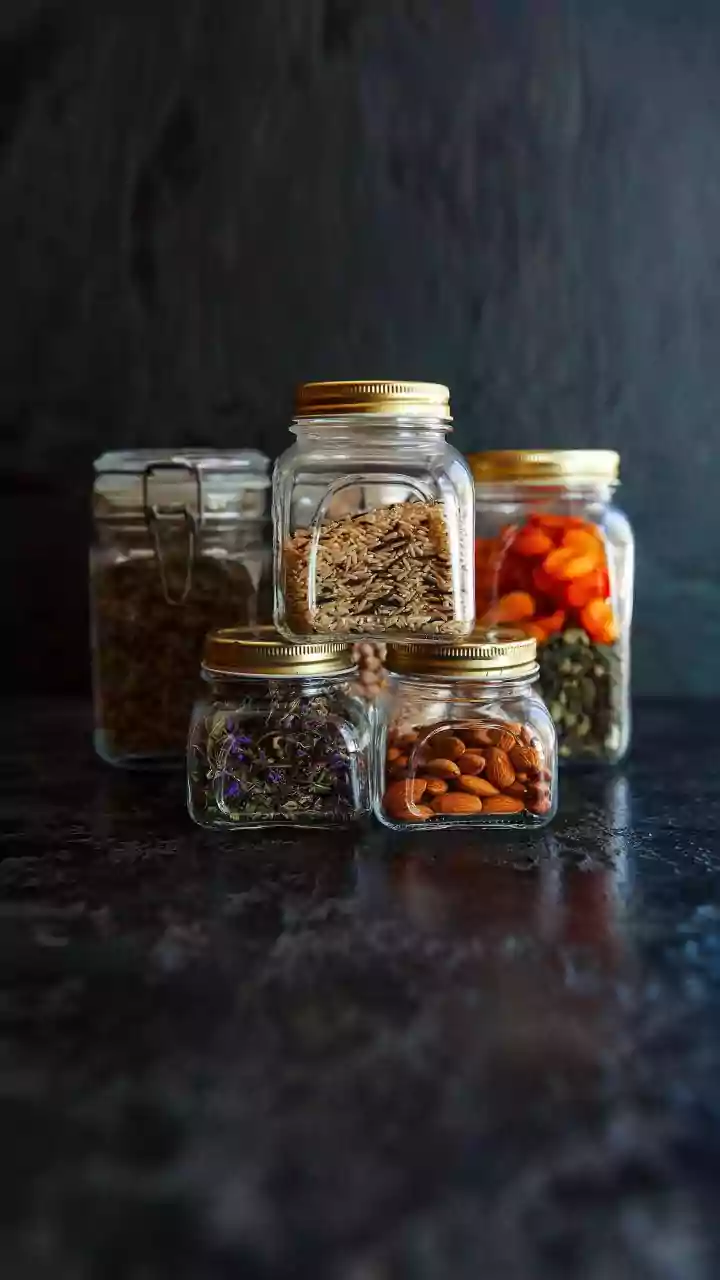
The single most effective step in preventing pantry pests is to take away their access to food. Most pests arrive in your home as unnoticed eggs or larvae in packaged goods from the store. Their cardboard boxes and thin plastic bags are no match for a determined insect larva. This is where airtight containers become your first line of defence. Transfer dry goods like flour, rice, dal, spices, sugar, and snacks into containers made of glass or high-quality, BPA-free plastic. Look for lids with a silicone seal, as these provide the best barrier against air, moisture, and pests. Transparent containers have the added benefit of letting you see the contents at a glance and spot any potential issues early. This simple act of decanting new groceries immediately breaks the life cycle of pests that may have hitched a ride into your home.
The Importance of a Dry, Clean Space
Pests thrive on two things: food and moisture. Crumbs from a leaky packet of biscuits or a fine dusting of flour on a shelf are an open invitation. A dry environment, on the other hand, is inhospitable to many insects. Make it a habit to wipe up spills immediately. Your pantry shelves should be kept completely dry. This is why it is crucial to ensure containers are 100% dry after washing and before refilling. Moisture can lead to mould, which is another attractant for secondary pests. A dry, crumb-free pantry is an unappealing environment for any bug looking for a home.
Your Pantry Cleaning Checklist
A regular cleaning routine is essential for pest prevention. Aim for a deep clean every few months. First, empty the pantry completely. This is the only way to inspect every corner. As you take items out, check for any signs of infestation, like webbing or visible bugs, and check expiration dates. Discard any contaminated or expired products immediately. Next, use a vacuum cleaner with a nozzle attachment to thoroughly remove all crumbs and dust from shelves, corners, and crevices where eggs can hide. After vacuuming, wipe down all surfaces. A simple solution of warm water and mild dish soap is effective and food-safe. A mixture of equal parts white vinegar and water also works well as a cleaning agent. Let the shelves dry completely before you start putting items back.
Smart Storage and Shopping Habits
Beyond containers and cleaning, a few smart habits can make a big difference. When you bring new groceries home, inspect the packaging for any tiny holes or tears before storing them. Practice the 'First-In, First-Out' (FIFO) method: place newer items at the back of the pantry and move older ones to the front so you use them first. This prevents items from being forgotten in a dark corner for months, where infestations can begin unnoticed. Try to buy dry goods in quantities you will use within a few months. For extra protection, especially with items like flour, you can place the new package in the freezer for four days to kill any potential eggs before transferring it to your airtight container.
Natural Repellents for Added Protection
For an extra layer of defence, certain natural scents are known to repel pantry pests. Bay leaves are a classic remedy; their pungent aroma is disliked by moths, weevils, and roaches. Simply place a few dried bay leaves on your pantry shelves or even drop one directly into your containers of flour or rice. Whole cloves and cinnamon sticks can also be effective. You can place them in small sachets or scatter them in the corners of your cupboards. While these natural repellents will not eliminate an existing infestation, they work as a wonderful deterrent, encouraging pests to look elsewhere for their next meal.