




Tokyo's Tremendous Risk
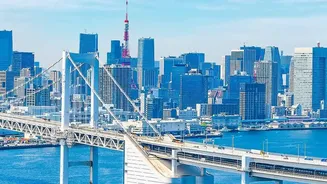
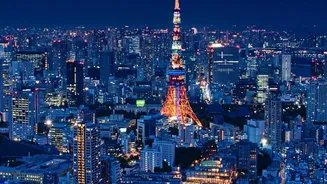
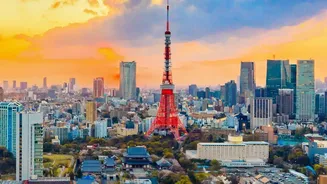
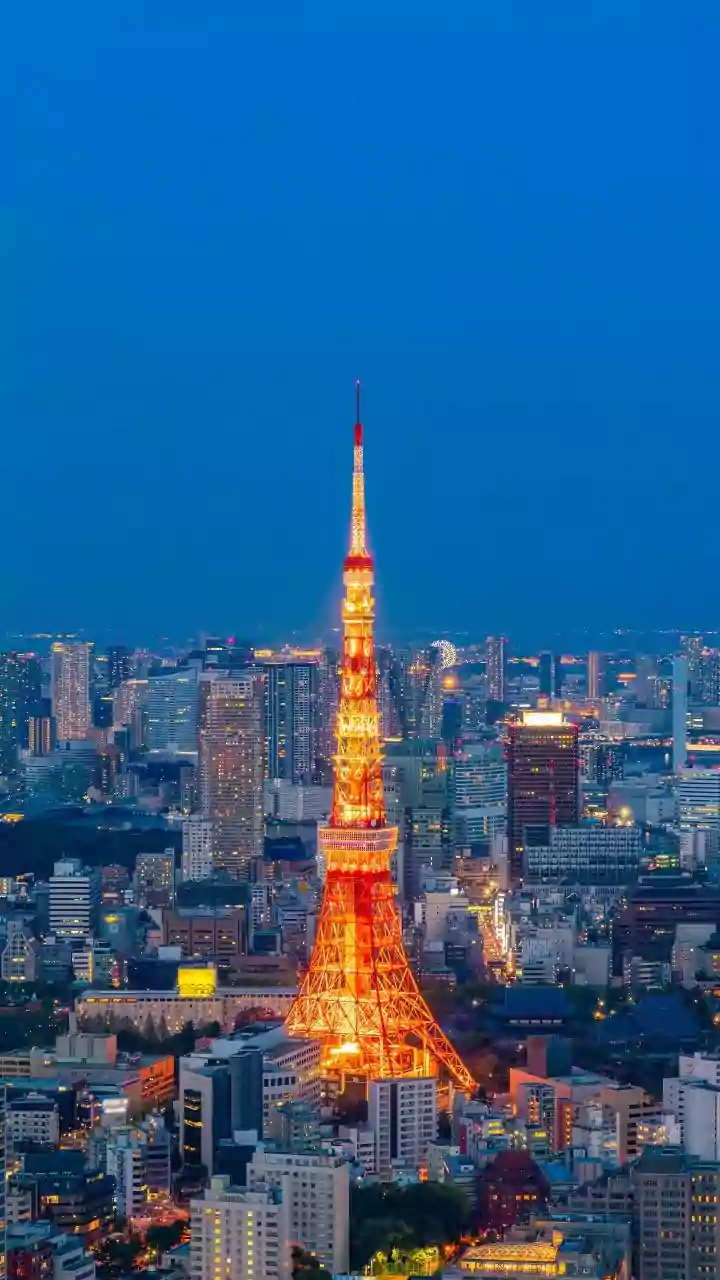
The Japanese government has a stark warning for its capital: there is a roughly 70% chance that a major earthquake of magnitude 7 or higher will strike the Tokyo metropolitan area within the next 30 years. The city is a marvel of modern engineering, but
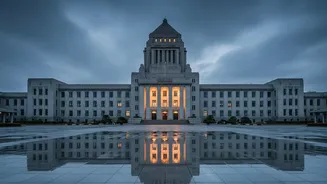
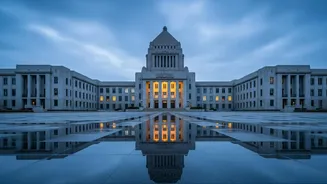
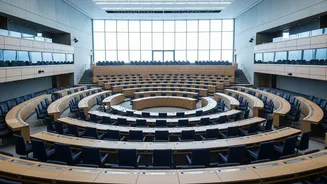
the sheer concentration of people, political power, and economic might in one place presents an immense vulnerability. The Prime Minister's Office, the national parliament, central government ministries, and the headquarters of global financial institutions are all clustered in Tokyo. A catastrophic event could not only cause widespread destruction and loss of life but also paralyze the entire nation's ability to function and send shockwaves through the global economy. Recognizing this, the government recently revised its disaster preparedness plan, aiming to halve the estimated 18,000 deaths and 400,000 destroyed buildings from such a quake through measures like installing seismic circuit breakers.
The 'Second Capital' Solution
In response to this existential threat, Japan's parliament passed a law in July 2026 creating a legal framework to designate a 'second capital'. The idea, which has been debated for decades, is to have one or more cities ready to take over key government and administrative functions if Tokyo is incapacitated. This backup hub would ensure the continuity of government during a national emergency. The plan is not just about disaster recovery; it's also seen by proponents as a way to decentralize the country, correcting what many see as an 'overconcentration' of power and economic activity in Tokyo and revitalizing other regions. The new law authorizes the Prime Minister to designate a location based on criteria like infrastructure, population, and, crucially, a low probability of being affected by the same disaster that hits Tokyo.
The Race to Be the Backup
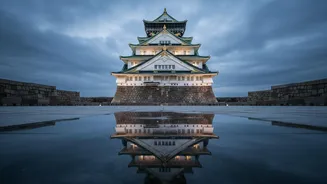
The passage of the law immediately triggered a competition among several major cities. The governors of Osaka, Fukuoka, Aichi, and Hokkaido have all expressed interest in their regions being designated. Osaka is widely considered the frontrunner. As Japan's second-largest metropolitan area, it already possesses significant infrastructure, a powerful economy, major universities, and an international airport. The plan has strong political backing from the Osaka-based Japan Innovation Party (JIP), a key coalition partner in the national government, which sees the designation as a way to boost the region's prominence. Other contenders like Fukuoka and Aichi (home to Nagoya) are also making their case, highlighting their own economic strengths and strategic locations.
Politics and Practical Hurdles
Despite the clear need for a contingency plan, the path to a second capital is fraught with challenges. The bill passed the upper house of parliament by a razor-thin margin, highlighting deep political divisions. Opponents criticize the plan as expensive, rushed, and politically motivated, suggesting it unfairly favours Osaka due to the JIP's influence. There are also logistical complexities. Some have pointed out that Osaka itself is vulnerable to earthquakes, and a major event could potentially strike both Tokyo and Osaka simultaneously. Furthermore, there is the immense cost and bureaucratic inertia that have stalled similar proposals in the past. Previous discussions in the 1990s about relocating capital functions went nowhere due to financial constraints and resistance within the government. Determining how to divide functions between Tokyo and a new hub, both in normal times and during a crisis, remains a significant unresolved question.