







The Illusion of the Stockpile
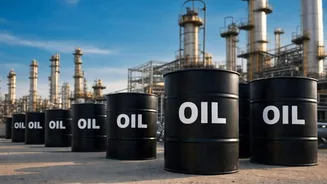
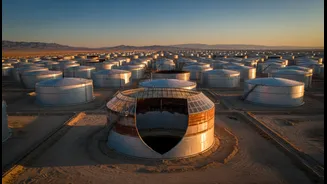
The idea of a Strategic Petroleum Reserve (SPR) is simple and reassuring. Born from the oil crises of the 1970s, it’s a government-controlled stockpile of crude oil, an insurance policy against sudden supply disruptions. For a country like India, which
imports over 85% of its crude oil, this buffer is critical. India's current strategic reserves, stored in vast underground caverns, hold about 5.33 million metric tonnes, enough to cover roughly 9.5 days of national demand. When combined with the commercial stocks held by refining companies, the country has a total cushion of approximately 74 days. Yet, this number falls short of the 90-day net import coverage recommended by the International Energy Agency (IEA), an organisation India is a member of. This shortfall is the most visible part of our energy vulnerability, but the true problem runs much deeper. Recent geopolitical turmoil has shown that a finite cache of oil, however large, offers limited protection against sustained market chaos, price volatility, and the complex risks of the 21st century.
Defining the Billion-Barrel Gap
The 'one-billion-barrel gap' isn't just about the physical number of barrels missing from reserves. It’s a conceptual deficit representing the widening chasm between our 20th-century tools and 21st-century threats. Relying solely on stockpiles is like trying to fix a complex software bug by simply adding more hardware. The problems with this old model are clear. Firstly, SPRs are incredibly expensive to build, fill, and maintain, locking up billions of dollars in capital that could be invested elsewhere. Secondly, their ability to influence the market is limited. A release from the SPR might represent only 1% of daily global consumption, a temporary balm on a deep wound but not a cure for high prices. Finally, the decision to release these reserves is often a tangled political process, not a swift market mechanism. This creates the real gap: a vulnerability to not just supply shocks, but also to price shocks, logistical bottlenecks, and the weaponisation of energy policy that stockpiles alone cannot solve.
The Pillars of True Energy Security
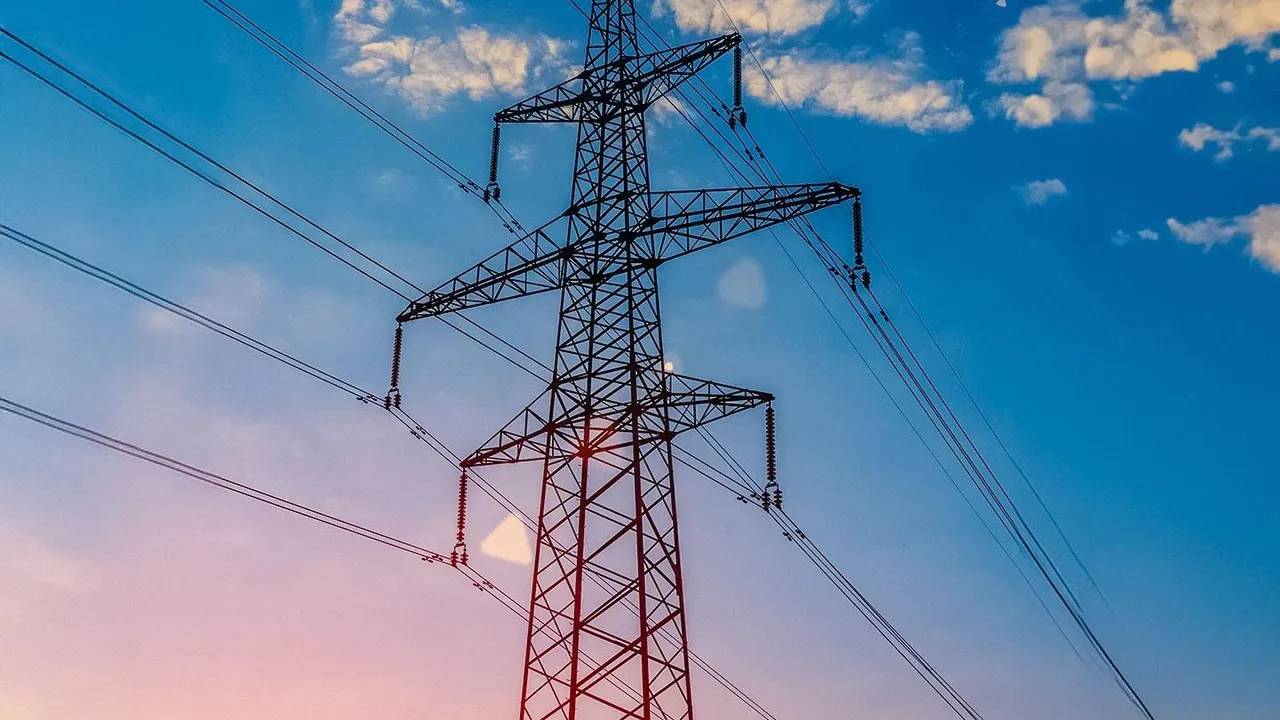
If stockpiles are not enough, what is? The modern definition of energy security has expanded beyond mere supply. It now encompasses affordability, resilience, and sustainability. For India, this means building security from the ground up through a multi-pronged strategy. The first and most powerful pillar is diversifying energy sources. This is about aggressively shifting from imported fossil fuels to homegrown renewable energy. India has made remarkable strides here, recently achieving its target of having 50% of its installed electricity capacity come from non-fossil fuel sources, years ahead of its 2030 goal. With solar capacity soaring and wind power expanding, India is now one of the world's largest renewable energy producers, fundamentally strengthening its domestic energy base.
Efficiency, Electrification, and Diplomacy
The second pillar is reducing demand through efficiency. The cheapest and most secure unit of energy is the one you don’t have to use. Policies promoting industrial efficiency and greener buildings are as crucial as any oil reserve. The third pillar is electrification, particularly in transport. Every car, bus, or two-wheeler that runs on electricity generated from Indian sun and wind is a vehicle that no longer depends on imported oil. Finally, energy security requires smart diplomacy. This includes diversifying the countries from which we import remaining fossil fuels and forming strategic partnerships, such as India's agreement with Abu Dhabi's national oil company to help fill its SPR facilities. This web of strategies—mixing domestic generation, reduced consumption, and resilient international relationships—is what closes the billion-barrel gap far more effectively than simply digging more caverns.