


South India’s Medu Vada
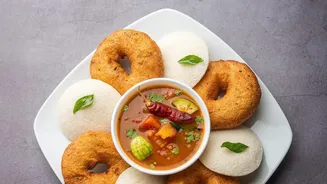
Perhaps the most iconic of them all, the Medu Vada is a breakfast staple in South India. Known as Ulundu Vadai in Tamil Nadu or Uddina Vada in Karnataka, this doughnut-shaped fritter is made from a meticulously ground batter of urad dal (black gram).
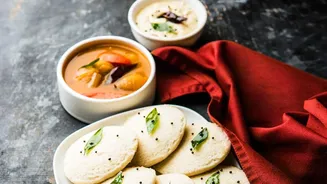
The key to a perfect Medu Vada is its texture: irresistibly crispy on the outside while remaining soft and fluffy on the inside. The traditional breakfast service is an experience in itself. A pair of fresh, hot vadas are typically served alongside a steaming bowl of sambar, a flavourful lentil-based vegetable stew, and a side of fresh coconut chutney. Many breakfast platters feature the vada alongside idli or pongal, making it part of a complete and satisfying morning meal. The act of dipping the crisp vada into the hot sambar, allowing it to soak up the flavour before taking a bite, is a cherished ritual for many.
Maharashtra’s Batata Vada
In Maharashtra, the vada takes on a different form and purpose, becoming the heart of Mumbai's most famous street food: the Vada Pav. Here, the star is the Batata Vada, a round fritter made from a spicy mashed potato filling coated in a gram flour (besan) batter and deep-fried until golden. While it can be eaten on its own, its true calling is as a breakfast on the go. The serving tradition is a masterclass in assembly. A soft, pillowy bread roll, the pav, is sliced open and generously slathered with chutneys. Typically, this includes a vibrant green chutney and a fiery dry garlic chutney, sometimes complemented by a sweet tamarind chutney. The hot batata vada is then pressed inside the pav, and the whole sandwich is often served with a fried green chilli on the side for an extra kick. This ‘Bombay Burger’ is more than just a snack; it’s a cultural icon and a quick, affordable, and delicious breakfast for millions.
Rajasthan’s Kalmi Vada
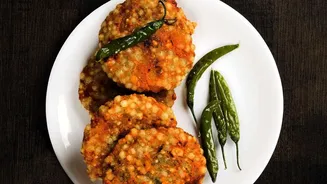
Journey to Rajasthan and you will find the Kalmi Vada, a snack celebrated for its distinctive crunch and flavour. Unlike the soft Medu or potato-filled Batata Vada, the Kalmi Vada is made from a coarse batter of chana dal (Bengal gram) and other lentils, mixed with spices. What truly sets it apart is its unique double-frying method. First, the batter is shaped into logs and partially fried. These logs are then cooled, sliced into long, finger-like pieces, and fried again until they are exceptionally crispy. While often enjoyed as a tea-time snack, these robust, flavourful vadas are a popular breakfast item. The traditional way to serve them is hot and fresh, accompanied by a zesty green chutney made from coriander and mint, which cuts through the richness of the fried vada perfectly. The combination of the super-crispy texture and the fresh, spicy chutney makes it a memorable Rajasthani delicacy.
Tamil Nadu’s Thayir Vadai
Thayir Vadai, the South Indian version of Dahi Vada, offers a completely different breakfast experience. It starts with the familiar Medu Vada, but instead of being served with sambar, it is transformed into a cool and refreshing dish. After frying, the vadas are soaked, often in a diluted and spiced buttermilk mixture, which softens them and allows them to absorb maximum flavour. They are then served submerged in a thick, seasoned curd (yoghurt). The serving tradition in Tamil Nadu typically involves a savoury preparation, where the curd is tempered with mustard seeds, curry leaves, and ginger. It is then garnished with fresh coriander and often a sprinkle of crispy boondi for textural contrast. Unlike its sweeter North Indian counterpart, the classic Thayir Vadai is a savoury, tangy, and cooling dish, making it a uniquely satisfying breakfast, especially in warmer weather.