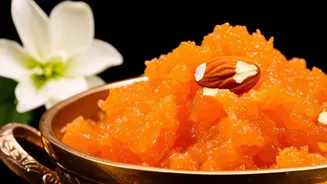

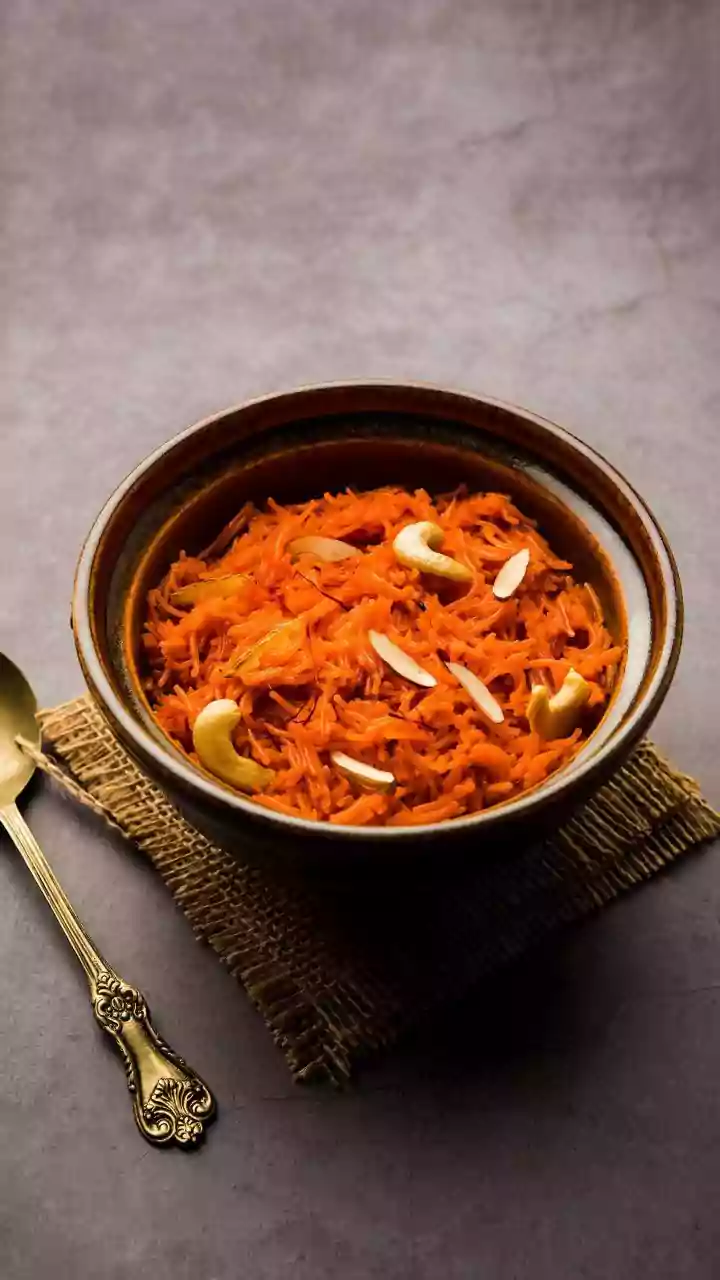
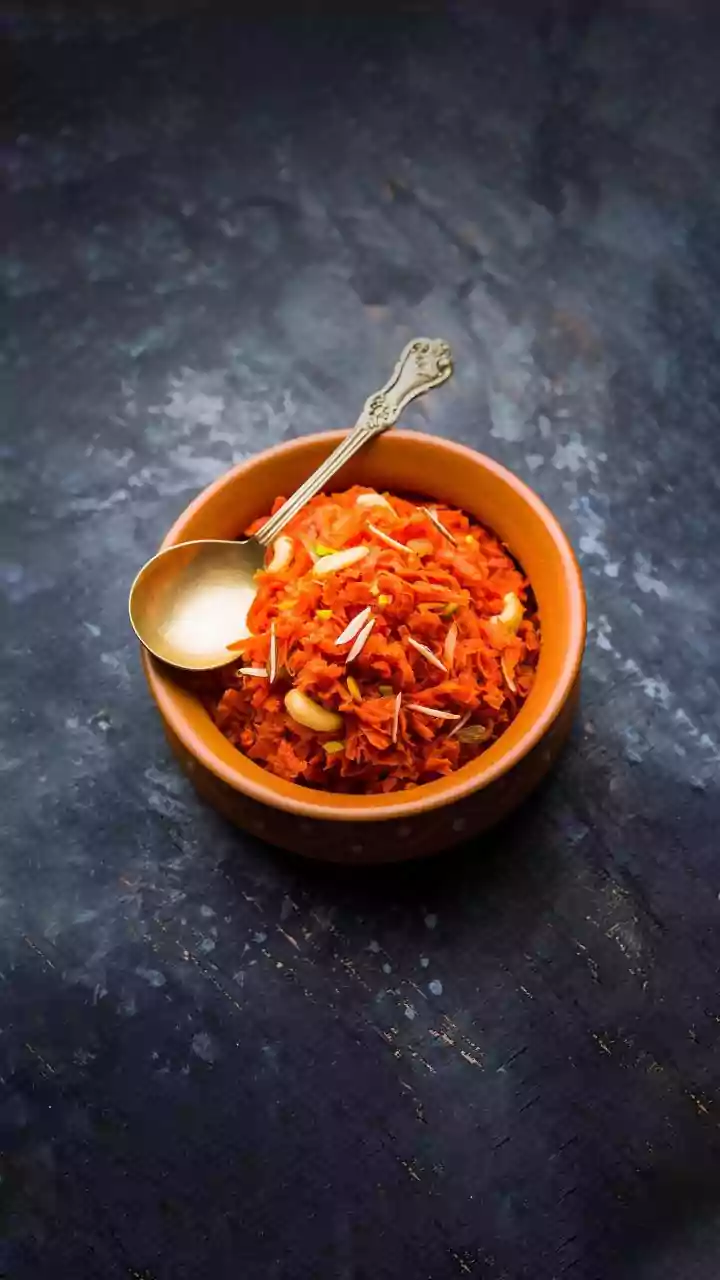

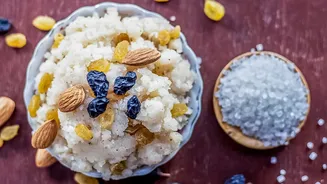
A Sweet Tradition for Vrat
During the auspicious month of Sawan, many devotees observe fasts, particularly on Mondays (Somwar), as a mark of devotion to Lord Shiva. The diet during this period, known as 'vrat' or 'upwas', is typically sattvic, meaning it is light, pure, and easy
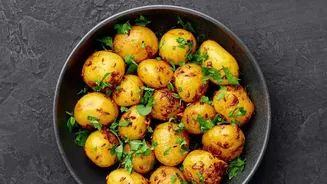
to digest. Root vegetables like potatoes are a staple during these fasts because they provide sustained energy and are considered permissible. Aloo Halwa, or potato halwa, has thus become a cherished dessert. It's a delightful way to satisfy sweet cravings while adhering to the dietary guidelines of the fast. Made with a handful of simple ingredients, this halwa is pure comfort in a bowl, offering warmth and richness after a day of observance.
Essential Vrat-Friendly Ingredients
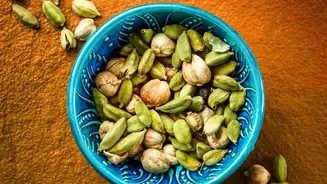
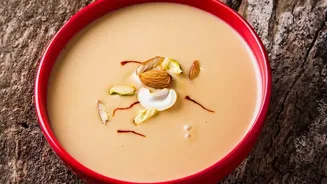
This recipe uses ingredients that are readily available and acceptable for Sawan fasting. The key is simplicity and purity. Here is what you will need: Potatoes: 500 grams (about 4-5 medium-sized), boiled, peeled, and grated. Ghee: 4-5 tablespoons. Using pure desi ghee adds an authentic, rich aroma and flavour. Sugar: ½ to ¾ cup, adjustable to your taste. Milk: ¼ cup, preferably full-fat. Some recipes also include saffron strands soaked in warm milk for colour and fragrance. Cardamom Powder: ½ teaspoon for a sweet, floral aroma. Mixed Nuts: 3-4 tablespoons for garnish. A combination of almonds, pistachios, and cashews works wonderfully.
Step-by-Step Guide to Perfection
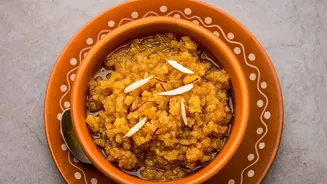
Making Aloo Halwa is a straightforward process that requires patience and continuous stirring. First, heat the ghee in a heavy-bottomed pan or kadai over medium heat. Once the ghee melts, add the grated potatoes. Sauté the potatoes for 8-10 minutes, stirring constantly. This roasting process is crucial for developing flavour and removing any raw taste. You'll notice the potatoes absorbing the ghee and slowly changing colour to a light golden brown. Next, add the sugar. As the sugar melts, the mixture will become somewhat liquidy; this is normal. Continue to cook, stirring until the mixture thickens again. Pour in the milk (and saffron milk, if using) and the cardamom powder, mixing everything well. Keep cooking until the halwa starts to pull away from the sides of the pan and releases the ghee, taking on a glossy sheen. This indicates it is perfectly cooked.
Achieving the Perfect Soft Texture
The secret to a melt-in-your-mouth Aloo Halwa lies in the preparation of the potatoes. For an exceptionally smooth, lump-free texture, it is best to grate the boiled potatoes rather than just mashing them. Mashing can sometimes leave small chunks, but grating ensures a uniform consistency. When sautéing the grated potato in ghee, maintain a low to medium flame. This slow cooking allows the starch to cook evenly, resulting in a softer final product. Do not rush this step. Constant stirring not only prevents the halwa from sticking to the pan but also helps in breaking down the potato further, contributing to its creamy texture. A final spoonful of ghee stirred in at the end can add an extra layer of richness and a beautiful gloss.
The Finishing Touch: A Nutty Garnish
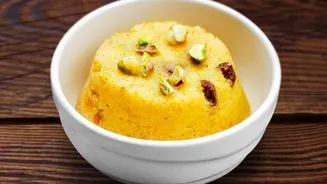
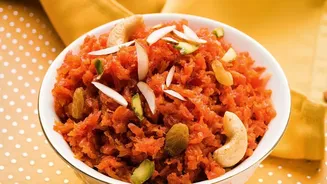
A generous garnish of nuts provides a delightful crunch that contrasts beautifully with the soft, fudgy halwa. While you can use any nuts of your choice, almonds and pistachios are classic additions. For the best flavour, lightly roast the chopped nuts in a separate pan with a little ghee until they are fragrant and slightly golden. You can use a mix of slivered almonds, chopped cashews, and bright green pistachios. Sprinkle them over the halwa just before serving. Some also like to add raisins, which plump up and add little bursts of sweetness. This nutty topping not only enhances the texture but also makes the dessert look incredibly inviting and festive.