

The Art of the Floral Infusion
Before gracing your dessert plate, edible flowers like lavender, rose, chamomile, and hibiscus lend their essence through infusion. This process involves steeping the flowers in a liquid—such as milk, cream, or a simple syrup—to gently extract their aromatic
compounds. The goal isn't to make your dessert taste like a bouquet, but to introduce a subtle, fragrant note that adds complexity. When done correctly, culinary lavender offers a clean, gentle floral taste, while rose can provide a luxurious, soft perfume. The key is balance; a light touch elevates a dish from simple to sublime, creating a layered sensory experience that begins with scent and ends with a delicate aftertaste.
Honey: Nature's Complex Sweetener
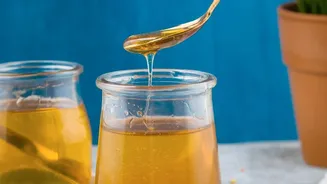
To understand this pairing, one must appreciate that honey is far more than just liquid sugar. Its flavour profile is a direct reflection of the nectar source, a concept similar to terroir in wine. A honey derived from orange blossoms will carry bright, citrusy notes, while one from clover is milder with hints of cinnamon. This inherent complexity makes honey the perfect partner for floral notes. Darker, bolder honeys can stand up to robust flavours, while lighter, milder honeys are ideal for pairing with delicate florals like chamomile or rose. The honey doesn't just add sweetness; it can provide complementary fruity, earthy, or even spicy notes that build a bridge to the floral infusion.
A Match Made in Flavor Heaven
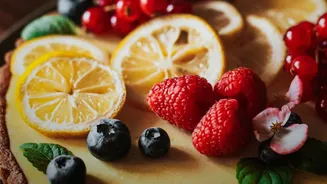
So why do these two elements work so beautifully together? It's a combination of harmony and contrast. Both honey and many edible flowers share aromatic, floral compounds, creating a natural synergy. The honey's sweetness can round out the sometimes sharp or herbal edges of a flower like lavender, making it more palatable and dessert-friendly. In return, the floral infusion lifts the honey, preventing its sweetness from becoming one-dimensional. Think of a lemon and lavender cake; the citrus, floral, and honey notes reinforce each other without any single element overpowering the others, creating a balanced and sophisticated flavour.
Popular Pairings and How to Use Them
Certain combinations have become modern classics for a reason. Lavender and honey is a standout, appearing in everything from ice cream and shortbread to lattes and crème brûlée. The calming, herbal notes of lavender are perfectly mellowed by the sweetness of a mild honey. Rose and honey is another timeless duo, lending an elegant and fragrant quality to panna cotta, macarons, or a simple glaze for cakes. Chamomile, with its apple-like gentleness, pairs with honey in custards, cakes, and soothing syrups, often complemented by a touch of lemon to brighten the flavour.
Beyond the Drizzle: Creative Dessert Ideas
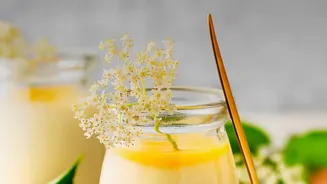
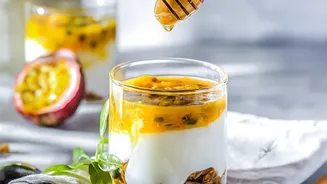
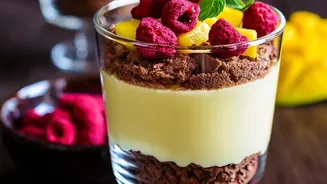
This pairing's versatility extends across the entire dessert spectrum. You can infuse the cream for a chamomile panna cotta, topped with chopped pistachios for texture. Or, try baking a honey-sweetened cake where the milk has been steeped with lavender, creating a fragrant crumb that fills the kitchen with its aroma. For a simpler approach, a floral-infused honey can be drizzled over yogurt, fresh fruit, or a sharp cheese for an elegant appetiser. Other delightful creations include rosewater thumbprint cookies, honey-lavender popsicles, or a hibiscus sorbet where honey balances the flower's natural tartness.