


The Humble Power of Rice Flour
For centuries, before 'gluten-free' became a dietary buzzword, rice flour was simply a pantry staple across Asia. Milled from rice grains, it’s the foundation of countless dishes. Its power lies in its versatility. Unlike wheat flour, rice flour contains
no gluten, a fact that has less to do with modern health trends and more to do with its fundamental properties. This absence of gluten is what creates the unique textures that wheat simply can't replicate. Depending on whether it's ground from long-grain rice or sticky 'glutinous' rice, the flour can produce anything from a light, delicate cake to a satisfyingly dense and chewy dumpling. This isn't about being a 'healthy alternative'; it's about being the right ingredient for the job.
A Journey Through Indian Delicacies
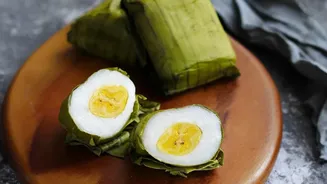
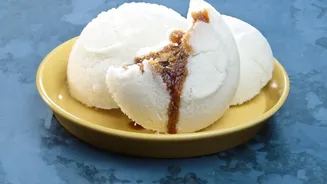
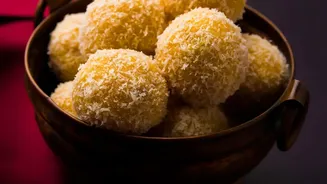
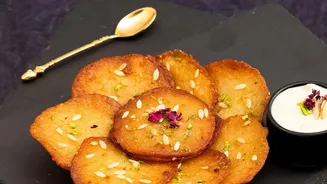
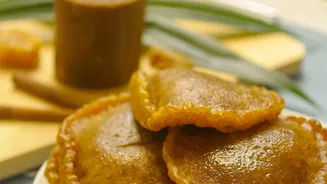
In India, rice flour is woven into the fabric of festive and everyday sweets. Take the beloved modak, a steamed dumpling with a soft rice flour shell encasing a sweet mixture of coconut and jaggery. Especially popular during Ganesh Chaturthi, the modak is more than a dessert; it's a symbol of wisdom and a devotional offering. Then there's Pitha, a broad category of rice cakes from Eastern India, which can be steamed, fried, or baked, with fillings ranging from sweet coconut to savoury lentils. In the south, you'll find Kozhukattai, a similar dumpling, and in Andhra Pradesh, Ariselu, a crispy, fried disc of rice flour and jaggery that delivers a delightful crunch. Each treat tells a story of its region, crafted for texture and taste.
The Global Embrace of Chewy and Soft
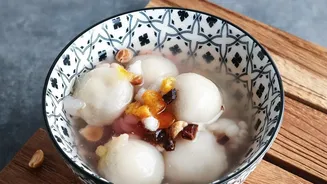
The appeal of rice flour's unique texture extends far beyond India. In Japan, it is the star of mochi, a chewy confection made from pounded glutinous rice. Mochi can be filled with sweet red bean paste to make daifuku or enjoyed simply on its own. Its signature chewiness comes from glutinous rice flour, which becomes elastic and sticky when heated. Heading to the Philippines, you'll find Biko, a sticky rice cake made with coconut milk and brown sugar, offering a dense, caramelised sweetness. In Vietnam, Bánh bò is a spongy, honeycomb-textured steamed cake that gets its lightness from rice flour, showcasing yet another of the ingredient's textural possibilities. These desserts aren't trying to be anything other than what they are: satisfying, traditional, and delicious.
Beyond the 'Guilt-Free' Narrative
It’s tempting to frame these naturally gluten-free desserts as a 'healthy' choice, but doing so misses the point entirely. These sweets existed long before the modern wellness industry started searching for substitutes. To label a traditional modak or a piece of mochi as merely a 'gluten-free alternative' is to strip it of its cultural significance and culinary identity. Their value doesn't come from what they lack (gluten), but from what they possess: a rich history and a texture that has been perfected over generations. The joy of eating is a valid pursuit on its own, and the pleasure derived from a sweet treat can even be psychologically beneficial. These desserts don't need a health halo to justify their place on the table; their heritage and flavour are more than enough.