


The Numbers Behind the Noise
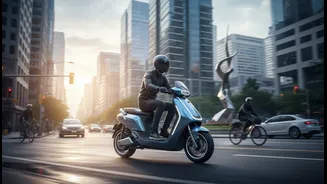
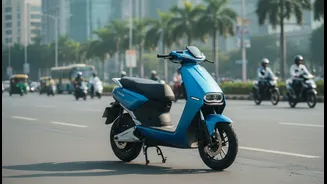
The phrase 'showing up daily' is no exaggeration. In the first half of 2026, India saw over one million electric two-wheelers sold, averaging more than 5,300 units every single day. The growth is accelerating, with June 2026 alone witnessing nearly 194,000
units sold, a staggering 75% increase compared to the same month last year. For the first time ever, electric models accounted for over 10% of all two-wheeler sales in the country in June. This isn't just a niche trend anymore; it's a mainstream movement. Key players like TVS, Bajaj Auto, and Ather Energy are leading the charge, with sales figures indicating that most major brands are on track to achieve their highest-ever annual sales in 2026.
The Fuel Price Push
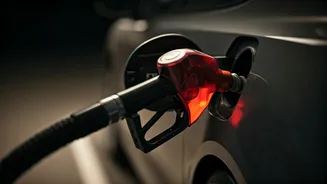
A primary driver behind this electric wave is the persistent pain at the petrol pump. With petrol prices hovering well over ₹100 per litre in major cities, the running cost of a conventional scooter has become a significant household expense. An average petrol scooter costs between ₹2.20 and ₹2.50 per kilometre to run. In stark contrast, charging an electric scooter at home costs a mere ₹0.15 to ₹0.27 per kilometre. For a daily commuter travelling 30-35 kilometres, this translates into annual savings of over ₹30,000 on fuel alone. This dramatic cost difference is a powerful incentive, effectively giving a household a monthly raise that can be used for other essentials. Recent sharp increases in fuel prices in May 2026 further accelerated this shift.
Government's Helping Hand
The government has played a crucial role in kickstarting this transition. Schemes like FAME (Faster Adoption and Manufacturing of Electric Vehicles) have provided direct subsidies to buyers, making the higher upfront cost of EVs more palatable. While the second phase of FAME ended in March 2024, it has been succeeded by interim schemes and the upcoming FAME-III, which is expected to roll out with an outlay of around ₹10,000 crore. Though subsidies are gradually being tapered to encourage market self-sufficiency, they have been vital in building initial momentum. Beyond direct incentives, reduced GST on EVs (from 12% to 5%) and on chargers (from 18% to 5%) has also helped bring down the overall cost of ownership.
More Choice, Better Products
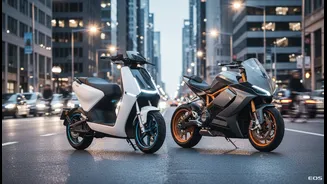
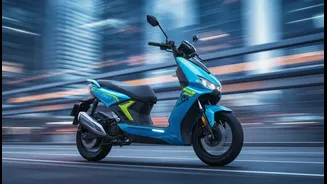
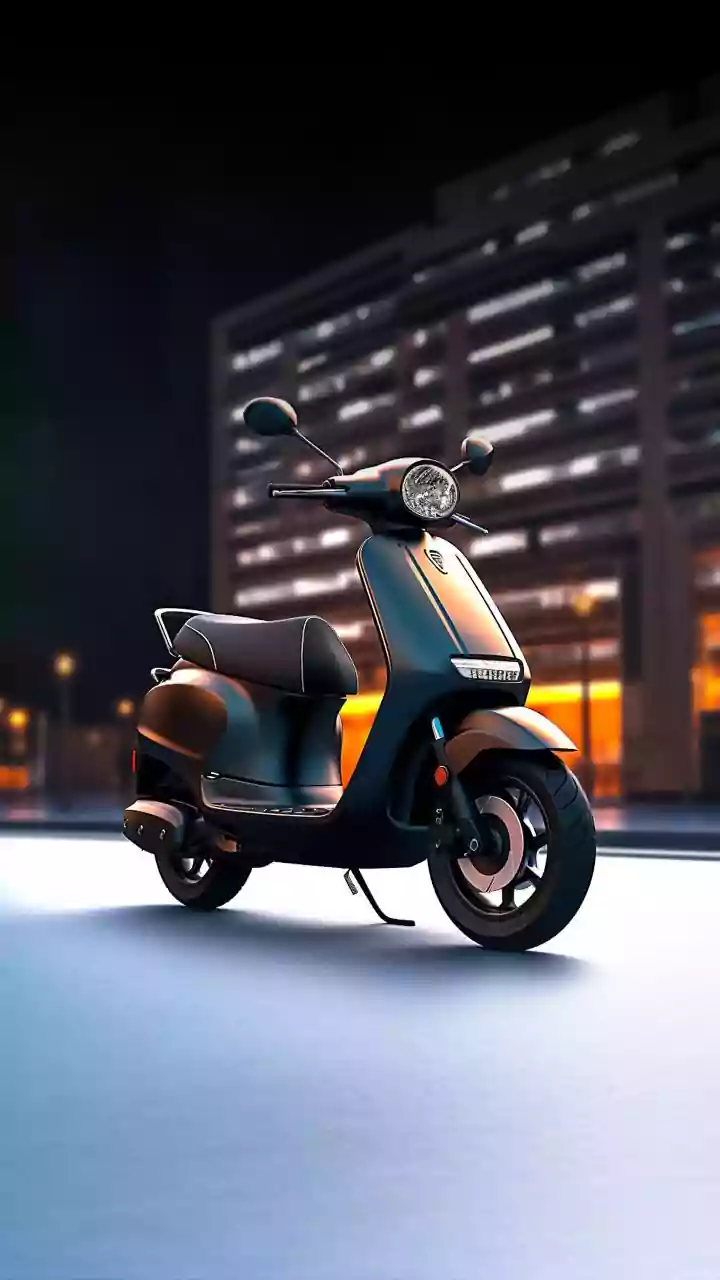
For years, the Indian EV market was defined by limited options and concerns about quality. That has changed dramatically. Today, consumers can choose from a wide array of products from legacy giants and agile startups. TVS, with its popular iQube, and Bajaj, with the resurrected Chetak in electric form, are battling for the top spot. Ather Energy continues to appeal to tech-savvy urban riders, while Hero MotoCorp's Vida brand is rapidly gaining ground, especially in Tier-2 and Tier-3 cities. Even brands that once dominated, like Ola Electric, are still significant players. This fierce competition has led to better products with improved range, smarter features, and greater reliability, boosting consumer confidence.
Roadblocks on the Path Ahead
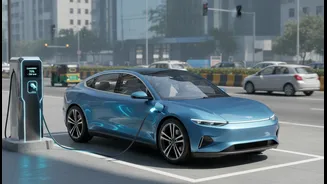
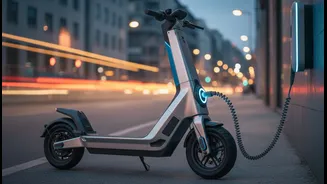
Despite the impressive growth, the road to full electrification is not without bumps. The single biggest barrier remains the underdeveloped public charging infrastructure, which fuels 'range anxiety' among potential buyers. While most users charge at home, the lack of widespread, reliable public chargers limits the utility for long-distance travel and for those living in apartments without dedicated parking. Other challenges include the high upfront cost compared to petrol counterparts (even with subsidies), uncertainty over the resale value of used EVs, and the need for a truly clean energy grid to maximize the environmental benefits.