


Understanding the Flood's Impact
On August 26, 2026, a devastating flash flood, believed to be caused by a glacial collapse, tore through the Bhote Koshi and Trishuli river corridors. The disaster was severe but geographically concentrated, primarily hitting the Rasuwa, Nuwakot, and Dhading
districts in northern Nepal. This area includes the main overland trade and travel route to Tibet via the Rasuwagadhi-Kerung border crossing, which sustained extensive damage. It's crucial to understand that sweeping headlines suggesting all of Nepal is flooded are misleading. The disaster was largely confined to specific river corridors, leaving the country's most popular tourism circuits completely untouched.
Open for Business: Unaffected Tourist Regions
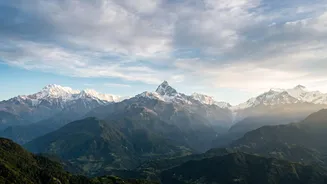
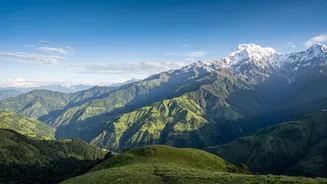
For the majority of tourists, the news is reassuring. The country's most iconic trekking regions and tourist hubs were not in the flood's path and remain fully operational. Areas like the Everest Base Camp and Annapurna circuits are entirely safe and welcoming visitors as usual. Major cities including Kathmandu and Pokhara, along with their heritage sites and tourism infrastructure, are operating normally. Chitwan National Park was also unaffected. Essentially, if your travel plans are focused on these popular areas, you should not experience any direct impact from the floods.
Closed and Affected Routes
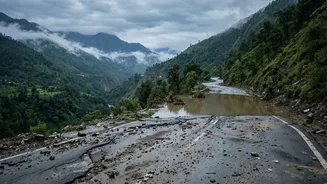
The primary impact for travellers is the closure of the northern frontier and specific trekking routes. The overland route to Tibet is closed to all traffic due to severe infrastructure loss. The Langtang Valley and Ganesh Himal trekking regions have been directly affected, not because the trails themselves were destroyed, but because the access roads, particularly the road to Syabrubesi, were washed away. While alternative routes are being explored, travel to the Langtang region is not recommended until road access is properly restored. Several key highways in central Nepal were also temporarily blocked but sections are reopening; it is vital to check local conditions before any road travel.
Your September Planning Checklist
September marks the end of the monsoon and the beginning of Nepal's peak autumn trekking season, bringing clearer skies and stable weather. Given the recent events, planning requires extra diligence.
1. Confirm Your Itinerary: Double-check with your local tour operator or guide about your specific route. If you planned a Langtang trek, you will need to change your plans. For other regions, your trip can likely proceed as scheduled.
2. Stay Updated: Do not rely on social media rumours. Refer to official sources like the Nepal Tourism Board, which has set up an information desk to share updates.
3. Book in Advance: As September is the start of the peak season, it’s always wise to book flights and accommodation ahead of time, especially for popular treks.
4. Travel Insurance: Comprehensive travel insurance that covers medical evacuation is non-negotiable for travel to Nepal, especially now.
5. Be Flexible: The post-monsoon season can still bring rain, and the situation in affected areas can change. Build buffer days into your schedule for potential travel delays.
On-the-Ground Safety
If you are travelling to Nepal, general safety precautions are more important than ever. The monsoon season, which runs until September, increases the risk of landslides and water-borne diseases even in unaffected areas. Always practice safe food and water habits. Avoid fast-flowing rivers, a standard precaution during this time of year. Several international governments advise exercising a high degree of caution and reconsidering travel to the specific flood-hit districts. However, they also acknowledge that most of the country remains open for tourism.