


The Initial Fullness Illusion
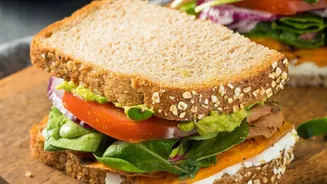
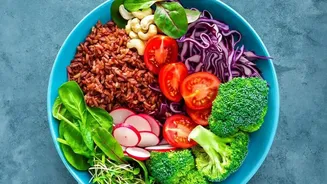
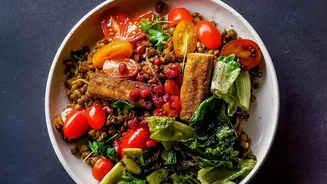
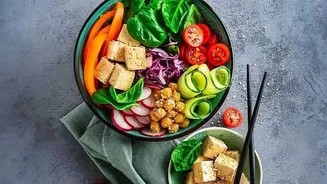
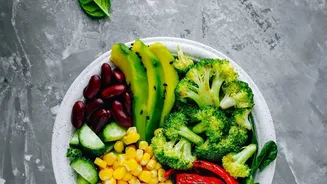
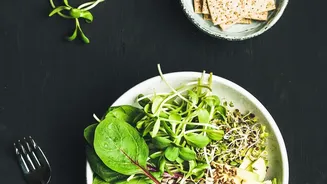
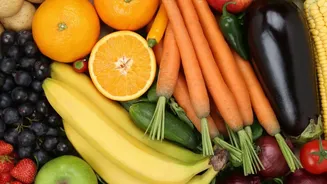
Many vegetarian dishes, especially salads and stir-fries, are packed with high-volume, water-rich vegetables. This bulk physically fills your stomach, triggering stretch receptors that signal to your brain that you are full. The high fibre content in these
vegetables also contributes to this initial feeling of satiety. Fibre slows down digestion, helping to prevent an immediate desire for more food. So, when you finish a big bowl of sabzi or a hearty salad, the immediate sense of fullness is real, but it's primarily caused by volume and fibre, which is only part of the satiety puzzle.
The Missing Satiety Anchors: Protein and Fat
The feeling of fullness that lasts for hours comes from a more complex process involving hormones and slower digestion, which is where protein and fat play a crucial role. Protein is widely considered the most satiating macronutrient. It takes longer to digest than carbohydrates and triggers the release of hormones that tell your brain you're satisfied, effectively turning off hunger signals for an extended period. Similarly, healthy fats slow down the emptying of the stomach, which prolongs the feeling of fullness. A vegetarian meal that is light on protein sources like paneer, tofu, lentils, or beans, and low in healthy fats from nuts, seeds, or oils, will be digested much more quickly, leading to a premature return of hunger pangs.
The Blood Sugar Rollercoaster
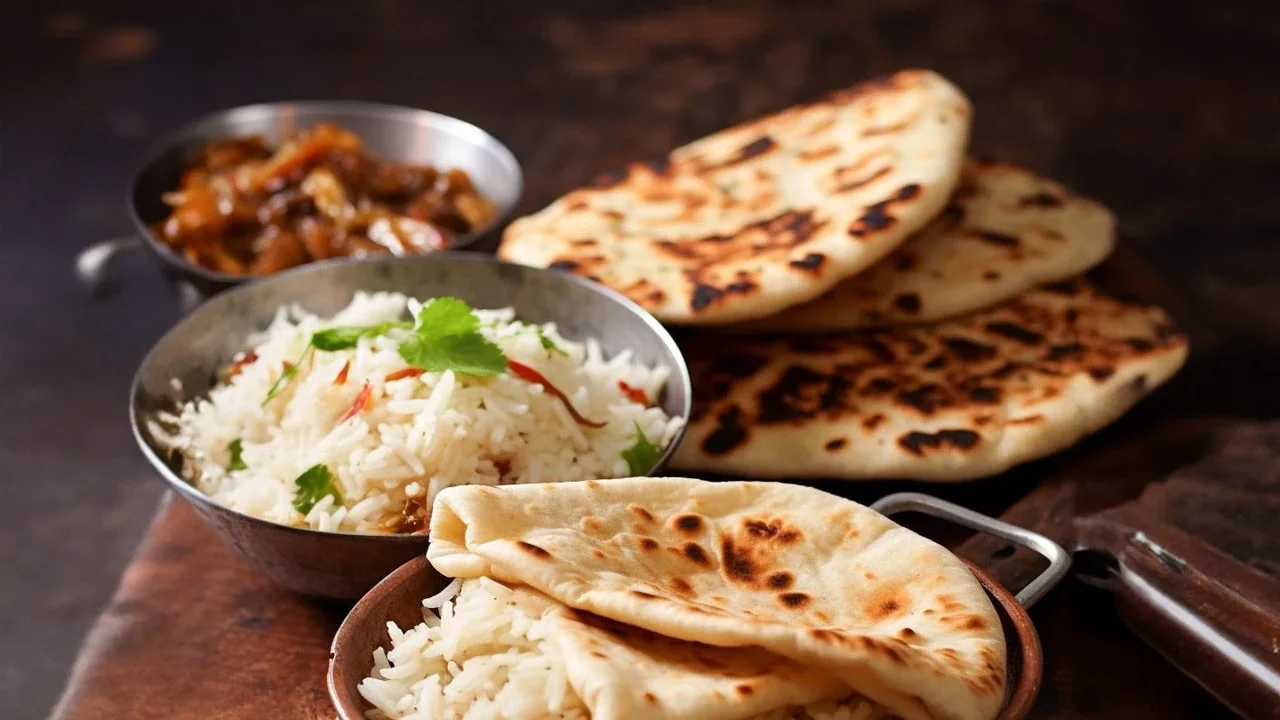
Another common culprit is a meal composition heavy in refined carbohydrates. Think of a plate of pasta with a simple vegetable sauce, or a meal centered around white rice or naan with a small portion of dal. These simple carbohydrates are broken down into sugar very quickly, causing a rapid spike in your blood glucose levels. Your body responds by releasing a large amount of insulin to manage the sugar, which then leads to a swift drop in blood glucose. This 'crash' can leave you feeling tired, weak, and, most notably, hungry again, as your body signals a need for more energy.
How to Build a Veg Meal That Lasts
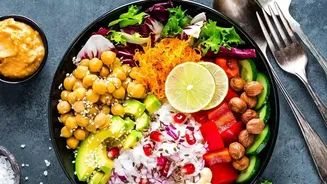
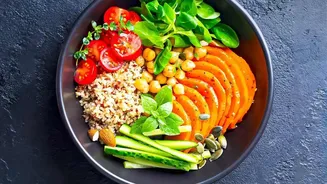
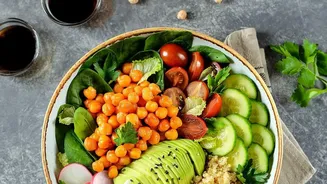
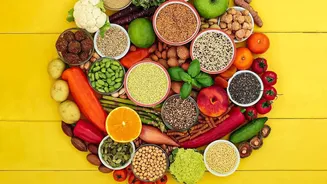
The key to avoiding the post-lunch hunger slump is to build a more balanced plate. It's not about eating more, but about eating smarter. A truly satisfying meal should include a combination of three key elements: protein, healthy fats, and complex carbohydrates (which are rich in fibre). This powerful trio works together to slow digestion, stabilize blood sugar, and provide sustained energy. Instead of a simple salad, think of a salad loaded with chickpeas, roasted paneer, and a handful of toasted seeds with an olive oil-based dressing. This transforms it from a high-volume snack into a complete, satiating meal.
Simple Swaps for Sustained Fullness
Making your vegetarian meals more filling often comes down to a few simple additions. If your meal is based on rice and vegetables, ensure you have a generous portion of dal, chana, or rajma alongside it. When making a vegetable stir-fry, toss in some firm tofu, edamame, or cashews. Add a spoonful of nut butter to your morning oatmeal, or top your yogurt with seeds and nuts. Even something as simple as adding avocado slices or a sprinkle of hemp seeds to your bowl can provide the healthy fats needed to keep you full and satisfied until your next meal. These small changes ensure you're getting the staying power your body needs.