



Why A Gentle Return Matters
After a prolonged period without food, your digestive system essentially goes into a resting state. The production of digestive enzymes, which are needed to break down carbohydrates, proteins, and fats, is reduced. Your stomach's protective lining can
also be temporarily diminished. Jumping straight back into large, heavy, or complex meals can be a shock to this dormant system. This sudden demand can lead to uncomfortable symptoms like bloating, cramping, heartburn, and nausea. In more extreme cases of undernutrition followed by rapid refeeding, there's a risk of a serious condition called refeeding syndrome, where dangerous shifts in fluid and electrolytes can occur. A gradual, mindful approach is about working with your body, not against it, allowing it to gently wake up and resume its normal functions.
Your First Post-Fast Foods
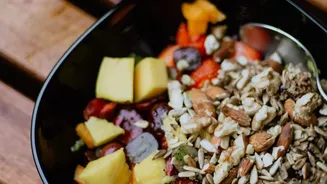
The key to your first meal is to keep it small, simple, and easy to digest. Think of it as an appetizer for your digestive system, not the main course. Excellent choices include liquids and soft foods that are gentle on the gut. Bone broth or a light vegetable soup can provide hydration and minerals without overwhelming your system. Smoothies are another great option, as the blended ingredients are partially broken down, making them easier to absorb. Water-rich fruits like watermelon or melon are hydrating and offer a touch of natural sugar for energy. Fermented foods like plain yogurt or kefir can introduce beneficial probiotics to your gut, while a soft-cooked egg offers easily digestible protein. The goal is to provide nourishment without forcing your digestive system to work too hard.
Foods to Avoid Initially
Just as important as what to eat is what to avoid in the first 24 to 48 hours. Steer clear of foods that are known to be hard on digestion. This includes high-fiber raw vegetables, especially cruciferous ones like broccoli and cauliflower, which can cause gas and bloating. While healthy, these are best introduced after your system is back online. Heavily processed items, sugary snacks, and desserts can cause a sharp spike and subsequent crash in blood sugar. High-fat, greasy, or fried foods can also be difficult to process and may lead to discomfort. It's also wise to avoid spicy foods, as fasting can increase sensitivity to capsaicin, potentially leading to heartburn or irritation. Finally, hold off on alcohol, which can irritate the stomach lining and cause dehydration.
A Sample Reintroduction Schedule
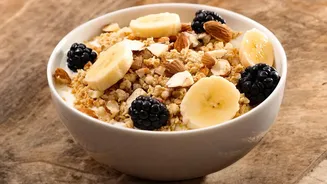
There's no single perfect timeline, as it depends on the length of your fast and your individual body, but a phased approach is universally recommended. On day one, focus on the gentle foods mentioned above: broths, soups, and perhaps a small portion of cooked vegetables or a piece of fruit. On days two and three, you can begin to slowly incorporate more variety. Introduce small amounts of lean protein like chicken or fish, and healthy fats like a quarter of an avocado or a drizzle of olive oil. By day four and beyond, you can start adding more complex carbohydrates, whole grains like oats or quinoa, and small portions of nuts and seeds, gradually increasing your meal sizes. Throughout this process, chew your food thoroughly and eat slowly, paying close attention to how your body responds.
Listen to Your Body's Cues
Ultimately, the best guide for refeeding is your own body. The guidelines are a starting point, not a rigid set of rules. Pay close attention to signals of hunger, fullness, and discomfort. If you introduce a food and experience bloating or cramping, it’s a sign to pull back and stick with simpler options for a little longer. Practice mindful eating by eating slowly and stopping when you feel about 80% full. This gives your brain time to register satiety, preventing the overconsumption that can lead to digestive distress. Remember that the refeeding phase is an integral part of the fasting process. Treating it with the same care and intention as the fast itself ensures you reap the full benefits of your efforts while feeling comfortable and energized.