






The Power of Pulses: Why Lentils Are a Pantry Hero
Lentils are a nutritional powerhouse and a cornerstone of Indian cuisine for good reason. They are packed with plant-based protein, which helps build muscle and keeps you feeling full, potentially aiding in weight management. Evidence suggests that regular
consumption of lentils, which are rich in dietary fiber, can support digestive health and promote regular bowel movements. The fiber in lentils also helps slow the release of sugar into the bloodstream, contributing to better blood sugar control, which is particularly beneficial for individuals managing diabetes. Studies have shown that polyphenols found in lentils have antioxidant and anti-inflammatory properties, which may help reduce the risk of chronic diseases like heart disease. Unlike many other legumes, most lentils don't require soaking and cook in under 30 minutes, with split varieties like red lentils (masoor dal) cooking in as little as five minutes, making them perfect for a quick dal, soup, or stew.
Oats: More Than Just Breakfast Porridge
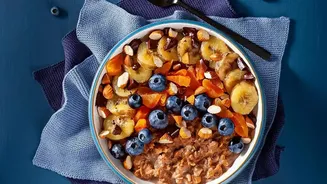
Oats have earned their reputation as a heart-healthy food, largely due to a type of soluble fiber called beta-glucan. Scientific evidence strongly supports that a daily intake of at least 3 grams of oat beta-glucan can help lower LDL ("bad") cholesterol levels, a key risk factor for heart disease. This fiber also helps manage blood sugar levels by slowing down digestion and preventing sharp spikes after a meal. But their utility extends far beyond a morning bowl of porridge. Oats can be used to create savoury dishes like upma or cheela, adding a nutritious and filling element. Ground oats can act as a binder in veggie patties or koftas, replacing breadcrumbs for a healthier, gluten-free alternative. Their versatility makes them an invaluable ingredient for quick and healthy meals throughout the day, from breakfast to dinner.
Nuts: The Ultimate Snack and Finisher
Often viewed as just a snack, nuts are dense in nutrients that offer significant health benefits. They are an excellent source of healthy unsaturated fats, plant-based protein, and fiber. This combination helps you feel full and satisfied, making a small handful of almonds, walnuts, or cashews an ideal snack to curb midday hunger. Research has consistently linked regular nut consumption to a reduced risk of heart disease. Studies suggest that nuts can help lower bad cholesterol, reduce inflammation, and may even help lower blood pressure. Beyond snacking, nuts are a fantastic way to add texture, flavour, and a nutritional boost to meals. Sprinkle chopped almonds over a bowl of oats, add walnuts to a salad for a crunchy texture, or blend cashews into a creamy, dairy-free sauce for curries.
Bringing It All Together for Quick, Easy Meals
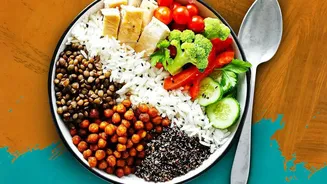
The true magic happens when you combine these staples. Having them on hand means you are never more than 30 minutes away from a wholesome meal. You can cook a big batch of lentils to use throughout the week in salads, wraps, and soups. Prepare overnight oats by soaking rolled oats in milk or yogurt for a ready-to-eat breakfast. Create your own trail mix with a variety of nuts and seeds for a portable, energy-boosting snack. You can even combine them into one dish. A savory porridge made with red lentils and oats, topped with toasted nuts, makes for a high-protein, fiber-rich meal that is both delicious and incredibly easy to prepare. A veggie loaf using lentils and oats as a base with nuts for texture is another hearty and healthy option.
Stocking Your Pantry for Success
To make these quick meals a reality, a well-organized pantry is key. Buying lentils, oats, and nuts in bulk can often be more cost-effective. The best way to store these dry goods is in airtight containers in a cool, dark, and dry place. This protects them from moisture, pests, and sunlight, extending their shelf life and preserving their nutritional quality. Glass jars are a great option as they allow you to see at a glance what you have, making meal planning easier. Due to their higher fat content, nuts can go rancid more quickly, so it's a good idea to store larger quantities in the refrigerator or freezer to keep them fresh for longer.