





The Search for Authentic India
For many Indian travellers, the desire for unique and meaningful journeys is growing. The era of simply checking famous landmarks off a list is giving way to a new trend: experiential travel. Tourists are no longer satisfied with just seeing the sights;
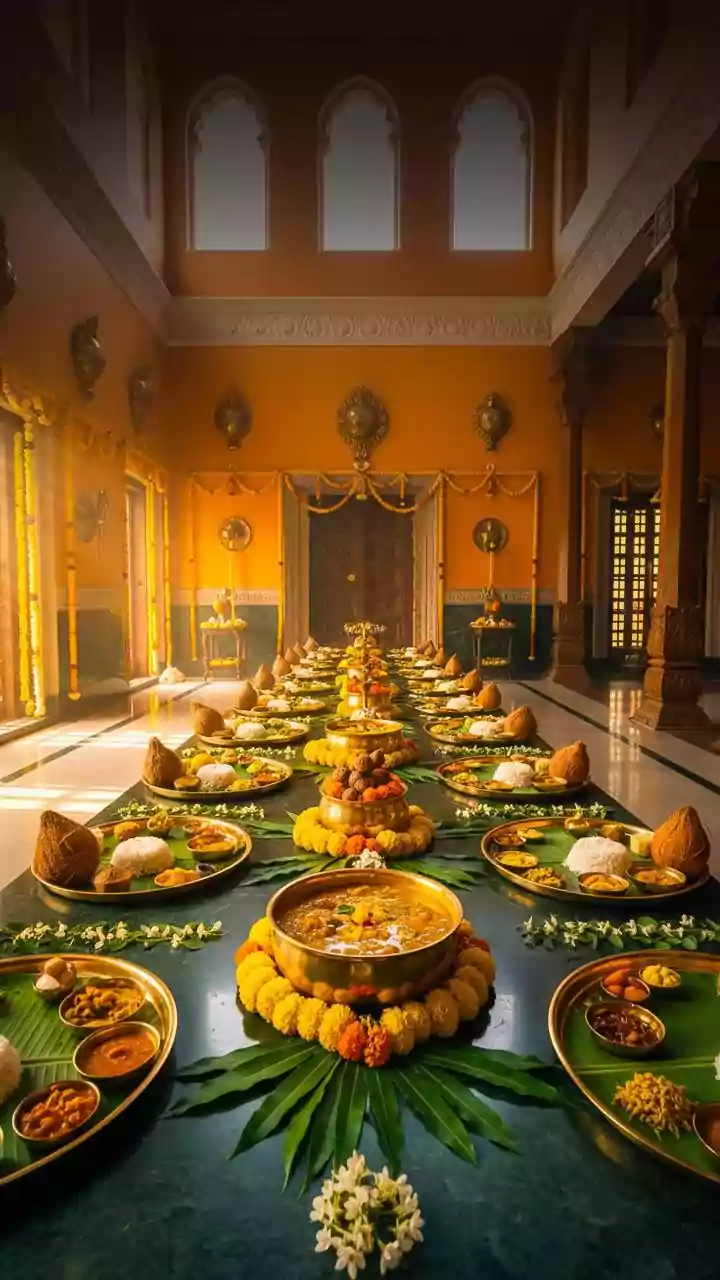
they want to immerse themselves in the local culture, food, and traditions. A recent report highlighted that a significant number of Indian travellers are prioritising personal growth and authenticity over the 'perfect holiday'. This shift means moving away from a one-size-fits-all approach and seeking experiences that resonate on a personal level, whether it's a culinary tour in a remote village or learning a traditional craft from local artisans. This search for deeper connection is where traditional travel planning, with its generic top-ten lists and sponsored results, often falls short.
Your New AI Travel Companion
This is where Artificial Intelligence steps in, not as a futuristic gimmick, but as a practical and powerful tool for modern explorers. AI-powered platforms are becoming increasingly sophisticated at understanding traveller intent. Instead of you searching 'places to visit in Rajasthan', you can describe the 'vibe' you want—perhaps a quiet, artistic escape with a focus on textiles and local food. The AI analyses this, along with your budget, travel style, and even past behaviour, to generate hyper-personalised recommendations. Think of it as a travel agent that has sifted through millions of data points—reviews, blogs, social media posts, and geographical information—to curate suggestions just for you. This technology is quickly moving from a novelty to a trusted co-pilot for trip planning.
Unlocking India's Hidden Gems
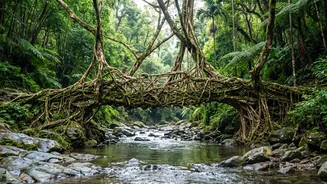
The true potential of this technology lies in its ability to shine a light on India’s lesser-known destinations. For every crowded tourist spot, there are countless villages, untouched landscapes, and cultural pockets waiting to be discovered. AI can bridge the information gap that keeps these places hidden. A traveller from a metro city could discover a specific homestay in the Northeast known for its farm-to-table meals or find a workshop in a small town that teaches a rare art form. Platforms are emerging that focus specifically on this, using AI to turn inspiration from a social media reel into a bookable itinerary, complete with visa information and local transport options. This democratises travel knowledge, making unique regional experiences accessible to a much wider audience.
From Planning to Personalised Itineraries
The adoption of AI in travel planning is surging among Indian tourists. A 2026 report revealed that while one in three already use AI, a remarkable 68% are likely to use it for their next trip. This enthusiasm goes beyond just finding destinations. Travellers are looking to AI for personalised itineraries, suggestions for local activities, and dining recommendations. Some platforms now allow users to simply ask natural-language questions, like a conversation, to get detailed insights on everything from weather to cultural significance. While many still prefer to have the final say on bookings, they increasingly rely on AI to do the heavy lifting of research and discovery, saving time and reducing the stress of planning.
A Boost for Local Economies
This shift towards AI-driven discovery has a powerful ripple effect. By guiding tourists to smaller towns, family-run homestays, and local artisans, the economic benefits of tourism can be distributed more evenly. Instead of revenue being concentrated in major tourist hubs, it flows into regional and rural economies. Government initiatives like the National Digital Tourism Mission are also embracing this, aiming to create a unified ecosystem that integrates and accredits smaller service providers like guides and local operators, boosting their visibility. This not only creates new business opportunities for small enterprises but also helps in the preservation of local culture by making it economically viable. It fosters a more sustainable and inclusive model for tourism development across the country.