


The Dream of Empty Tombs vs. The Reality of Crowds
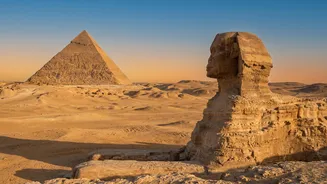
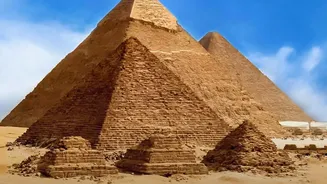
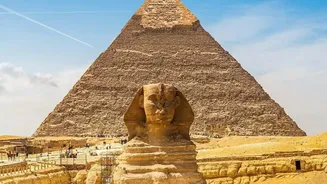
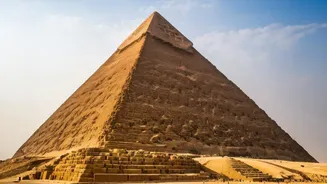
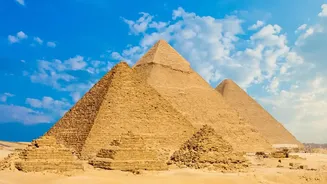
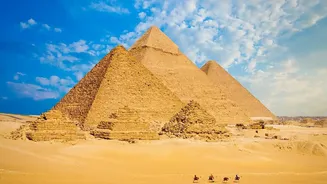
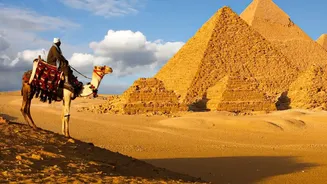
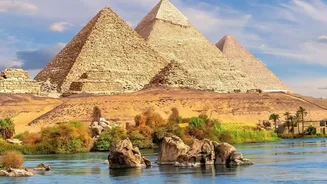
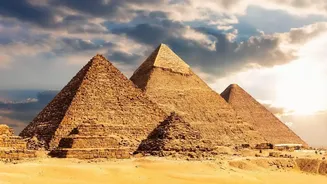
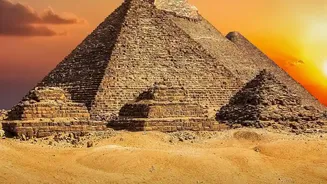
The fantasy of quietly contemplating the Pyramids of Giza or the Valley of the Kings alone is a powerful one. The reality, especially during peak season, involves sharing these wonders with thousands of other visitors. The busiest months are typically
December and January when the weather is coolest and most comfortable for sightseeing. This influx means queues, crowded chambers, and a less-than-serene atmosphere at the most famous sites. However, you can still find moments of quiet. Visiting in the shoulder seasons of October, November, March, or April can offer a sweet spot of pleasant weather and fewer people. Regardless of when you go, arriving at major sites right when they open or just before they close can help you avoid the largest tour bus crowds. Planning ahead and accepting that you won't have these world-famous monuments to yourself is the first step toward a more enjoyable visit.
Timing Your Trip to Beat the Heat
Egypt's climate is a major factor that can make or break a trip. From May to September, temperatures in southern cities like Luxor and Aswan can soar well above 40°C (104°F), making daytime exploration intensely uncomfortable, if not dangerous. Many locals struggle with the summer heat, and for tourists unaccustomed to it, long days outdoors can be draining. The most pleasant weather for exploring ancient sites is between October and April, when daytime temperatures are mild and sunny. If your schedule requires a summer visit, all is not lost. Focus on coastal destinations like Hurghada or Sharm El Sheikh on the Red Sea, where breezes make the heat more manageable. If you must visit inland sites like Luxor during the summer, plan all your activities for the very early morning to avoid the punishing midday sun.
Navigating the 'Hassle Factor'
One of the most common complaints from visitors is the persistent attention from vendors and touts, especially around major tourist attractions. This can range from friendly invitations to look at a shop to more aggressive sales tactics and scams. It's important to understand that haggling is a deeply ingrained part of the market culture, and for many, this is how they make their living. The key to navigating this is to be firm but polite. A simple, clear "La, shukran" (No, thank you) while continuing to walk is often effective. Avoiding eye contact, wearing sunglasses, and not engaging in long conversations if you aren't interested in buying can also help. Remember that it's okay to walk away if you're not comfortable with a price; often, this is part of the negotiation process itself. While it can be exhausting, framing it as a cultural difference rather than a personal affront can make it easier to handle.
Defining Your Personal Travel Value
The "value" of an Egyptian holiday is entirely subjective and depends heavily on your travel style. A budget-conscious backpacker staying in hostels and eating local food might spend as little as $60 a day, while a luxury traveler opting for five-star hotels, private guides, and a premium Nile cruise could spend over $400 a day. Neither experience is inherently better, but they are fundamentally different. A structured, all-inclusive tour provides convenience and removes logistical stress, which many travelers find essential for enjoying a complex destination like Egypt. Independent travel offers more freedom and can be cheaper, but requires significant research to avoid common pitfalls like overpaying for transport or falling for commission-based tour schemes. Before you book, be honest with yourself about what you value most: convenience, budget, independence, or comfort. This will help you choose the right path and feel satisfied with the money you've spent.