

A Taste of Tradition
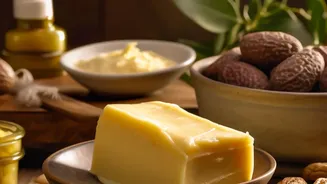
Before commercially produced yellow butter became a household regular, there was homemade white butter, known affectionately as 'makkhan'. Its cultural roots run deep in India, famously associated with Lord Krishna's childhood love for it and a staple
on parathas and rotis in countless homes. This traditional butter is made by churning malai (cream) collected from milk, resulting in a product that is fresh, unsalted, and minimally processed. Unlike its factory-made counterpart, homemade makkhan is celebrated for its pure, creamy texture and a milder flavour that has been a cherished part of the Indian culinary landscape for centuries. The renewed interest in traditional foods has brought white butter back into the spotlight, prompting many to wonder about its health profile compared to the salted, yellow blocks in supermarkets.
White Butter vs. Yellow Butter: What's the Difference?
The most obvious difference is colour, which stems from the cow's diet. Yellow butter typically comes from grass-fed cows, whose milk is rich in beta-carotene, a pigment that gives the butter its golden hue. White butter is often made from the milk of grain-fed cows or buffaloes, which has a lower beta-carotene content, resulting in a paler colour. Beyond colour, there are other key distinctions. Homemade white butter is usually unsalted, whereas commercial yellow butter often contains added salt, which acts as a preservative. Some sources suggest that white butter may have a lower saturated fat content and fewer milk solids, which could make it easier to digest for those with lactose sensitivity. However, the fundamental nutritional value of both is primarily derived from milk fat; colour alone doesn't determine which is healthier.
A Look at Butter's Nutrient Profile
Butter is a rich source of fat-soluble vitamins, which are crucial for various bodily functions. It is particularly high in Vitamin A, essential for vision, immunity, and skin health. A single tablespoon can provide a significant portion of the daily recommended intake. Butter also contains Vitamin D, which aids in calcium absorption for strong bones, and Vitamin E, a powerful antioxidant. One of the most discussed nutrients is Vitamin K2, specifically the MK-4 form, which plays a vital role in bone and cardiovascular health by helping regulate calcium in the body. Butter from grass-fed cows tends to have higher levels of Vitamin K2. While butter provides these vitamins, it's also a calorie-dense food, so moderation is important.
The Good Fats: Butyrate and CLA
Butter is one of the richest dietary sources of a short-chain fatty acid called butyrate, from which it gets its name. Butyrate is the primary fuel source for the cells lining our colon, helping to maintain a healthy gut barrier and reduce inflammation. While our gut bacteria produce most of our butyrate by fermenting fibre, the pre-formed butyrate in butter provides a direct source. Additionally, butter, especially from grass-fed animals, contains Conjugated Linoleic Acid (CLA). CLA is a fatty acid that studies suggest has anti-inflammatory properties and may play a role in boosting immunity.
Health Perks and Important Considerations
When consumed in moderation, homemade white butter can offer several benefits. Its rich content of vitamins A, D, and E can support the immune system and promote healthy skin. The presence of lecithin may aid in the metabolism of fats. The butyrate content directly supports digestive health by nourishing the intestinal lining. However, it's crucial to remember that butter is high in calories and saturated fat. While some saturated fats are necessary, excessive intake is linked to health concerns. Therefore, the key to enjoying white butter is balance. It can be a wholesome part of a varied diet, but it should not be consumed in large quantities.
How to Make Your Own Makkhan at Home
Making white butter at home is a simple process that reconnects you with traditional food practices. Start by collecting the thick cream (malai) that forms on top of full-fat milk after it has been boiled and cooled. Accumulate this cream in a container in the refrigerator for several days. Once you have a sufficient amount, transfer the cream to a large bowl or blender. You can add a little cold water or a few ice cubes to help the butter separate. Churn the cream using a hand blender, a stand mixer, or even a traditional wooden churner. After a few minutes of churning, you will see solid butter begin to separate from the liquid buttermilk. Gather the solid butter into a ball, squeezing out any excess buttermilk. Your fresh, unsalted white butter is now ready to be enjoyed.