







From UDAN to Viksit UDAN: What's New?
Launched in 2016, the Ude Desh ka Aam Naagrik (UDAN) scheme's goal was simple: connect India's underserved and unserved airports to make flying affordable. Now, the government has launched a modified version, Viksit UDAN, which was approved in March 2026
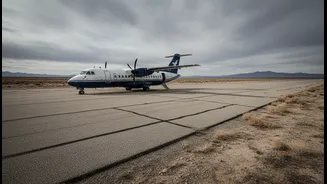
with a massive outlay of nearly ₹29,000 crore over the next ten years. The new approach marks a significant shift. Instead of focusing just on subsidising airline routes, there's a much stronger emphasis on building and upgrading infrastructure. The plan includes developing 100 aerodromes from existing airstrips, creating 200 modern helipads, and providing funds for the operations and maintenance of these regional airports. This new phase also continues to provide Viability Gap Funding (VGF)—a subsidy to airlines to cover losses on commercially unviable routes—to keep operations going.
The Benefits: More Wings for Small-Town India
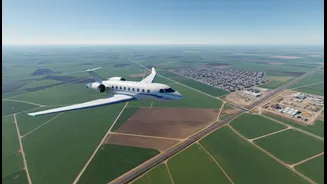
The primary benefit remains enhanced connectivity for Tier-2, Tier-3, and remote regions. Since its inception, UDAN has operationalised hundreds of routes and connected dozens of new locations, including heliports and water aerodromes, allowing over 1.6 crore people to fly. Viksit UDAN aims to build on this by enabling an estimated 40 million additional passenger journeys in the coming decade. This expansion is expected to be a powerful engine for economic development, boosting tourism, trade, and employment in areas that were previously hard to reach. It also improves access to critical services like healthcare in remote areas by drastically cutting travel time. Furthermore, the scheme promotes the use of indigenous aircraft, such as HAL Dhruv and Dornier platforms, aligning with the Atmanirbhar Bharat initiative.
The Turbulence: Key Risks and Challenges
Despite its successes, the UDAN scheme has faced significant turbulence. A major challenge is the financial sustainability of the routes. Many routes have been discontinued after airlines found them commercially unviable, even with subsidies. As of early 2026, roughly half of the 663 routes operationalised under UDAN had been discontinued. A 2023 CAG report pointed to several implementation issues, noting that of the routes started under the first three phases, only 30% completed their full three-year concession period. Airlines operate on thin margins, and once the VGF support ends after a few years, many pull out due to low passenger demand. Other hurdles include delays in upgrading airport infrastructure, a lack of landing slots at major metro airports, and increasing competition from improved road and rail networks, like the Vande Bharat Express trains.
The Reader Takeaway: What It Means for You
For the average citizen, Viksit UDAN promises more direct flight options to smaller towns and tourist spots that were previously accessible only by long road or rail journeys. This could mean more convenient travel for business, leisure, and visiting family. The continued fare caps on a certain number of seats mean that affordable tickets will still be available, though the challenge will be to ensure these routes are sustained long-term. The shift in focus towards building robust infrastructure is a positive sign, as it addresses one of the key weaknesses of the earlier phases. However, the success of Viksit UDAN will ultimately depend on whether it can create a model where regional routes become self-sustaining without indefinite government support. While the ambition to connect every corner of the country is commendable, the real test lies in keeping these new flight paths open and operational for years to come.