




The Science of the Sogginess
Ever wonder why frozen vegetables release so much water? When vegetables are frozen, the water inside them forms ice crystals. These sharp crystals puncture the cell walls of the vegetable. As they cook, these ruptured cells release all their water, creating
a puddle in your pan or on your baking sheet. If you've ever tried boiling your frozen veggies, you know this leads to a mushy, waterlogged texture. Adding salt too early only makes this worse. Through a process called osmosis, salt naturally draws moisture out of food, which contributes to even more liquid in the pan and prevents the vegetables from browning.
Why Waiting to Season Is Key
Seasoning vegetables swimming in water is a recipe for blandness. The spices and herbs simply get diluted by the excess moisture, essentially getting washed away before they have a chance to stick. By waiting until that water has cooked off, you create a dry surface for seasonings to adhere to. This allows the flavours to coat the vegetables directly, rather than floating in a puddle of vegetable-infused water. For spices to truly shine, they need to make contact with the vegetable itself, and often a bit of fat like oil or butter, which you should also add after the water has evaporated.
Mastering High-Heat Cooking Methods
To effectively get rid of that excess water, high heat is your best friend. Forget boiling or even steaming in most cases, as these methods introduce more water. Instead, opt for roasting or sautéing. For roasting, preheat your oven and your baking sheet to a high temperature, around 220-230°C (425-450°F). Spread the frozen vegetables in a single layer, ensuring they aren't crowded, which would cause them to steam. Let them roast until the water has evaporated and they start to caramelize. For sautéing, use a wide pan over medium-high heat. Add the frozen vegetables directly to the hot, dry pan and let them cook, stirring occasionally, until the sizzling subsides and the pan is dry.
The Perfect Seasoning Sequence
Once the water is gone, it's time to build flavour. The sequence matters. First, add your fat—a drizzle of olive oil or a knob of butter. Toss the now-dry vegetables to coat them evenly. This fat not only prevents sticking but also helps the seasonings cling to the surface and distributes fat-soluble flavours. Immediately after adding the oil, sprinkle on your salt, pepper, and any other dry spices like garlic powder, onion powder, or smoked paprika. Toss everything again to ensure every piece is well-coated. If you're using fresh herbs or a squeeze of lemon juice, add those at the very end of cooking, or even after you've taken the pan off the heat, to preserve their bright, fresh flavours.
Flavour Combinations to Try
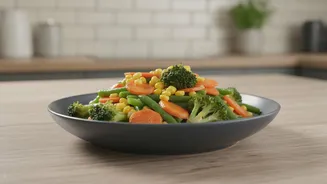
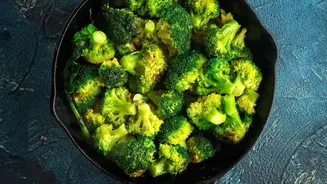
Now that you've mastered the technique, it's time to get creative. Move beyond simple salt and pepper and explore combinations that elevate your vegetables from a side dish to a highlight of the meal. Try tossing roasted broccoli with garlic powder, red pepper flakes, and a sprinkle of Parmesan cheese. A frozen mix of peppers and onions is transformed by sautéing with cumin, smoked paprika, and a squeeze of lime juice. For a simple but elegant flavour boost, try a classic Italian seasoning blend on a mix of green beans and carrots. You can also finish your cooked vegetables with a drizzle of balsamic glaze or toss them in a zesty vinaigrette for an extra layer of complexity.