





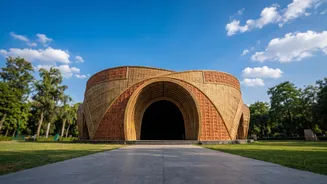
A City Transformed into an Art Gallery
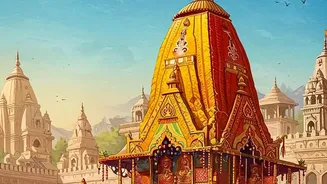
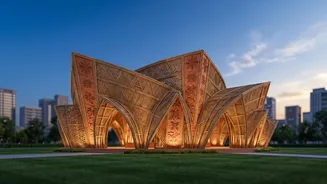
More than just a religious festival, Durga Puja in Kolkata is the world's largest public art exhibition. Every year, the city's neighbourhoods, or 'paras', engage in friendly but fierce competition to build the most innovative and breathtaking 'pandals'—temporary
temples that house the idol of Goddess Durga. These aren't just simple structures; they are elaborate, architectural marvels built around specific themes. Themes can range from replicas of famous world monuments and ancient temples to commentary on social issues and abstract artistic concepts. With over 3,000 community pandals, the entire city becomes an open-air gallery, inviting millions to wander its streets in an activity affectionately known as 'pandal hopping'. This transformation of public spaces into immersive art installations is a primary reason travellers flock to the city.
The Power of UNESCO-Backed Heritage
In 2021, UNESCO recognised 'Durga Puja in Kolkata' as an Intangible Cultural Heritage of Humanity. This prestigious tag wasn't just for the spectacle, but for the festival's role in fostering community, creativity, and inclusivity. It acknowledged how the event brings together people across class, religion, and ethnicity, and functions as a major creative economy, estimated to contribute over 2.5% to West Bengal's GDP. This international recognition has further cemented Kolkata’s status, elevating it from a regional celebration to a global cultural phenomenon and validating what locals have always known: this festival is unique. It celebrates heritage not as a relic in a museum, but as a living, breathing practice passed down through generations.
A Tale of Two Pujas: Grand Themes and Quiet Traditions
While the massive themed pandals in areas like South Kolkata, such as Suruchi Sangha and Ekdalia Evergreen, draw massive crowds, Kolkata offers a dual experience that other cities struggle to replicate. This is the world of the 'Bonedi Bari' Pujas, the traditional festivals held in the centuries-old ancestral homes of Kolkata's erstwhile aristocratic families. These pujas, like the ones at Sovabazar Rajbari and Pathuriaghata Khelat Ghosh's house, offer a glimpse into a bygone era. Here, the focus is less on grand themes and more on meticulous rituals, some of which have been performed unchanged for over 200 years. This blend of the spectacular and the traditional allows visitors to experience both the contemporary pulse of the festival and its deep historical roots, a richness few other destinations can offer.
The Unbeatable Festive Energy
The claim that Kolkata leads the travel map isn't just anecdotal. Ahead of the 2026 Puja, which begins on October 16, airfares into the city have seen a dramatic spike, in some cases nearly doubling compared to normal rates. This surge points to a massive influx of visitors, from both the Bengali diaspora returning home and tourists eager for the experience. For five days, the city truly never sleeps. Streets are packed with revellers until the early morning hours, the air is thick with the aroma of street food, and the sound of dhak drums provides a constant, rhythmic heartbeat. This collective effervescence, a city-wide atmosphere of shared joy and celebration, is an intangible but powerful draw. While cities like Mumbai, Delhi, and Bengaluru host their own wonderful Pujas, they often feel like localised events within a larger metropolis. In Kolkata, the festival is the city itself.