






What Exactly is 'Proffee'?
At its core, 'proffee' is simply a combination of coffee and protein, designed to deliver the energy-boosting effects of caffeine alongside the muscle-repairing and satiating benefits of protein. The trend, popularised on platforms like TikTok, involves
either adding a scoop of protein powder (like whey, casein, or plant-based options) to a hot or iced coffee, or pouring a ready-to-drink protein shake into a shot of espresso. Its appeal is clear: it’s a convenient, two-in-one solution for busy mornings, promising to keep you full, focused, and energised, potentially aiding in weight management and fitness goals.
The Allure of a Morning Boost
Fans of protein coffee claim it helps them power through workouts and curb mid-morning hunger pangs. Protein is known to increase feelings of fullness, which can help reduce overall calorie intake throughout the day. When combined with the caffeine from coffee, which can boost metabolism and improve workout performance, the drink seems like a perfect match for those with active lifestyles or weight loss goals. For individuals who often skip breakfast, adding protein to a morning coffee seems like an easy way to get in this crucial macronutrient without preparing a full meal.
A Dietitian's Word of Caution
While the idea is appealing, nutrition experts urge a more balanced perspective. A key concern is that 'proffee' is often used as a meal replacement, which it is not. Many protein powders or shakes lack the essential carbohydrates, fats, vitamins, and fibre found in a balanced meal. Relying solely on a protein-spiked coffee can leave you feeling hungry later and may lead to an imbalanced diet. Furthermore, many commercially available protein powders and shakes can be high in sugar, artificial sweeteners, or other additives, which can add unnecessary calories and negate some of the intended health benefits. It's crucial to read labels carefully.
Does it Interfere with Nutrient Absorption?
A common question is whether coffee itself can hinder the body's ability to use the added protein. The good news is that most current evidence suggests caffeine does not significantly block protein absorption. Some older research pointed to tannins, compounds found in coffee and tea, as potentially having a negative effect on protein digestion, especially with darker roasts. However, the general consensus is that for most people, this effect is not a major concern. The heat from hot coffee might slightly alter the protein's structure, a process called denaturation, but this doesn't reduce its nutritional value and may even aid in digestion.
How to Make a Smarter 'Proffee'
If you do choose to try protein coffee, experts suggest a few guidelines to make it a healthier part of your routine. First, don't treat it as a substitute for a whole meal. Think of it as a supplement to a light, balanced breakfast, such as a piece of fruit or whole-grain toast. When choosing a protein powder, opt for one with minimal added sugar (less than 5 grams per serving is a good rule of thumb) and a short ingredient list. To avoid clumping, mix the protein powder with a small amount of room temperature liquid to form a paste before adding it to your hot coffee, or simply blend it into a cold brew smoothie.
Wholesome Breakfast Alternatives
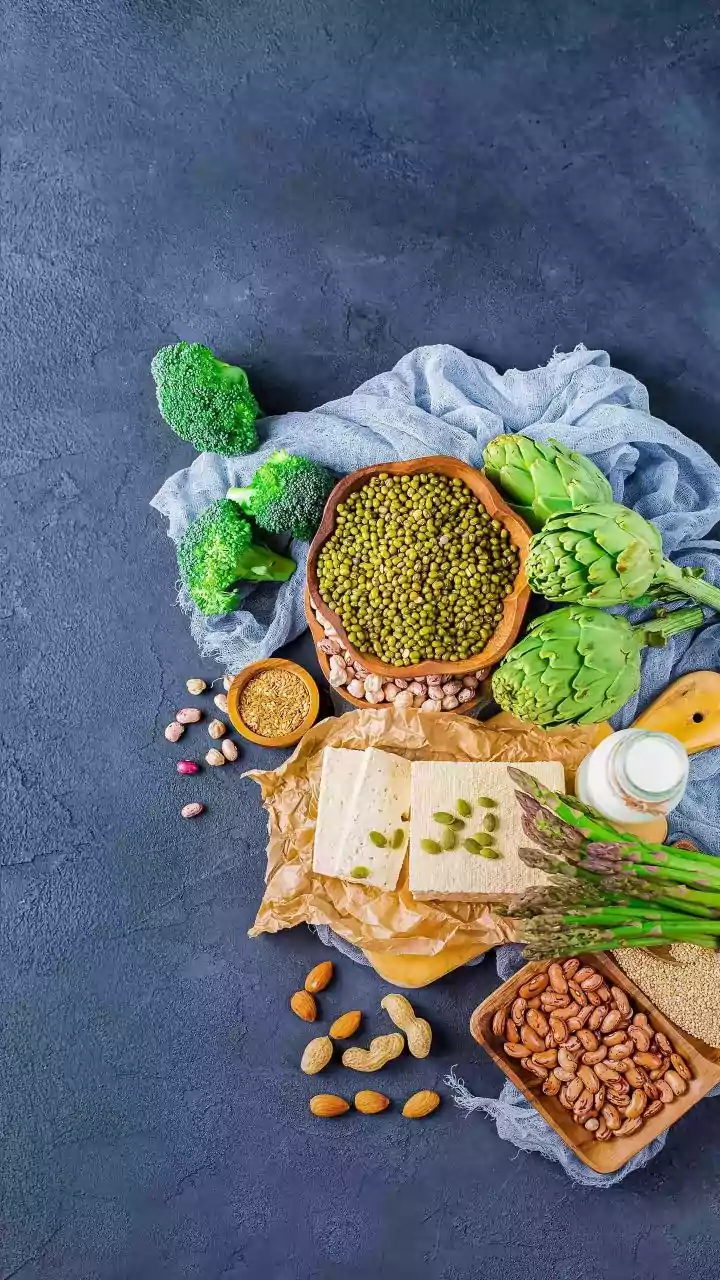
Before jumping on the 'proffee' bandwagon, consider if a whole-food breakfast might be a better choice. There are many quick and easy options that deliver a powerful protein punch along with other vital nutrients. A bowl of Greek yogurt with berries and nuts offers protein, fibre, and antioxidants. Cottage cheese is another excellent source of protein that pairs well with fruit. For a plant-based option, a tofu scramble, a smoothie made with soy milk and seeds, or even a simple slice of whole-grain toast with peanut butter can provide a satisfying and nutritionally complete start to your day.