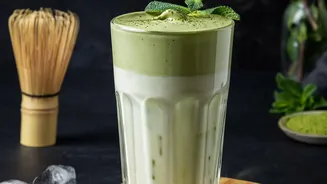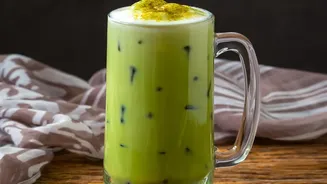




The Rise of the Milky Green Giant
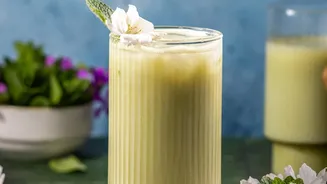
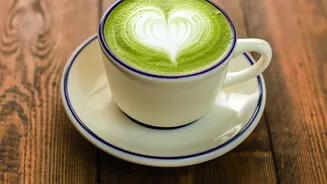
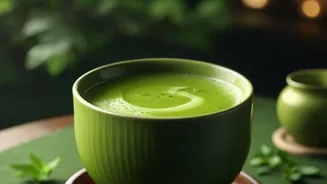
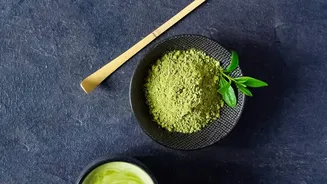
Not long ago, matcha was a niche ingredient, primarily known for its central role in traditional Japanese tea ceremonies dating back centuries. Its mainstream introduction to much of the world came in the form of the matcha latte. This creamy, slightly
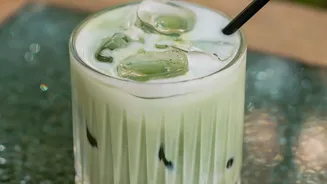
sweet, and earthy beverage positioned itself as the perfect coffee substitute—offering caffeine with a calmer, more sustained energy release thanks to the amino acid L-theanine. Cafes embraced it, and soon the green-hued cup became a familiar sight, synonymous with wellness culture and a softer alternative to the high-intensity jolt of an espresso-based latte.
A Splash of Fruity Color
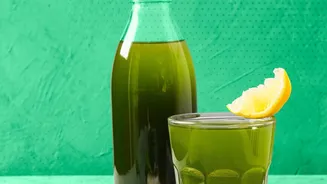
The latest evolution sees matcha shedding its purely earthy persona and embracing a brighter, sweeter side. The trend of adding real fruit purees—most notably strawberry, mango, and peach—is transforming both the flavor and appearance of matcha drinks. This combination often results in a visually stunning layered beverage, with a vibrant pink or orange base topped with the iconic green of matcha. The natural sweetness and acidity of the fruit cut through matcha's inherent bitterness, creating a more accessible and indulgent profile that appeals to a wider audience, including those who may have found traditional matcha too intense. Pairings with citrus fruits like yuzu and lemon are also gaining popularity, offering a zesty, refreshing twist.
Enter the World of Fizz
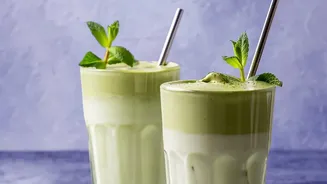
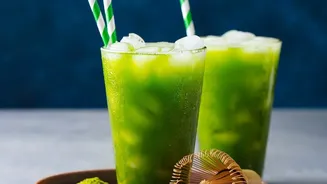
Beyond fruit, carbonation is giving matcha another new playground. Sparkling matcha, or matcha soda, is emerging as a sophisticated, energizing alternative to sugary soft drinks. By combining a prepared matcha shot with sparkling water and often a hint of citrus or mint, this drink offers a light, crisp, and invigorating experience. The fizziness elevates matcha’s complex flavor profile in a surprising way, creating a beverage that feels more like a creative mocktail than a tea. This move into sparkling drinks firmly separates matcha from the world of warm, milky lattes, positioning it as a refreshing choice for a hot afternoon or a non-alcoholic option for social occasions.
Why Is This Happening Now?
Several factors are driving this creative explosion. Social media platforms have played a huge role; the striking visual contrast of a strawberry matcha latte is perfectly suited for an Instagram feed, driving curiosity and demand. Furthermore, there is a growing consumer desire for more complex and interesting non-alcoholic beverages. As people look for more than just standard juice or soda, matcha provides a versatile and functional base for innovation. This new generation of drinks appeals to a younger demographic's palate, which is often more open to hybrid flavors and photogenic food experiences.
A New Identity, Not a Replacement
These fruity and fizzy creations aren't here to replace the beloved matcha latte or the revered traditional preparation. Instead, they are carving out a distinct, third space for the ingredient. While the latte continues its reign as a wellness-focused coffee competitor, these new drinks position matcha as a versatile component for fun, flavor-forward beverages. This shift signifies a maturation of matcha in the global market. It's no longer just an exotic alternative; it's a mainstream ingredient ready to be mixed, layered, and reimagined in countless ways, much like coffee, chocolate, or vanilla.