






Why Is India Blending Ethanol in Petrol?
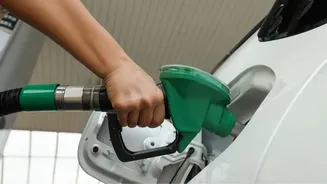
The Ethanol Blended Petrol (EBP) programme is a cornerstone of India's energy strategy with three main goals. First, it aims to reduce the country's massive oil import bill, saving valuable foreign exchange. Second, it provides an economic boost to the agricultural
sector, particularly sugarcane and maize farmers who supply the raw materials for ethanol production. Third, it's an environmental measure; because ethanol contains oxygen, it helps fuel burn more completely, reducing harmful tailpipe emissions. The journey started over two decades ago, moving from a pilot program in 2001 to achieving a 10% blend (E10) nationwide by 2022, before setting a more aggressive target.
The Ambitious Leap to E20
The government's roadmap originally aimed for 20% ethanol blending (E20) by 2030, but this target was fast-tracked to 2025. This accelerated timeline reflects the urgency to secure India's energy supply and meet climate goals. Since April 2023, all new petrol vehicles manufactured in India are required to be E20-compliant, and oil marketing companies have been progressively rolling out E20 fuel across the country. Proponents, including Union Minister Nitin Gadkari, argue that E20 offers benefits like a higher octane rating, which can lead to better acceleration and a smoother ride, along with significantly lower carbon emissions compared to E10.
The Compatibility Conundrum
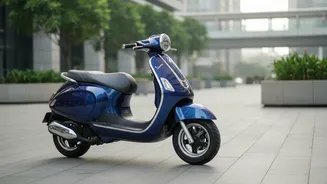
The primary challenge with the E20 mandate is its effect on the vast number of older vehicles—cars and two-wheelers manufactured before the E20 compliance era. Ethanol is more corrosive than petrol and can degrade certain rubber and plastic components in the fuel systems of non-compliant vehicles, such as fuel lines, seals, and gaskets. This has led to consumer complaints about potential engine damage and performance issues. While government officials and studies by agencies like the Automotive Research Association of India (ARAI) have stated that extensive testing showed no major adverse effects on engine durability, they acknowledge potential issues with specific components. There's also the matter of fuel efficiency; E20 has a slightly lower energy density, which can result in a mileage drop of around 3-5%.
The Resurfacing Case for E10
In response to these concerns, a strong argument is emerging for a dual-fuel strategy. The idea is not to halt the E20 programme but to continue making E10 petrol available for owners of older, non-compliant vehicles. Recently, a government adviser publicly recommended bringing back a lower-blend petrol variant to protect the existing fleet, especially two-wheelers that use carburettors, which cannot automatically adjust to the different fuel-air mixture required by E20. This pragmatic approach would allow India to continue pursuing its long-term ethanol blending goals with new E20-compatible vehicles, while preventing potential harm to millions of older vehicles still on the road.
What This Means for Vehicle Owners
If you own a vehicle manufactured from April 2023 onwards, it is designed to be fully E20-compatible, and you should face no issues. For owners of older vehicles, the situation is more complex. While the government and auto industry body SIAM have sought to reassure the public, concerns remain. Experts suggest that prolonged use of E20 in an older, non-compatible vehicle could lead to maintenance issues down the line. The debate highlights the need for continued availability of E10 fuel to serve this large segment of vehicle owners. Until a clear long-term solution is in place, owners of pre-2023 models should remain aware of the type of fuel they use and pay close attention to their vehicle’s performance and maintenance needs.