




The Science of Ripening: Meet Ethylene
To understand why a paper bag works, you first need to meet ethylene. Ethylene is a natural plant hormone, released as a colourless, odourless gas, that plays a crucial role in the lifecycle of many fruits. For certain types of fruit, known as 'climacteric'
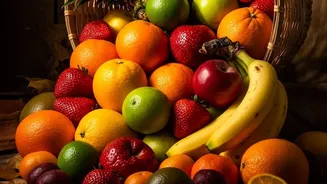
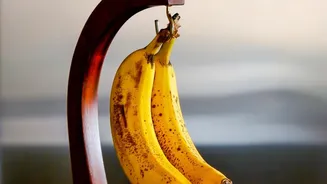
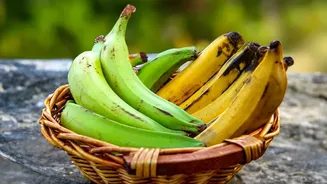
fruits, ethylene acts as the primary trigger for ripening. Bananas, along with apples, pears, avocados, and tomatoes, are all high ethylene producers. As these fruits mature, they produce more and more ethylene gas, which in turn signals the fruit to convert starches into sugars, soften its texture, and change the colour of its skin—the very processes we recognize as ripening. This creates a feedback loop: the more a banana ripens, the more ethylene it releases, which then accelerates further ripening.
Why the Paper Bag is the Perfect Tool
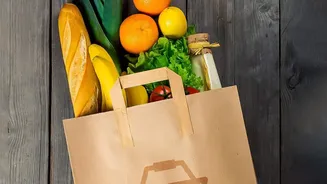
The magic of the paper bag lies in its unique properties. When you place bananas inside and loosely fold the top, you create a contained environment that traps the ethylene gas the fruit naturally emits. This concentration of ethylene significantly speeds up the ripening process. Unlike a plastic bag, which would also trap ethylene, a paper bag is breathable. This is a critical difference. Paper allows excess moisture to escape and lets just enough oxygen in for the fruit to respire, which is essential for the chemical reactions of ripening. A sealed plastic bag, on the other hand, traps moisture, creating a humid environment that can lead to sweating, mould growth, and an unpleasant, mushy texture instead of an evenly ripened fruit.
A Simple Step-by-Step Guide
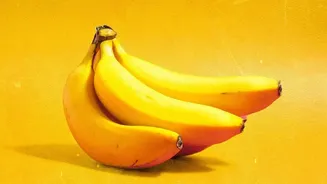
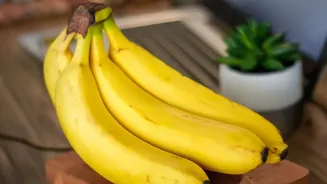
Harnessing this natural process is incredibly simple. Start with your bunch of green or greenish-yellow bananas. Place them inside a standard brown paper bag. There’s no need to seal it tightly; just fold the top over once or twice. Leave the bag on your kitchen counter at room temperature. For an extra boost, you can add an already ripe fruit to the bag, like an apple or a pear. These fruits are also potent ethylene producers and will supercharge the process, helping your bananas ripen even faster. Check on them once or twice a day. Depending on how green they were to start, they could be perfectly yellow and ready to eat in as little as 12 to 48 hours. Remove them from the bag once they reach your desired level of ripeness to prevent them from becoming too soft.
What Not to Do: Common Ripening Mistakes
While the paper bag trick is effective, a few common mistakes can derail your efforts. As mentioned, avoid using sealed plastic bags, which promote rot rather than proper ripening. Another common error is refrigerating unripe bananas. Cold temperatures halt the ripening process almost entirely and can cause the peel to turn a dark, unappetizing black, even if the fruit inside remains hard and starchy. You should only place bananas in the fridge after they have fully ripened to slow down further ageing. Also, if you want your bananas to ripen, keep them in a bunch. Separating them slows down ripening because a bunch collectively produces and shares a higher concentration of ethylene gas.
Beyond Bananas: Other Fruits That Benefit
This handy ripening trick isn't just for bananas. It works for any climacteric fruit that ripens after being picked. Have a rock-hard avocado, a firm peach, or an underripe pear? The paper bag method is your solution. The same principle applies: place the fruit in the bag, fold the top, and let its own ethylene gas work its magic. Tomatoes that are a little too pale and mangoes that are a bit too firm will also benefit from this treatment. By understanding which fruits respond to ethylene, you can take control of your fruit bowl, ensuring you have perfectly ripe produce ready right when you want it, and ultimately reducing food waste in your kitchen.