
The Deceptive Danger of an Eclipse
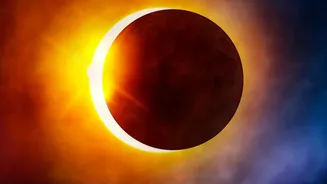
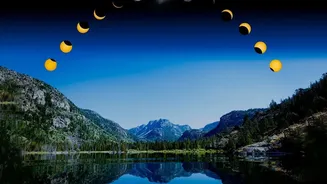
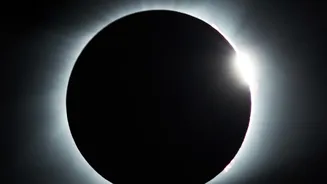
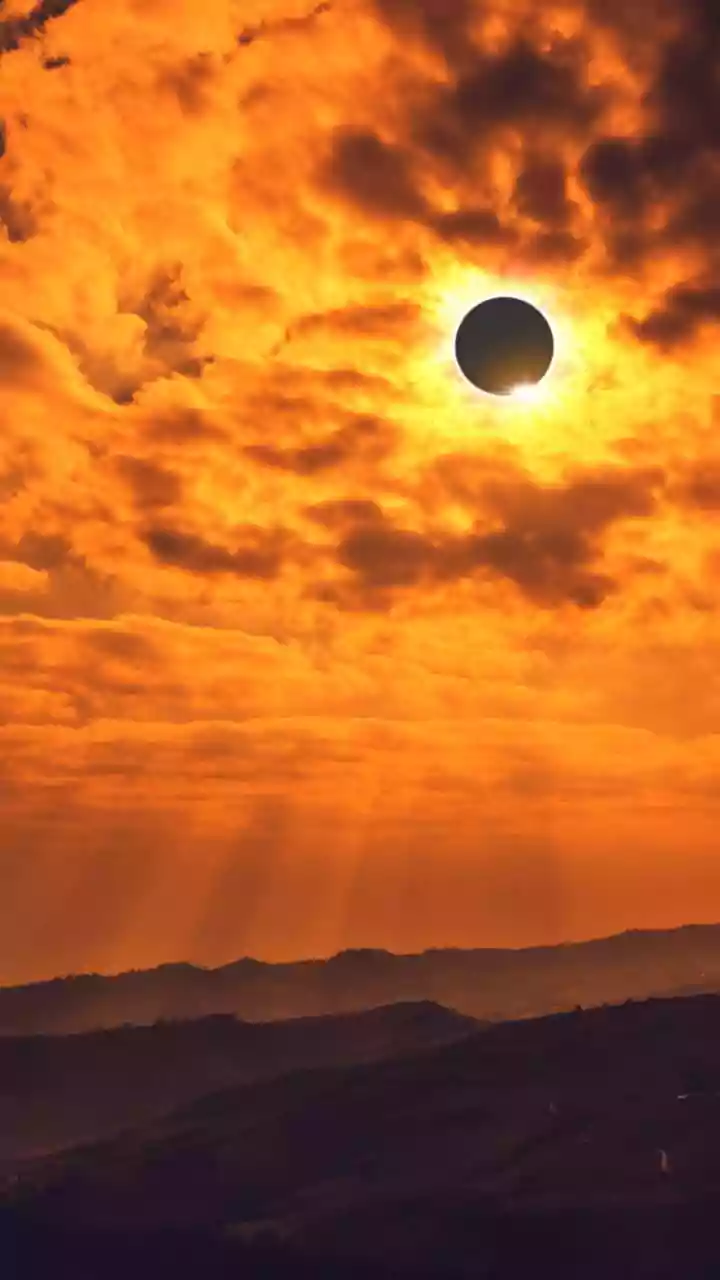
On a normal day, the sun is so intensely bright that looking at it is painful, causing an instinctual reflex to squint or turn away. This discomfort is a protective mechanism. During a solar eclipse, however, the moon blocks a large portion of the sun's
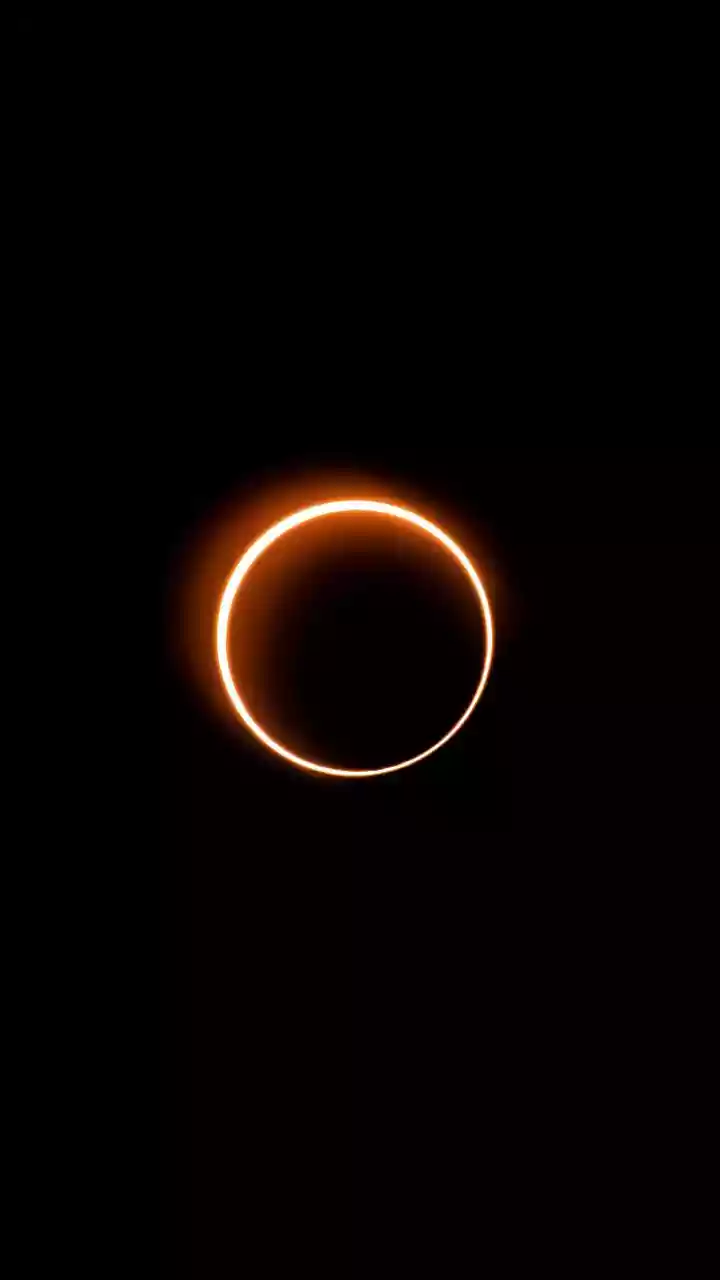
surface, reducing its overall brightness. This makes it feel more comfortable to stare, tricking your brain into thinking it's safe. But the remaining visible parts of the sun still emit focused, high-energy ultraviolet (UV) and infrared (IR) radiation that can be incredibly harmful. The danger is that the damage happens without any sensation of pain, as the retina has no pain receptors. You won't know your eyes are being harmed until hours later, when the symptoms begin to appear.
What Is Solar Retinopathy?
The condition caused by looking at the sun is called solar retinopathy. It's essentially a burn on the retina, the light-sensitive tissue at the back of your eye responsible for clear, central vision. The eye's lens acts like a magnifying glass, concentrating the sun's intense rays onto a tiny spot on the retina, damaging or destroying the photoreceptor cells. Symptoms often don't appear for a few hours and can include blurred vision, blind spots (scotoma) in your line of sight, distorted vision where straight lines appear wavy, and altered colour perception. In severe cases, the damage is permanent and can significantly impair daily activities like reading or recognizing faces. While some vision may recover over months, there is no specific medical treatment to reverse the damage.
Why Regular Sunglasses Are Not Enough
It's a common and dangerous misconception that dark sunglasses offer protection for eclipse viewing. They do not. Standard sunglasses are designed to reduce the brightness of visible light to make your surroundings more comfortable. They might block some UV light, but they do nothing to filter out the overwhelming intensity of the solar radiation present during an eclipse. In fact, by making it darker, they can cause your pupils to dilate, potentially allowing even more harmful radiation to enter the eye. Welding goggles are also not a safe alternative unless they are a specific shade (Shade 12 or higher), and even then, certified eclipse glasses are the recommended choice.
The Gold Standard: ISO-Certified Glasses
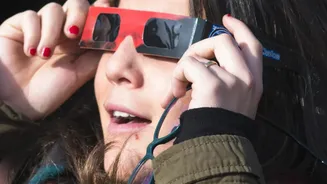
The only way to safely look directly at a partial solar eclipse is through special-purpose solar filters, such as those found in certified “eclipse glasses” or handheld viewers. These are not just dark sunglasses; they are thousands of times darker and must meet a specific international safety standard known as ISO 12312-2. This standard ensures the filters block 100% of harmful UV and IR light and 99.999% of intense visible light. When buying glasses, always look for the ISO 12312-2 designation from a reputable vendor. Before use, inspect the lenses for any scratches, punctures, or tears, as any damage compromises their safety.
Safe Viewing Without Special Glasses
If you don't have eclipse glasses, you can still enjoy the event safely through indirect viewing methods. The most common is a pinhole projector. You can create one by punching a small, round hole in a piece of cardstock. With your back to the sun, hold the card up and let the sunlight pass through the hole onto another surface, like a second piece of paper or the ground. This will project a small, safe-to-view image of the eclipsed sun. Household items like a kitchen colander or even the spaces between tree leaves can create a similar effect, projecting multiple crescent suns onto the ground. The key is to watch the projected image, never to look at the sun through the pinhole itself.