




India's Salt Problem
It's no secret that high salt consumption is a major health concern in India. The average Indian consumes 8 to 11 grams of salt daily, nearly double the World Health Organization's recommended limit of 5 grams. This excessive sodium intake is a primary
driver of high blood pressure (hypertension), which in turn contributes significantly to the nation's burden of cardiovascular diseases and stroke. In response, health bodies like the Indian Council of Medical Research (ICMR) and expert panels have been advocating for strategies to cut down the nation's salt habit. With most of this salt being added during home cooking, one of the most promising solutions being discussed is the adoption of low-sodium salt substitutes.
What Are Low-Sodium Salts?
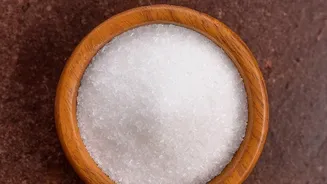
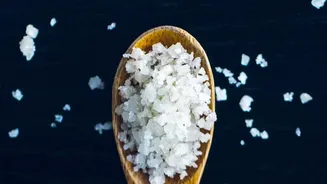
Low-sodium salt substitutes, often abbreviated as LSSS, are products that look and taste very similar to regular table salt but contain less sodium. They achieve this by replacing a portion of the sodium chloride (NaCl) with another mineral, most commonly potassium chloride (KCl). Typically, these substitutes are composed of about 70-75% sodium chloride and 25-30% potassium chloride. For the general population, this is a double win: it reduces the intake of harmful sodium while increasing the intake of potassium, a mineral that actively helps to lower blood pressure. This has led many Indian health experts to recommend them as a key public health intervention.
The Hidden Danger: Potassium and Kidneys
While beneficial for most, this added potassium is precisely what makes these salts dangerous for a specific group: people with Chronic Kidney Disease (CKD). Healthy kidneys are experts at filtering waste from the blood, including excess potassium, which is then removed from the body through urine. However, when kidney function is impaired, this filtering system breaks down. The kidneys can no longer effectively excrete potassium, allowing it to build up in the bloodstream. This condition is known as hyperkalemia, or high potassium.
Why Hyperkalemia Is a Medical Emergency
Hyperkalemia is a serious and potentially fatal condition. Elevated potassium levels can interfere with the electrical signals in the heart, leading to dangerous and irregular heartbeats (arrhythmias), muscle weakness, and, in severe cases, cardiac arrest and sudden death. What makes it particularly insidious is that it can often be asymptomatic until it reaches a critical stage. Someone using a potassium-enriched salt might feel fine, unaware of the dangerous buildup occurring in their body. This risk is amplified for patients who are also on certain common blood pressure medications, like ACE inhibitors or ARBs, which can also raise potassium levels.
A Silent Epidemic in India
The scale of Chronic Kidney Disease in India makes this a critical issue. An estimated 17% of the adult population has some form of CKD, but because the early stages are often silent with no obvious symptoms, a vast number of people remain undiagnosed. Many individuals might not know their kidneys are compromised, making them unknowingly vulnerable to the risks of potassium-enriched salts. Experts warn that widespread, unmonitored use of these substitutes could inadvertently harm the very population that is already at high risk for cardiovascular events.
The Experts' Balanced Recommendation
Recognizing this dual reality, Indian health experts and medical bodies are advocating for a balanced approach. While they strongly support low-sodium, potassium-enriched salts as a population-level strategy to combat hypertension, they also stress the need for 'appropriate safeguards'. The consensus is that these products should come with clear warning labels advising against their use by individuals with kidney disease. The key recommendation is not to avoid these salts entirely, but to ensure that their adoption is accompanied by public awareness campaigns and, most importantly, a clear directive for individuals to consult a doctor before making the switch, especially if they have pre-existing conditions like diabetes, hypertension, or a family history of kidney trouble.