







A Literary Feast Is Born
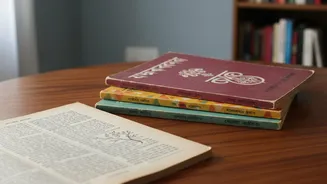
The tradition of the Pujabarshiki, or Sharadiya Sankhya, dates back to the early 20th century. It began as a unique literary event where publishers would release special, bumper editions of their magazines to coincide with the biggest festival of the year.
The concept was simple yet powerful: to bring together the best and brightest of Bengali literature in one place, offering a veritable feast of reading material for the long holidays. Publications from the Ananda Bazar Patrika group, starting in the 1920s and 30s, became pioneers, establishing these annuals as a cultural staple. These were not just magazines; they were curated collections of new novels, short stories, poems, essays, and even plays from the most celebrated authors, creating an unprecedented literary platform.
The Golden Age and Star Authors
The mid-20th century marked the golden era of Pujabarshikis. For decades, they were the most important event in the Bengali literary calendar. Waiting for the annuals from publications like Desh, Anandamela, and Shuktara became a cherished ritual for families. These magazines became the primary launchpad for some of the most iconic characters and series in Bengali literature. Satyajit Ray introduced the world to his master sleuth Feluda and the intrepid scientist Professor Shonku through the pages of Desh and Anandamela. Likewise, Sunil Gangopadhyay's adventurer Kakababu and Samaresh Majumdar's detective Arjun found their first audience here. An entire generation of readers was introduced to literary giants like Sharadindu Bandyopadhyay, Ashapurna Devi, and Shirshendu Mukhopadhyay through these festive editions. The cover art, often created by celebrated artists like Nandalal Bose and Ganesh Pyne, made the magazines collector's items.
More Than Just A Magazine
The Pujabarshiki transcended its literary function to become a cornerstone of Bengali culture and nostalgia. For children, getting their hands on the Anandamela or Shuktara annual was as exciting as getting new clothes for the Puja. These magazines were often hidden by parents until school exams were over, making the reward even sweeter. They became a subject of intense discussion among friends and family, with everyone eager to debate the latest adventures of their favourite characters. This shared experience fostered a collective literary memory, connecting generations through stories and characters that felt like old friends. The arrival of the magazines, with their distinct new-book smell, was a sensory signal that the Pujas were truly here.
Evolution in a Digital World
In recent years, the rise of digital media and changing reading habits have presented a challenge to the traditional print-based Pujabarshiki. While the frenzy may not be what it once was, the tradition is far from over. Publishers continue to release these special editions, which remain in demand among loyal readers. Many publications have also adapted by offering digital versions of their Pujabarshikis to cater to a global audience and younger readers. While some iconic characters have been retired following the passing of their creators, new authors and stories continue to find a platform. The format has evolved, with comic strips and graphic stories of beloved classics like Feluda appearing alongside new novels, ensuring the legacy continues in a new form.