




The Power of Choice
At its core, BMW's strategy, often called 'Power of Choice' or 'Technology Openness', is about flexibility. Instead of creating separate, dedicated platforms for electric vehicles (EVs) and internal combustion engine (ICE) cars, BMW has focused on developing
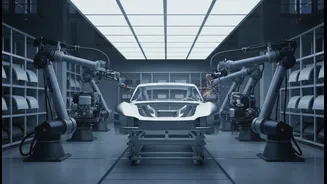
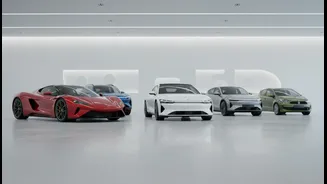
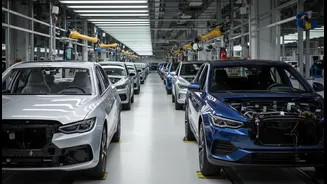
flexible architectures. A prime example is the new X5, which is offered with petrol, diesel, plug-in hybrid, and fully electric powertrains. This allows the company to build different versions of the same model on a single production line, adapting to consumer demand in real-time. If a market wants more diesel X5s, BMW can build them. If demand shifts to the electric iX5, it can pivot without retooling an entire factory. This approach, championed by CEO Oliver Zipse, is rooted in the belief that the global transition to EVs will happen at different speeds in different countries.
A Pragmatic Gamble for India
For the Indian market, this strategy seems particularly astute. While government policy is pushing towards greener mobility and EV adoption is rising, significant hurdles remain. The charging infrastructure is still developing, especially outside major metro areas, and 'range anxiety' is a real concern for a country that loves long road trips. Furthermore, the high upfront cost of premium EVs remains a barrier for many. BMW's approach directly addresses these realities. By continuing to offer and locally produce modern, efficient petrol and diesel engines, they are catering to a large segment of the luxury market that values the convenience, range, and proven nature of ICE vehicles. In H1 2026, while EV sales grew impressively, BMW India's sales mix was still predominantly petrol and diesel, validating the continued demand.
The Risk of Being Left Behind
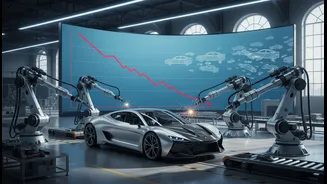
However, BMW's cautious approach is not without risks. Critics argue that by not going all-in on EVs, the company could fall behind rivals like Mercedes-Benz, Audi, and Volvo, which have set aggressive timelines to phase out combustion engines. The argument is that developing flexible platforms results in compromises; an EV on a multi-energy platform may not be as efficient or spacious as one built on a dedicated EV-only architecture. Furthermore, the global perception race is crucial. Being seen as a leader in the EV transition carries significant brand value. If battery technology advances rapidly and charging infrastructure scales faster than anticipated, BMW could find itself playing catch-up, holding onto a technology that the market has decided to leave behind.
Balancing Present and Future
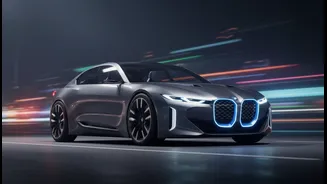
BMW isn't ignoring the electric future; far from it. The company is a leader in India's luxury EV space, with models like the iX1 and i4 driving significant sales growth. The upcoming 'Neue Klasse' platform represents a massive investment in a dedicated, next-generation EV architecture that promises huge leaps in range and performance. Yet, the company is simultaneously investing in making its combustion engines cleaner and more efficient to meet new emission norms. This dual-track strategy is essentially a hedge. It allows BMW to profit from its strong ICE portfolio today while building the foundation for an electric-dominant market tomorrow. As CEO Oliver Zipse has repeatedly stated, banning a technology when global markets aren't ready is a mistake.