



A Record-Breaking Quarter
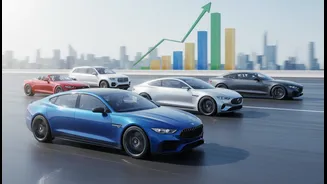
The latest data from the Society of Indian Automobile Manufacturers (SIAM) paints a picture of a robust and accelerating market. For the first quarter of the 2026-27 financial year, every major vehicle segment posted significant double-digit growth. Passenger
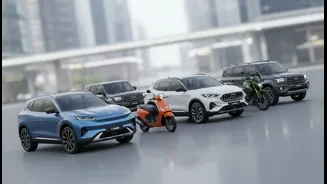
vehicle (PV) sales, which include cars and SUVs, hit an unprecedented 1.27 million units, a leap of nearly 26% compared to the same period last year. Not to be outdone, the commercial vehicle (CV) segment, a crucial barometer of industrial activity, recorded its best-ever Q1 with 2.65 lakh units sold, an increase of 18.3%. The two-wheeler segment, the backbone of personal mobility for millions, also saw a powerful surge, with sales climbing 20.3% to 5.63 million units. This synchronized growth across categories that serve consumers, businesses, and logistics alike points to a broad-based recovery.
Commercial Vehicles Signal Economic Strength
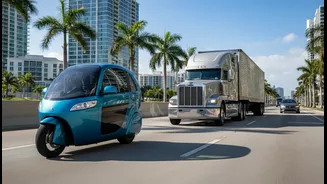
The performance of the commercial vehicle sector is particularly noteworthy for what it says about the wider economy. When sales of trucks and buses are strong, it means more goods are being transported and more infrastructure projects are underway. The 18.3% quarterly growth was driven by healthy demand for everything from heavy-duty trucks to light commercial vehicles used in e-commerce and last-mile delivery. According to the Federation of Automobile Dealers Associations (FADA), June 2026 was the best-ever June for CV retail sales, with freight activity and infrastructure spending being key drivers. Interestingly, rural demand for commercial vehicles grew faster than in urban centers, suggesting that economic activity is picking up steam in agricultural and construction-related regions across the country.
Passenger Cars and SUVs in High Demand
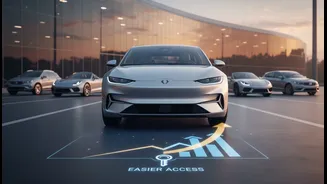
The dream of personal mobility is translating into record sales in the passenger vehicle market. A staggering 1.27 million units were sold in the quarter, marking a historic high. This boom is fuelled by several factors, including rising disposable incomes, easier access to financing, and a growing preference for personal vehicles. The trend of 'premiumization' continues, with consumers increasingly opting for feature-rich models and, most notably, sports utility vehicles (SUVs). UVs alone accounted for nearly 8.62 lakh units, growing by over 28% and now making up about 68% of the entire passenger vehicle market. New model launches and a desire for more space and safety features are propelling this segment forward.
Scooters and Motorcycles Power Ahead
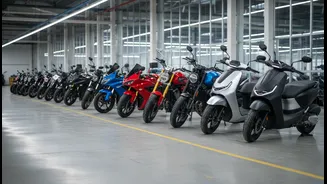
The two-wheeler market, representing the pulse of both urban and rural India, has shown remarkable resilience and growth. Sales of motorcycles and scooters climbed to 5.63 million units for the quarter. This surge is attributed to a combination of factors including a stable employment landscape, the reopening of schools and offices, and better financing options. The electric vehicle (EV) revolution is particularly visible here; electric two-wheeler sales crossed the one million mark in just over six months of 2026, a 54% jump from the previous year. This rapid adoption is driven by rising fuel prices and lower running costs, encouraging many buyers to make the switch to electric.
The Engine Behind the Growth
So, what's driving this comprehensive market expansion? Industry experts point to a confluence of positive factors. Favourable government policies, including lower GST rates, have helped keep vehicle costs in check. The Reserve Bank of India's supportive stance on interest rates has translated into more affordable EMIs for consumers. Furthermore, macroeconomic stability, improving consumer sentiment, and a partial recovery in rural demand have created a fertile ground for sales. While the industry remains watchful of monsoon progress and potential geopolitical headwinds, the current momentum suggests a period of sustained demand as India heads into the festive season.