



The Pilates Method: Control and Precision
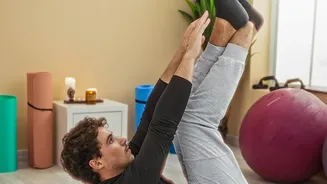
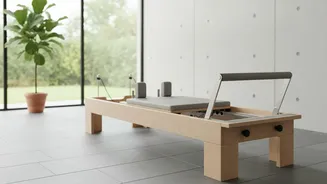
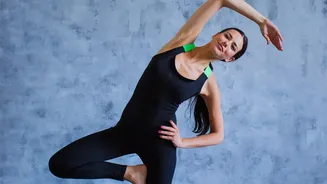
Pilates is a low-impact exercise system designed to improve physical strength, flexibility, posture, and body awareness. Developed by Joseph Pilates, its foundation lies in six key principles: concentration, control, centering, flow, precision, and breathing.
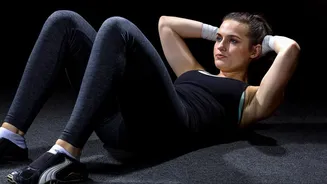
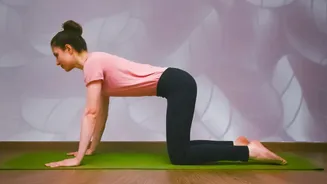
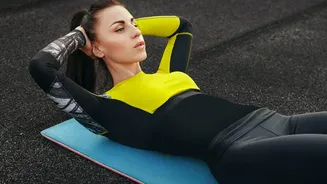
The primary focus is on strengthening the 'powerhouse'—the group of deep muscles in your abdomen, lower back, hips, and glutes that act as the body's stabilizing center. Unlike traditional ab workouts that often target superficial muscles like the 'six-pack' rectus abdominis, Pilates hones in on deep stabilizers such as the transverse abdominis and multifidus. This is achieved through slow, deliberate movements that demand immense control and challenge the body to maintain alignment and stability. The goal isn't muscle fatigue through high repetitions, but mastery of movement.
Circuit Training: Intensity and Caloric Burn
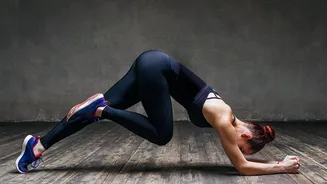
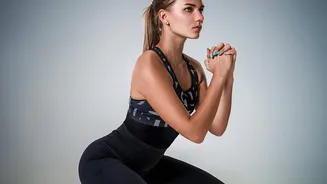
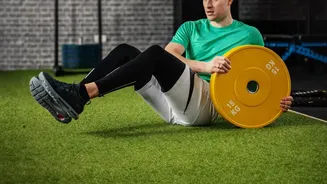
Circuit training is a fast-paced, high-intensity workout style that involves performing a series of different exercises in quick succession with minimal rest. A typical circuit targets multiple muscle groups, combining strength exercises (like push-ups and squats) with cardiovascular elements. The main objective is to keep your heart rate elevated, which maximizes calorie expenditure in a short amount of time. While circuit training definitely engages the core, it's often in a more dynamic, bracing fashion to support larger movements. The intensity of moving quickly from one station to the next forces the entire body to work hard, leading to a significant metabolic boost that can continue even after the workout is over. This 'afterburn effect' makes it an efficient option for those focused on weight loss and overall fitness improvement.
Core Engagement: Deep Stability vs. Dynamic Bracing
The core benefit of Pilates is its unparalleled ability to develop deep muscle control and endurance. It teaches you to activate and coordinate the muscles that support your spine and pelvis, which can improve posture and reduce the risk of back pain. Think of it as building a strong foundation from the inside out. Circuit training, on the other hand, strengthens the core in a more global, dynamic way. Your core works hard to stabilize your body during explosive movements and while lifting weights, but the primary focus is on overall strength and cardiovascular conditioning rather than the isolated, precise control found in Pilates. One study found Pilates was particularly effective at improving pelvic alignment and balance compared to weight circuit training.
The Burn Factor: Calories and Cardio
If your main goal is to burn the maximum number of calories in the shortest time, circuit training has a clear edge. A 30-minute high-intensity circuit session can burn between 400 and 600 calories on average. The continuous movement and elevated heart rate make it a powerful cardiovascular workout. Pilates is a lower-impact, less cardio-intensive activity. An advanced session might burn a similar amount of calories to a brisk walk, while a beginner class burns significantly fewer. However, the goal of Pilates isn't caloric burn. Its value lies in building lean muscle, improving flexibility, and enhancing movement efficiency, which can contribute to a healthier metabolism and body composition over time.
Which Workout Is Right for You?
Choosing between Pilates and circuit training depends entirely on your personal fitness goals. Choose Pilates if: - You want to improve your posture, balance, and flexibility. - You are recovering from an injury or experience chronic back pain, as it is low-impact and focuses on stabilization. - Your goal is to build deep core strength and improve your mind-body connection. Choose Circuit Training if: - Your primary goal is weight loss and maximizing calorie burn. - You enjoy high-energy, fast-paced workouts and have limited time. - You want to improve your overall cardiovascular fitness and muscular endurance simultaneously. For many, the best solution isn't a choice but a combination. Pairing the deep stabilizing work of Pilates with the high-intensity cardio of circuit training can create a well-rounded fitness routine that offers the benefits of both.