



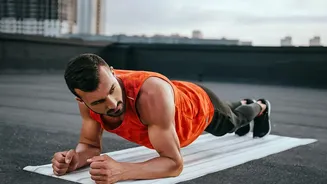
1. Plank with Shoulder Taps
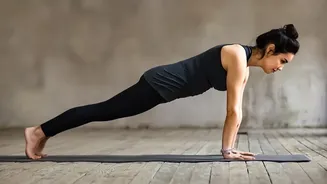
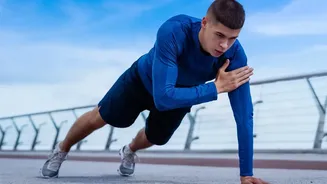
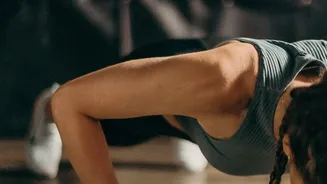
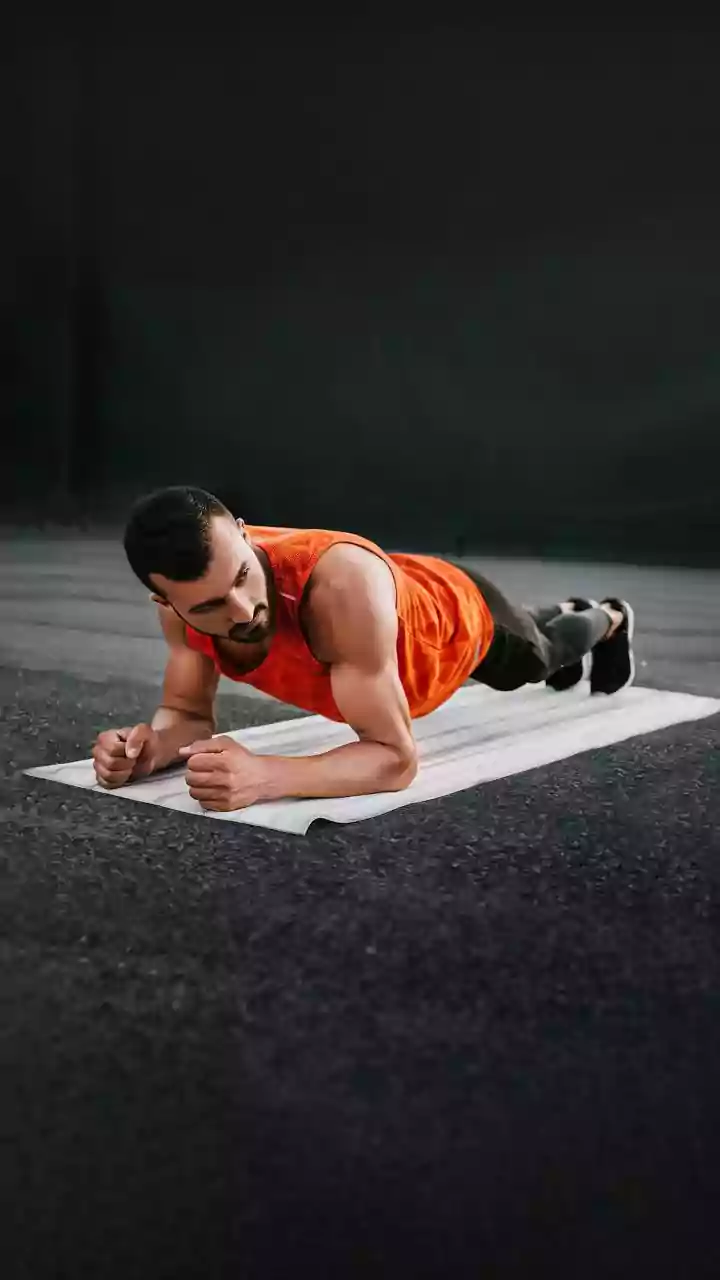
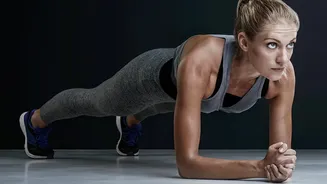
This modification turns a static hold into a dynamic stability challenge. By forcing your core to resist the urge to rotate as you shift your weight, you deepen the engagement of your abdominal and oblique muscles. To perform it, start in a high plank
position with your hands directly under your shoulders and your feet about hip-width apart. A wider stance provides more stability, so adjust as needed. Keeping your hips as still as possible, lift your right hand and tap your left shoulder. Return your right hand to the floor with control, and then repeat on the other side, tapping your right shoulder with your left hand. The key is to move slowly and deliberately, preventing your hips from swaying. This anti-rotation effort is what makes the exercise so effective for building functional core strength.
2. Side Plank with Hip Dips
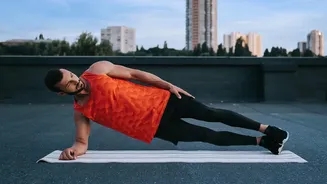
The standard side plank is fantastic for targeting the obliques—the muscles along the sides of your torso—but adding a hip dip introduces a dynamic contraction that enhances muscle engagement. Begin in a side plank position, supporting your body on your forearm with your elbow directly beneath your shoulder. Your feet can be stacked or staggered for more stability. From this straight-line position, slowly lower your bottom hip toward the floor, then use your obliques to lift it back up to the starting position, and even slightly higher. This movement takes your obliques and even your gluteus medius through a fuller range of motion, building both strength and endurance. Perform all your reps on one side before switching to the other.
3. Plank Jacks
If you want to inject a cardiovascular element into your core work, plank jacks are the perfect solution. This explosive movement gets your heart rate up while demanding serious core stability. Start in a high plank position with your hands under your shoulders and your feet together. While keeping your core braced and your upper body stable, jump your feet out wide, similar to a horizontal jumping jack, and then immediately jump them back together. The goal is to keep your back flat and prevent your hips from dropping as your legs move. This hybrid exercise not only carves your core but also strengthens your upper and lower body while burning calories, making it a highly efficient choice for a time-crunched routine.
4. Plank with Leg Raise
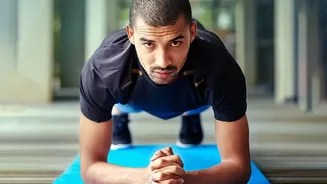
While a standard plank is primarily an abdominal exercise, adding a leg raise brings your posterior chain—specifically your glutes and lower back—into the action for a more comprehensive workout. From a high or forearm plank position, ensure your body forms a straight line from head to heels. Engage your core tightly to keep your back from arching. Slowly lift one leg straight up a few inches off the floor, keeping the leg straight and squeezing the glute of the lifted leg. Hold for a moment before lowering it back down with control, then repeat with the other leg. The challenge is to lift the leg without letting your hips rise or twist, which forces your core muscles to work harder to maintain stability.
5. Reverse Plank
Most of our daily movements are forward-facing, which can lead to muscular imbalances. The reverse plank is an excellent corrective exercise that strengthens the often-neglected posterior chain, including the glutes, hamstrings, and back muscles, while also engaging the core. To start, sit on the floor with your legs extended in front of you. Place your hands on the floor behind you, slightly wider than your shoulders, with your fingertips pointing toward your feet. Press into your hands and heels to lift your hips off the floor until your body forms a straight line from your shoulders to your heels. Squeeze your glutes and keep your core engaged to prevent your hips from sagging. This position also provides a great stretch for your chest and shoulders, which can get tight from long hours spent at a desk.