


The 'Doomsday Glacier' Explained
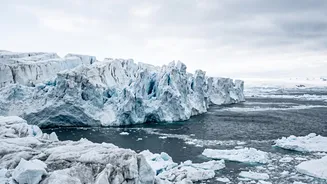
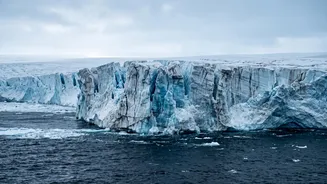
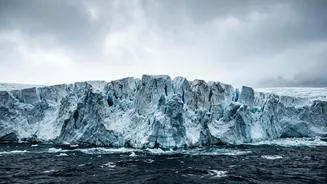
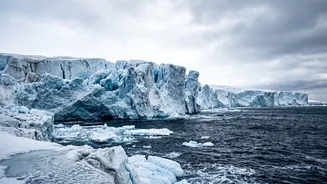
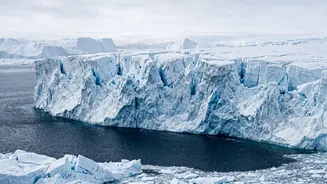
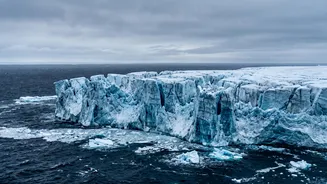
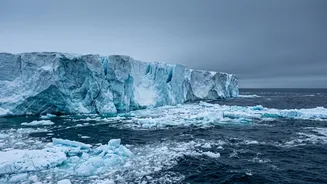
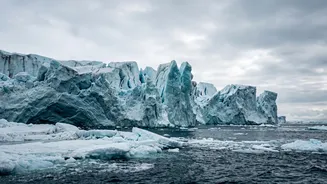
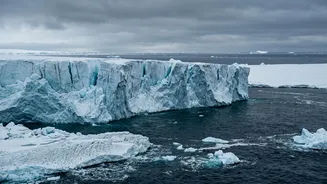
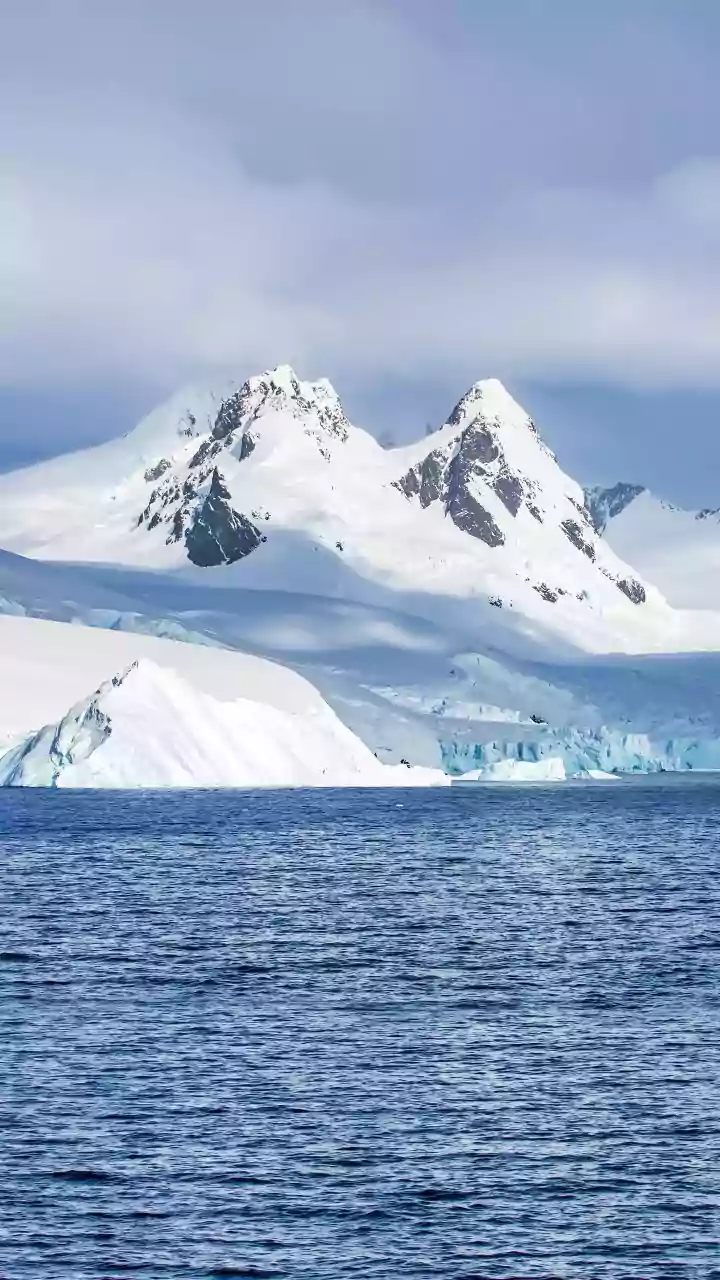
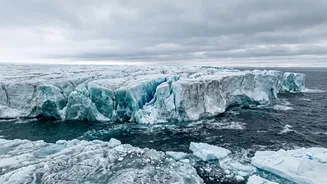
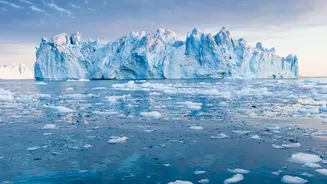
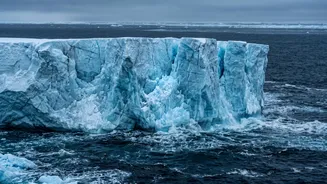
Covering an area roughly the size of Florida or Great Britain, the Thwaites Glacier is one of the largest and fastest-changing glaciers in the world. Located in West Antarctica, it has earned its stark nickname because of the catastrophic consequences
its potential collapse would trigger. If Thwaites were to melt entirely, it holds enough ice to raise global sea levels by over 65 centimetres, or more than two feet. More critically, it acts as a natural dam, or a cork, holding back the rest of the vast West Antarctic Ice Sheet. The complete collapse of this broader region could eventually lead to a sea-level rise of around 3 metres, or 10 feet, which would reshape coastlines worldwide.
A Precarious Position
The primary cause for concern is how Thwaites is melting: from the bottom up. Relatively warm ocean water is flowing underneath the glacier's floating edge, eating away at the ice from below. Unlike many other glaciers that are anchored to stable ground, much of Thwaites rests on a seabed that slopes downward as it goes further inland. This precarious geology means that as the glacier retreats, ever-deeper and thicker sections of ice are exposed to this warm ocean water, creating a dangerous feedback loop that accelerates melting. Scientists have also identified underwater ridges that currently act as 'pinning points', helping to hold the glacier in place and slow its flow into the sea. The stability of these natural brakes is a key focus of current research.
What The Latest Research Reveals
A recent study published in Nature Communications brings fresh urgency to the situation. Researchers from the University of California, Irvine, and NASA's Jet Propulsion Laboratory developed a new computer model that more accurately reflects the glacier's dynamics. Previous models treated the 'grounding line'—where the ice meets the sea—as a distinct, narrow line. The new research accounts for a much wider 'grounding zone', sometimes several kilometres wide, where warm ocean water can penetrate deep beneath the glacier. This revised model shows that Thwaites' potential contribution to sea-level rise by the year 2100 could be up to 30 millimetres (1.2 inches), which is double the amount projected by earlier models, even without any additional climate warming.
The Ripple Effect on Global Sea Levels
While 30 millimetres might not sound like much, it represents a significant acceleration from just one glacier. Thwaites already accounts for about 4% of all global sea-level rise. The new research also raises alarms about the stability of its underwater anchor points. The model indicates there is a 60% chance the glacier could become detached from a key stabilising ridge by 2100, a development that could happen as early as the late 2030s. Such an 'unpinning' event would likely cause the melting to speed up even more. This research underscores that past projections may have underestimated the pace of change, suggesting coastal communities worldwide face a greater risk of flooding than previously anticipated.
Why It Matters for India's Coastline
For a nation like India, with a vast 7,500-kilometre coastline, these developments in far-off Antarctica are of direct and critical importance. Major metropolitan hubs like Mumbai, Kolkata, and Chennai, home to millions of people and vital economic infrastructure, are situated in low-lying coastal areas. These regions are already vulnerable to the effects of rising seas, including increased flooding, coastal erosion, and saltwater intrusion into freshwater sources, which can harm agriculture. With around 250 million people living within 50 kilometres of the coast, any acceleration in global sea-level rise heightens these risks. Understanding the fate of the Thwaites Glacier is therefore not just an academic exercise; it is essential for longterm planning to protect India's coastal communities and ecosystems, such as the Sundarbans.