




More Than Just a Novelty
While it might feel strange at first, walking backwards is a legitimate exercise with a history in physical therapy and athletic training. Known as retro-walking, this practice is used to rehabilitate injuries and improve performance because it changes
our typical movement patterns. When we walk forward, our bodies are on autopilot, relying on the same muscles and neural pathways. By simply reversing direction, we force the brain and body to pay closer attention, engaging different systems to maintain balance and control. This isn't a new social media fad; it has roots in traditional exercises and has been studied by kinesiologists for its unique benefits.
A Boost for Your Brain and Balance
The most significant benefit of walking backward is the challenge it poses to your coordination and proprioception—your body's awareness of itself in space. Since you can't see where you're going, your brain must work harder, relying on other sensory systems to stay upright and navigate. This increased mental engagement can enhance cognitive functions like spatial awareness, focus, and even short-term memory. Studies have shown that backward walking increases activity in the prefrontal cortex, the part of the brain linked to problem-solving and decision-making. For this reason, it is often recommended for improving balance and stability, which can help reduce the risk of falls, particularly in older adults.
Strengthening Underused Muscles
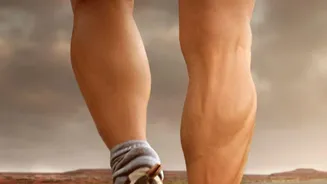
Forward walking primarily relies on your hamstrings. Retro-walking shifts the workload, activating different muscle groups. It places a greater emphasis on the quadriceps, the large muscles at the front of your thighs. This helps build strength that supports knee stability. Additionally, backward movement engages the calves, glutes, and even core muscles differently, helping to correct muscular imbalances that can develop from repetitive forward motion. Because it's a low-impact activity, it's often recommended for individuals with knee pain, such as from osteoarthritis, as it places less stress on the knee joints compared to forward walking.
How to Get Started Safely
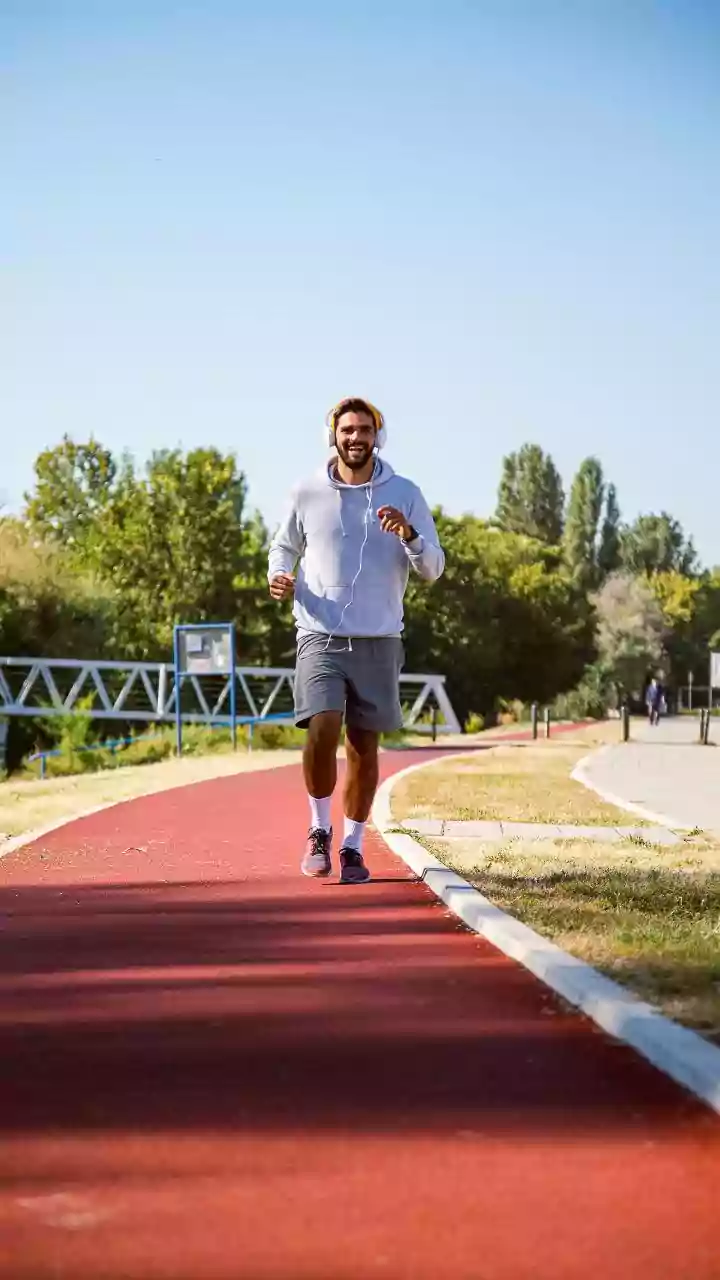
Safety is paramount when trying this exercise. Since you can't see behind you, the risk of tripping or bumping into objects is high. It is best to start in a controlled, obstacle-free environment. A treadmill is an excellent option for beginners, as you can hold onto the handrails for support and maintain a steady pace. Start at a very slow speed. If you're outdoors, choose a flat, open area like an empty running track or a park, and consider having a friend act as a spotter. Focus on your form: land on your toes and roll back to your heel, keeping your back straight. Avoid crowded areas and distractions.
Integrating It Into Your Routine
You don't need to replace your entire walking workout with backward steps. Instead, think of it as a supplement. A good starting point is to incorporate five to ten minutes of retro-walking as a warm-up or cool-down for your regular walk. You can alternate, for instance, walking forward for four minutes and backward for one minute, and repeating the cycle. As you become more comfortable and your balance improves, you can gradually increase the duration or try it on a slight incline to increase the intensity. Even a few sessions a week can yield benefits for your coordination, muscle strength, and cognitive engagement.