








A Sweet Menu in Zero Gravity
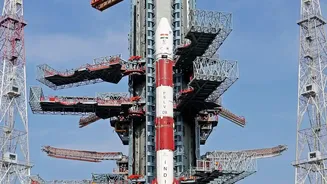
Imagine floating 400 kilometres above Earth, the planet a blue marble below, and being served dessert. Not just any dessert, but classic Indian sweets. On his historic Axiom-4 mission in 2025, astronaut Shubhanshu Shukla brought three very specific, space-certified
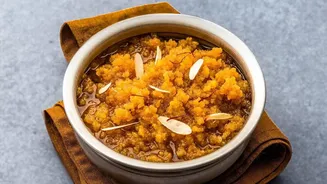
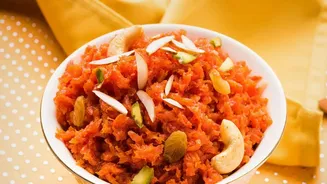
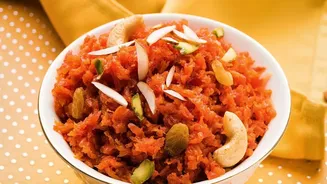
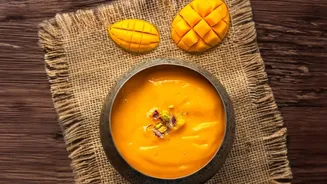
Indian foods with him: Gajar Ka Halwa, Moong Dal Ka Halwa, and Amras. This wasn't a personal request packed from a home kitchen; it was the result of a concerted scientific effort by India to bring its culinary heritage to the final frontier. These dishes represented a small but significant piece of India, offering a sweet taste of the subcontinent to an international crew and marking a milestone for the nation's space programme.
The Science Behind Space Food
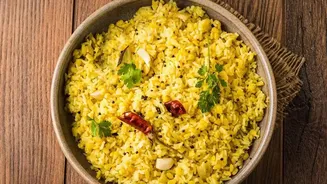
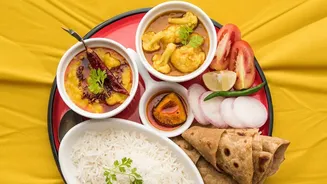
One might wonder, with India's vast culinary landscape, why only three dishes—all of them sweet—made the journey. The answer lies in the incredibly rigorous process of certifying food for spaceflight. The Mysuru-based Defence Food Research Laboratory (DFRL), a lab under the DRDO, has been developing a much larger menu for India's upcoming Gaganyaan mission, including favourites like khichdi and biryani. However, getting food ready for space is a monumental task. Each item must be nutritious, have a long shelf life without refrigeration, produce minimal crumbs that could damage equipment in zero gravity, and withstand the intense vibrations of a rocket launch. According to Shukla, the time constraints before his mission were the biggest hurdle. While DFRL had a wide range of dishes in development, only the three halwas and the amras completed the exhaustive qualification and testing process in time.
A Hit With the International Crew
The story takes a charming turn once the food reached orbit. In an act of cultural diplomacy, Shukla chose to share all three of the precious Indian dishes with his international crewmates aboard the ISS. The gesture was a resounding success. His fellow astronauts reportedly loved the unique flavours, diving into the rich halwas and sweet mango nectar with enthusiasm. The reception was so positive, in fact, that a delightful irony emerged: Shukla himself didn't get to eat any of the Indian food he brought. The dishes were finished by his appreciative crewmates before he could get a bite. Far from being disappointed, Shukla expressed his happiness in sharing a piece of his culture. He recounted the experience on a podcast, noting, "What better way to be in space than sharing food?"
An Unexpected Craving for Home
Despite carrying a taste of India, life in microgravity plays tricks on the senses. The fluid shift in an astronaut's body can dull the sense of taste and smell, similar to having a head cold. Coupled with the typically low-sodium diet provided to maintain health on long-duration missions, astronauts often crave stronger, more intense flavours. Shukla was no exception. Around two weeks into his mission, he found himself missing familiar Indian tastes, specifically the salty and spicy notes prevalent in so many of the nation's savoury dishes. He even called his flight surgeon from orbit to ask if he could get something salty. The craving was finally satisfied upon his return to Earth, when his Indian flight surgeon greeted him with two simple, treasured snacks: banana chips and bhakarwadi.
Valuable Lessons for Gaganyaan
While a story about halwa in space is delightful on its own, Shukla's mission served a larger purpose. The entire experience—from the selection and certification process by DFRL to the astronaut's own feedback on cravings—provides invaluable data for India's ambitious Gaganyaan human spaceflight programme. The challenges faced in getting more dishes certified highlighted the need for longer lead times in food preparation for future missions. Understanding the physiological and psychological impact of food in space, including the craving for familiar spicy and savoury flavours, will directly inform the menu being developed for India's own astronauts. Shukla's flight was, in essence, a trial run that will help ensure future Indian space explorers have an even wider and more satisfying array of 'home food' available to them as they live and work in orbit.