


The Challenge: A Petrol Pump in the Sky
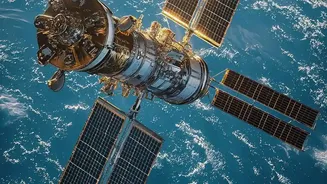
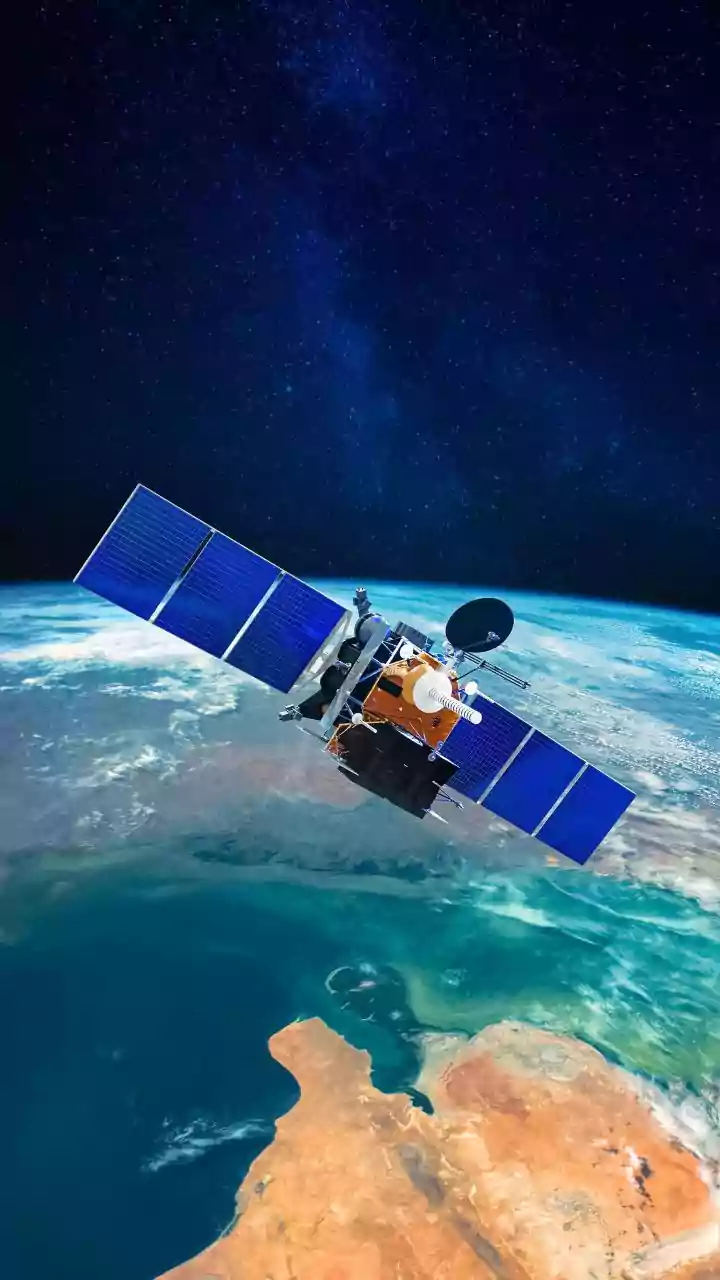
Imagine trying to drive across the country on a single tank of fuel. That's the fundamental challenge for nearly every satellite and spacecraft ever launched. They are limited by the amount of propellant they can carry from Earth. Once the fuel runs out,
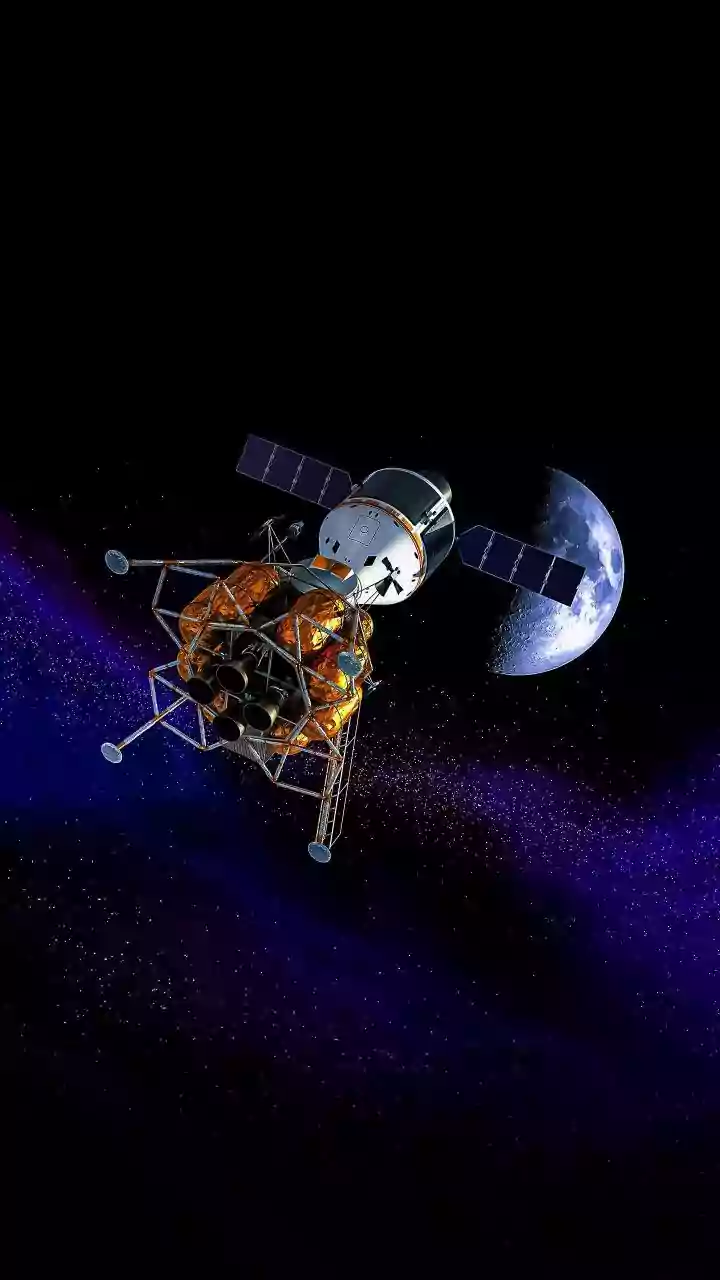
their mission is effectively over, even if their other systems are perfectly healthy. This is why the concept of in-space refuelling is a game-changer. Developing the ability to dock two spacecraft in orbit and transfer fuel is like building the first petrol pump in the sky. It unlocks the potential for much longer missions, allows spacecraft to perform more manoeuvres, and fundamentally changes the economics of space operations. For an ambitious space program, it is not just a useful technology; it is an essential one.
India's Milestone: The SPADEX Mission
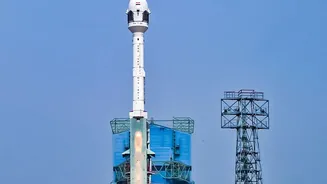
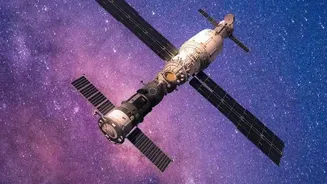
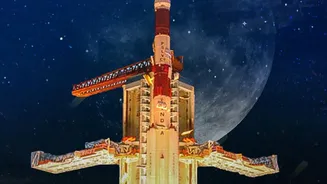
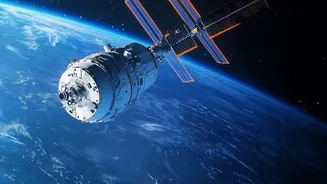
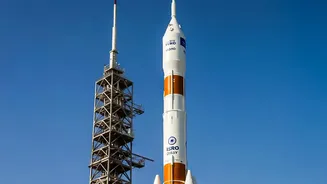
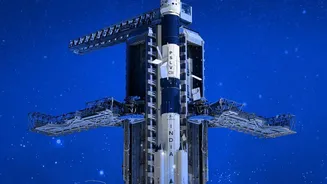
The Indian Space Research Organisation (ISRO) has taken a monumental step toward this capability with its Space Docking Experiment, or SPADEX. The mission demonstrated the technologies needed for two spacecraft to autonomously rendezvous, dock, and even transfer power between them in orbit. Launched aboard a PSLV rocket, the experiment involved two small satellites—a 'chaser' and a 'target'. These spacecraft successfully performed the delicate and precise manoeuvres required to approach each other and physically connect in the vacuum of space. While this initial test focused on docking and power transfer, it serves as the crucial foundation for a full-fledged refuelling system. Mastering this orbital dance proves that India has the technical prowess to perform the complex tasks necessary for building and maintaining larger structures in space.
Fueling the Bharatiya Antariksh Station
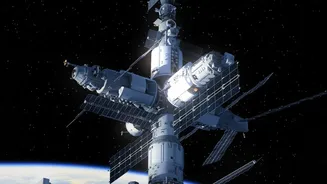
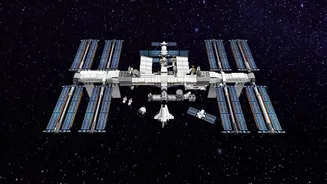
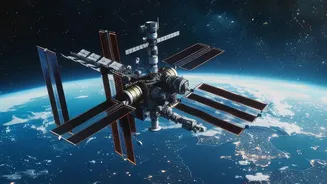
This tested concept is directly linked to one of India's most ambitious projects: the Bharatiya Antariksh Station (BAS). Planned to be operational by 2035, this orbiting outpost will be India's home in space for astronauts to live and conduct research. However, a space station is not a 'fire-and-forget' asset. It constantly needs to fire its thrusters to maintain its altitude and avoid orbital debris. Without the ability to refuel, the station's operational life would be severely limited. In-space refuelling is a stated technology goal for the BAS. The capabilities demonstrated by missions like SPADEX are building blocks that will allow ISRO to send up tanker spacecraft to dock with the BAS, replenish its fuel, and extend its life indefinitely. This ensures the multi-crore investment in the station will be a sustainable, long-term national asset.
Beyond the Station: A New Era for Indian Spaceflight
The implications of mastering space refuelling extend far beyond the space station. This capability is a cornerstone for future long-duration missions, including extended human spaceflights under the Gaganyaan program and ambitious interplanetary journeys. For instance, a mission to Mars could be assembled and fuelled in Earth orbit before beginning its long voyage, allowing for a much larger and more capable spacecraft than could be launched on a single rocket. By developing this technology, India joins an elite club of spacefaring nations capable of advanced, in-orbit servicing. It transforms satellites from disposable items into serviceable assets and paves the way for a more sustainable and robust space economy. This successful test is not just an engineering victory; it's a strategic enabler that ensures India's journey into the cosmos is just getting started.