





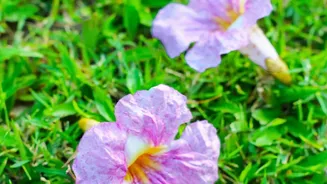
A Spectacle Twelve Years in the Making
The Neelakurinji, or Strobilanthes kunthiana, is not just any flower. It’s a natural clock, a patient performer that takes 12 years to prepare for a single, glorious act. This monocarpic shrub grows in the high-altitude shola grasslands of the Western
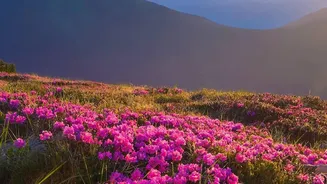
Ghats, a UNESCO World Heritage site. For more than a decade, it quietly gathers strength. Then, in a synchronised spectacle, entire hillsides erupt in a sea of violet-blue blossoms. After this mass flowering, the plant dies, leaving behind seeds for the next generation, destined to repeat the cycle. This rare event is so profound that the Nilgiri Hills, meaning 'Blue Mountains', are believed to have been named after this very phenomenon. It's a breathtaking display that has captivated people for centuries, with the local Paliyan tribe even using the blooms to mark their age.
More Than Just a Pretty Flower
The bloom’s significance runs deeper than its visual appeal. Ecologically, it is a cornerstone event for the shola ecosystem. The mass flowering provides a sudden, abundant source of nectar for pollinators like bees and butterflies, playing a crucial role in the region's biodiversity. The subsequent death of the parent plants enriches the soil, helping to regenerate the grasslands. Because its health is so tied to its environment, the Neelakurinji is considered an indicator species—its presence and successful blooming reflect the well-being of this fragile mountain habitat. Its survival is linked to the health of the entire ecosystem, from the endangered Nilgiri Tahr that roams these hills to the countless insects that depend on its lifecycle.
The Lessons of 2018
The last major bloom in 2018 was a double-edged sword. While authorities anticipated over 800,000 visitors, severe floods in Kerala that year drastically reduced the numbers. Still, the hundreds of thousands who did arrive highlighted the immense pressure tourism exerts on Munnar. Unregulated visitor traffic led to trampled flowers, waste accumulation, and significant habitat disturbance. The event provided a vital economic boost to the local community, but it also served as a stark warning. The infrastructure struggled to cope, and the delicate balance of the ecosystem was put under immense strain. The experience underscored the urgent need for a sustainable tourism model that could manage the massive influx of people without sacrificing the very treasure they come to see.
What Matters Most Right Now
Today, in September 2026, the threats to the Neelakurinji are more acute than ever. Habitat loss is the primary danger. Large swathes of shola grasslands have been lost to tea plantations, agriculture, and infrastructure development. Reports indicate that nearly 40% of the plant's original habitat is already gone. Invasive species like eucalyptus and wattle are also encroaching on its territory. In April 2026, the Jawaharlal Nehru Tropical Botanic Garden and Research Institute submitted a report to the National Green Tribunal highlighting these very threats and calling for an action plan. This led the IUCN to officially classify the species as 'Vulnerable'. Furthermore, while a major bloom is expected in 2030, a different population of Neelakurinji is currently flowering in parts of Munnar, attracting tourists and reminding authorities of the constant need for vigilance. Incidents of visitors plucking the protected flowers have already led to legal action by the Forest Department.
The Path to 2030
With the next grand bloom in the main Eravikulam National Park population just four years away, the race is on to ensure its protection. Conservation efforts are intensifying. The Kurinjimala Sanctuary, established in 2006, was a landmark step to protect 32 square kilometres of the flower's core habitat. Following recent assessments, there are renewed calls for a species-specific conservation plan. This includes restoring degraded grasslands, managing invasive species, and implementing strict tourism regulations based on the area's carrying capacity. The goal is to create designated pathways, enforce rules to prevent trampling, and educate visitors about their role in conservation. The fate of the 2030 bloom depends heavily on the actions taken now to balance tourism with ecological preservation.