


A System Grinds to a Halt
On Friday, November 13, 2026, the Federal Aviation Administration (FAA), the authority governing US airspace, took the rare and drastic step of ordering all departing flights to remain on the ground. The decision was prompted by what was initially described
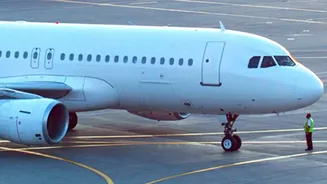
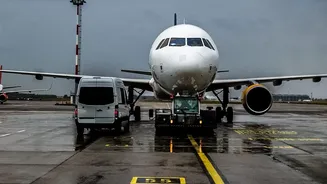
as a 'telecommunication outage' that compromised the stability of communications and radar systems at air traffic control centres across the country. For more than four hours, thousands of flights were unable to take off, while over 3,000 aircraft already in the air were safely guided to their destinations. The result was widespread disruption, with over 12,000 flight cancellations and thousands more delays rippling through the system over the following days.
The Likely Culprit: A Single Router
In the aftermath, the investigation quickly zeroed in on a surprising potential cause: a humble but critical piece of network hardware. Preliminary findings from the FAA point to a newly installed router at a facility in El Dorado, Arkansas, as the origin of the problem. This router was being installed by a contractor, L3Harris, as part of a routine but vital project to upgrade the FAA's network from old copper wiring to modern fiber-optic cables. Officials believe that either due to faulty equipment or an error during installation, the router began to flood the FAA's private network with an overwhelming amount of data — about 1,000 connection attempts every four to five seconds. This digital deluge overloaded other routers in the system, causing instability in radar feeds and communication lines at 17 of the nation's 22 regional air traffic control centres.
Was It a Cyberattack?
In today's climate, any major infrastructure failure immediately raises concerns about a potential cyberattack. However, officials have been quick to dismiss this possibility. Homeland Security Secretary Markwayne Mullin and other senior officials have stated there is 'no indication' that the event was caused by a malicious actor or was a threat to the United States. The focus of the investigation remains squarely on whether the failure was due to contractor error, a defective piece of equipment, or a configuration issue. The incident bears a striking resemblance to a smaller-scale event in 2009, when another router issue also caused significant flight delays, highlighting the long-standing fragility of the system.
The High Cost of Aging Infrastructure
The shutdown has thrown a harsh spotlight on the age and vulnerability of America's critical aviation infrastructure. US Transportation Secretary Sean Duffy described the air traffic control system as 'incredibly old'. Reports have previously warned that much of the FAA's technology is decades old, with some systems dating back to the 1980s. This reliance on legacy equipment makes upgrades both essential and risky, as new technology must be carefully integrated with older components. The November 13 event demonstrates how a single point of failure during such an upgrade can have catastrophic, cascading consequences. Following the incident, officials have renewed calls for significant congressional funding to complete a full overhaul of the entire air traffic control network to prevent future meltdowns.
Global Ripple Effects and What Comes Next
While the ground stop was a US domestic issue, its impact was felt globally. Flights from Europe to the US were suspended, and the thousands of cancellations and delays created a logistical nightmare for international travelers and airlines trying to reposition aircraft and crews. The FAA has since stabilized the network by isolating the problematic router and disabling similar functions on dozens of other devices as a precaution. Normal flight operations were expected to be fully restored by the end of the weekend. However, the investigation continues, with the specific router sent for testing. The key question for investigators now is to determine the precise root cause to ensure such a widespread and costly disruption does not happen again.