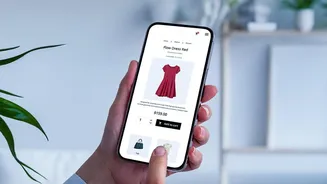









The All-Important Return Policy
The single most important policy to check is for returns. A great gift for you might not be a great fit for your recipient. Look for the return window—the number of days a customer has to initiate a return. Many stores offer 30 days, but this can vary.
During the holidays, some retailers offer extended return periods, but you must verify the specifics. Also, check the required condition for a return. Most sellers require items to be unused, in their original packaging, and with tags attached. Finally, find out who pays for return shipping. A “free returns” policy is ideal, but some sellers require the customer to cover that cost, which can be significant for heavy items.
Shipping Deadlines and Costs
During the festive rush, shipping is everything. Retailers and carriers publish holiday shipping deadlines, which are the last days to order for a package to likely arrive by a major holiday like Christmas. These dates are not absolute guarantees, as weather or carrier delays can still happen, so it's wise to order a few days in advance for a buffer. Look for a clear table or FAQ on the seller's site that outlines shipping cutoffs for different destinations and shipping speeds (standard, expedited, overnight). Be transparent about costs; while many shoppers expect free shipping, it might only apply above a certain order value or for standard speed. Make sure you factor in both the shipping cost and the delivery timeline before finalizing your purchase.
Beware of Hidden Restocking Fees
Even with a return policy, you might not get all your money back. Some sellers charge a restocking fee, which is a percentage of the item's price deducted from your refund. This fee is meant to cover the cost of inspecting, repackaging, and processing the returned item so it can be sold again. These fees typically range from 10% to 25% and are common for products like electronics. A seller must disclose this fee clearly in their return policy before you make a purchase. If an item is returned because it's defective or damaged, a restocking fee should not apply. Always read the fine print for mentions of this fee, as it can be an unwelcome surprise that reduces your refund significantly.
Customer Service Accessibility
When a problem arises with your order, the last thing you want is to discover there's no way to contact the seller. Before buying, check the website’s “Contact Us” page. Look for multiple points of contact, such as an email address, a customer service phone number, and a live chat option. A robust and easy-to-find contact page signals that the company is prepared to handle issues. A simple contact form with no other options can be a red flag. Think of it as a pre-purchase check; if it’s hard to find out how to ask a question before you buy, it will likely be even harder to get help after they have your money. A clear policy and accessible support build trust.
Exclusions and 'Final Sale' Items
Not every item is eligible for a return. It's common for sellers to exclude certain products from their standard return policy. Items marked as “final sale” cannot be returned or exchanged for any reason other than being defective. Other common exclusions include personalized or custom-made goods, perishable items, and certain hygiene products. These policies must be clearly stated on the product page or at checkout. It’s easy to miss these disclaimers when you're in a hurry to grab a deal. Before adding that customized necklace or clearance sweater to your cart, double-check that it’s not a final sale item, or be absolutely certain it's the right gift.